





Related news: Electrified Vehicles Sales Jump
Which States are Best for Buying EVs?
A new ranking index considers regulations and obstacles consumers face state-by-state in purchasing electric vehicles.
June 22, 2021
David Clement, North American Affairs Manager for the DC based Consumer Choice Center and co-author of the index, said, "State governments need to get out of the way if they are going to join the EV revolution."
Photo: Consumer Choice Center
2 min to read
The Consumer Choice Center on June 22 released the US Electric Vehicle Accessibility Index, which evaluates how consumer friendly each state is for purchasing an electric vehicle.
President Biden’s administration has prioritized preparing the country for the electric vehicle revolution by earmarking $174 billion for transportation electrification. However, this notable investment may fall short due to harsh state regulations banning direct-to-consumer sales and disproportionate licensing fees for electric vehicles.
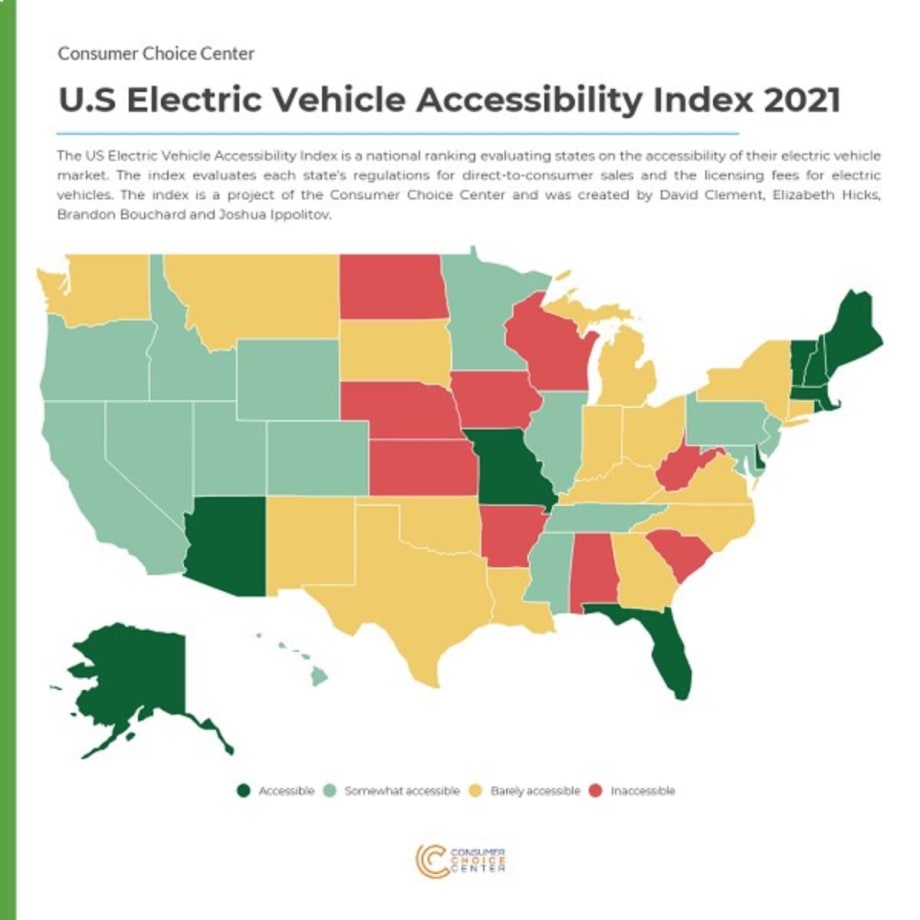
The Electric Vehicle Accessibility Index is calculated by scoring each state's regulatory structure for direct sales to consumers, and EV licensing fees.
State by State ResultsStates with a score (15) of accessible are: Alaska, Arizona, Delaware, Florida, Maine, Massachusetts, Missouri, New Hampshire, Rhode Island and Vermont.
States with a score (10) of partially accessible are: California, Colorado, Hawaii, Idaho, Illinois, Maryland, Minnesota, Mississippi, Nevada, New Jersey, Oregon, Pennsylvania, Tennessee, Utah, and Wyoming.
States with a score (5) of limited accessibility are: Connecticut, Georgia, Indiana, Kentucky, Louisiana, Michigan, Montana, New Mexico, New York, North Carolina, Ohio, Oklahoma, South Dakota, Texas, Virginia, and Washington.
States with a score (0) of inaccessible are: Alabama, Arkansas, Iowa, Kansas, Nebraska, North Dakota, South Carolina, West Virginia, and Wisconsin.
CommentsDavid Clement, North American Affairs Manager for the DC based Consumer Choice Center and co-author of the index, said, "State governments need to get out of the way if they are going to join the EV revolution. States that ban direct-to-consumer vehicle sales are actively discriminating against EV manufacturers, which does nothing but make these vehicles more expensive, and less accessible. In today's modern age of limitless information, there is no serious justification for a ban on direct sales, other than protecting the existing industry from disruption and competition."
US Affairs Analyst, and index co-author, Elizabeth Hicks, commented, “On top of that, forcing consumers to pay higher licensing and registration fees for EVs only discourages them from making the greener choice. Higher licensing fees for electric vehicles are in place in 28 states and were put into place as a result of less revenue being generated from gas taxes. Rather than actively discouraging consumers from purchasing EVs with inflated fees, states should remain neutral and simply treat EVs like they would any other standard passenger vehicle.”
Clement added, “It is clear consumers want more access to electric vehicles. Therefore legislation should make the purchase and ownership of them as convenient as possible, and we urge legislators to put forth better policies that will reduce the significant barriers preventing consumers from fully accessing EVs.”
The full report, including methodology, can be viewed here.
Originally posted on Charged Fleet
More Green Fleet
Sponsored•October 1, 2026
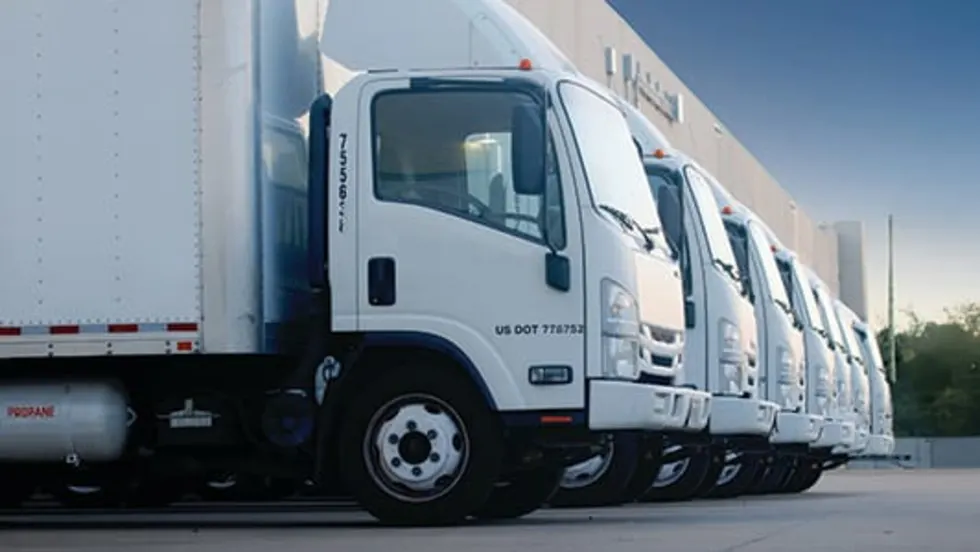
New Propane Autogas Program Offers Fleet Compensation
Qualified commercial fleets can receive $7,500 per eligible propane autogas vehicle and up to $10,000 for new refueling site prep. Learn how the program works and see whether your fleet qualifies.
Read More →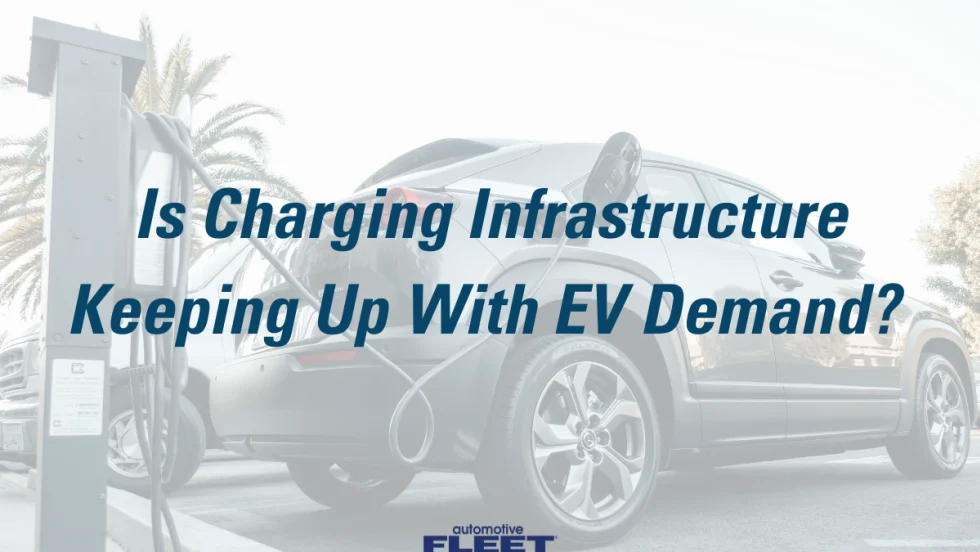
EV Charging Use Is Outpacing Infrastructure Growth
ChargePoint’s 2026 Charging Forward Report points to rising charger use, higher-powered charging, commercial vehicle electrification, and energy-management technology. Here’s what fleets should know.
Read More →
Merchants Fleet Reports 290M EV Miles as Fleets Navigate Changing Electrification Market
From millions in operating savings to hundreds of millions of EV miles, Merchants Fleet’s latest report reveals what’s working and what’s changing in fleet electrification.
Read More →
The EV Breakdown Nobody's Talking About: Why Most Electric Vehicle Roadside Calls Aren't Mechanical Failures
Here's why EV breakdowns are widely misunderstood.
Read More →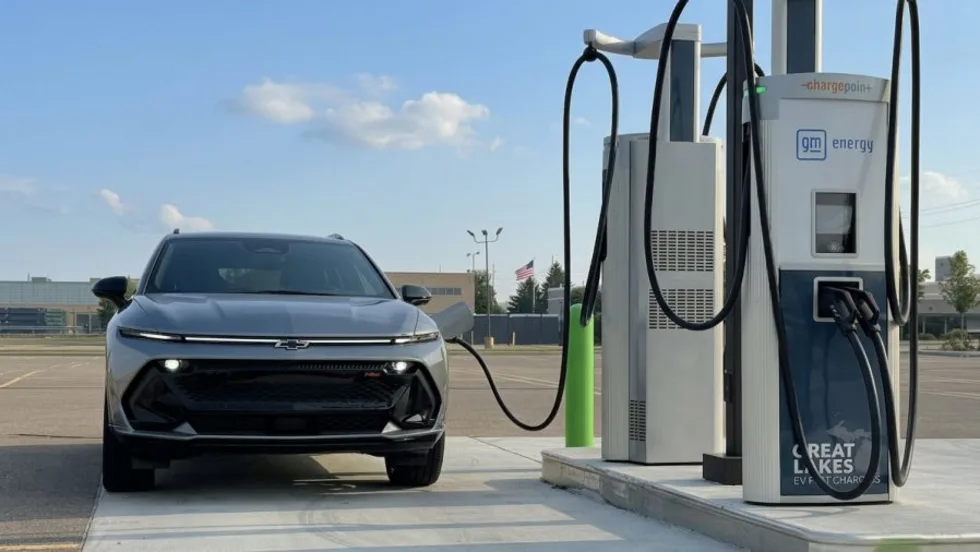
ChargePoint Now Available in Energy Pass
ChargePoint and additional planned charging network integrations were added to GM's Energy Pass.
Read More →
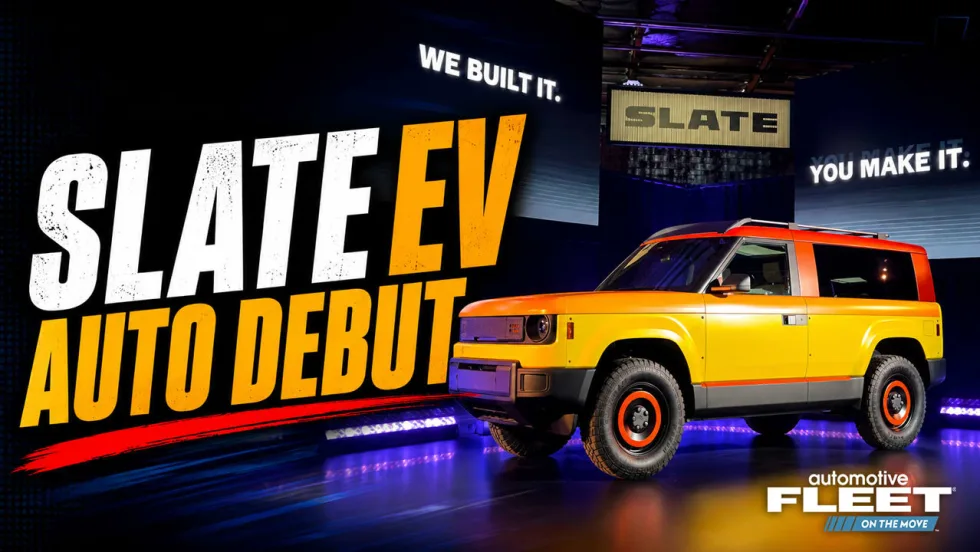
First Look: Slate Auto's Electric Fleet Pickup
Could an affordable, modular EV pickup make electrification more practical for fleets?
Read More →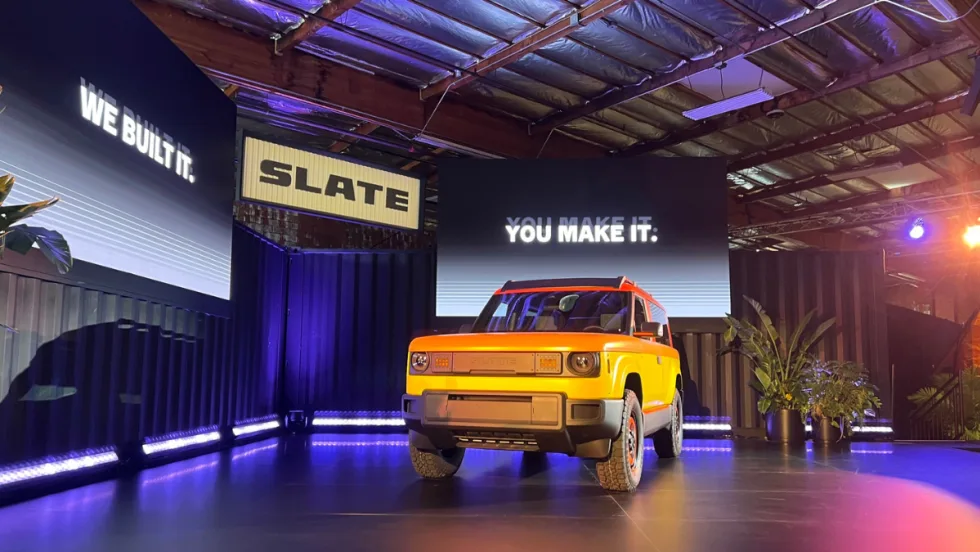
Slate Debuts Colorful, Unique EV Models
A recent media and client event, studded with electric vehicles dressed up on platforms, planted a new position for the manufacturer in the wider EV market. Fleets will find cost-saving advantages.
Read More →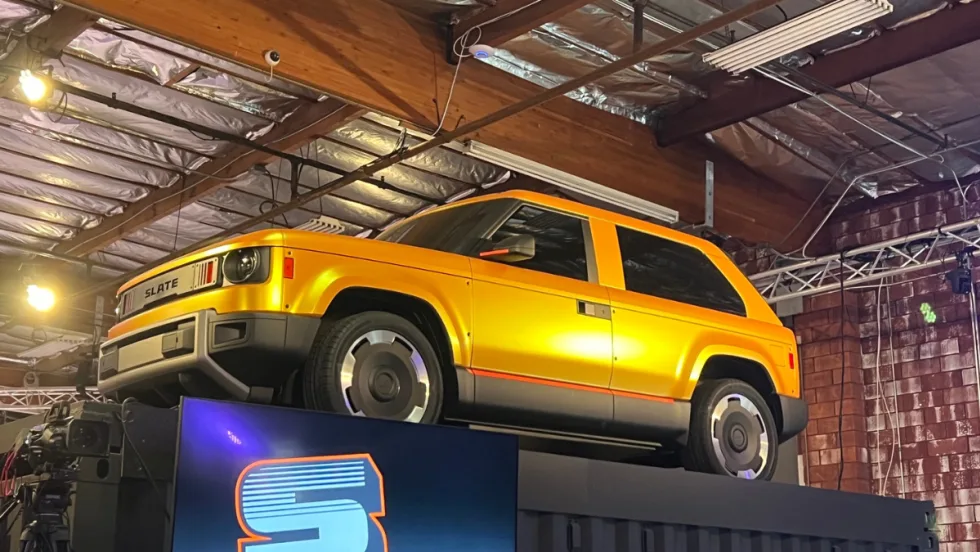
Slate Electric SUV, Pickup Switchable Model Aims For Light-Duty Fleets
Everything about this EV is counterintuitive and understated, making it stand out from the crowd.
Read More →
Inspiration Mobility Acquires Key Electrada Assets
Inspiration Mobility Group has acquired select assets of Electrada, adding the fleet electrification provider's team, technology, and charging infrastructure development capabilities to its energy management business.
Read More →