




Verizon Adds CNG-Fueled Ford Cargo Vans
DEARBORN, MI - Verizon said it expects to save 1.62 metric tons of CO2 each year by adding 501 Ford E-250 cargo vans upfitted with clean-burning compressed natural gas (CNG) engine packages versus conventional gas models.
DEARBORN, MI - Verizon said it expects to save 1.62 metric tons of CO2 each year by adding 501 Ford E-250 cargo vans upfitted with clean-burning compressed natural gas (CNG) engine packages versus conventional gas models.
Verizon's purchase and upfitting of the 2010 Ford E-250 vans is part of the company's broader effort to conserve energy, reduce greenhouse gas emissions and contribute to improved air quality in the communities it serves, said Ken McKenney, sustainable fleet-technical engineering lead for Verizon.
"Verizon's fleet team is constantly on the watch for new, lower-carbon technology," McKenney said. "CNG is a leading alternative fuel choice right now, so converting these cargo vans to run on the cleaner-burning fuel helps us cut CO2 emissions and fuel consumption. We will continue to find ways to increase the efficiency of our fleet."
Cargo vans represent the single largest group of vehicles in Verizon's vehicle fleet. They are primarily used by technicians who install and maintain phones and FiOS TV and Internet services for homes and businesses. The CNG-equipped Ford E-250 vans will be used in key Verizon markets throughout the country that have retail infrastructures in place for fueling.
The vehicles are being converted to CNG by BAF, a wholly owned subsidiary of Clean Energy Fuels Corp.
"Verizon's deployment of natural gas-fueled vehicles sets a powerful example for fleet operators across America to emulate," said John Bacon, president of BAF. "Use of natural gas for fleets is a trend that is rapidly gaining momentum in many U.S. industry sectors. Because it is abundant and renewable, and cleaner and cheaper than gasoline or diesel fuel, natural gas can carry us forward to a sustainable future."
The BAF CNG vehicle upfits for Verizon will be completed at Steelweld Equipment Co. in Hemet, Calif., and Temple, Texas, and at North American Equipment Upfitters in Hooksett, N.H.
Both Steelweld and North American Equipment Upfitters are women-owned businesses and participants in Verizon's supplier diversity program. Verizon purchased the vans from Ukiah Ford in Ukiah, Calif., a minority-owned business.
Verizon's sustainability program is multifaceted. In addition to replacing more than 1,100 traditional fuel vehicles with cleaner, lower-carbon alternatives and increasing its use of biodiesel and flex-fuel (E85) to power 470 vehicles, Verizon employees have been reducing CO2 emissions by cutting engine idle times. Since 2008, drivers of Verizon vehicles have conserved more than 2.7 million gallons of fuel, the equivalent amount of greenhouse gases emitted by about 4,580 vehicles annually.
The company also recently added 576 Chevrolet Silverado Hybrids to its fleet.
More Fuel

Turning Fleet Payment Data into Executive Insights
Ramel Lindsay of U.S. Bank Voyager discusses how fleets can transform payment and transaction data into actionable intelligence to reduce costs, improve oversight, and support executive decision-making.
Read More →
Why the IRS Raised Its Mileage Rate in the Middle of 2026
Fuel-price volatility drove the rare increase to 76 cents per mile, the fifth midyear adjustment since 2000.
Read More →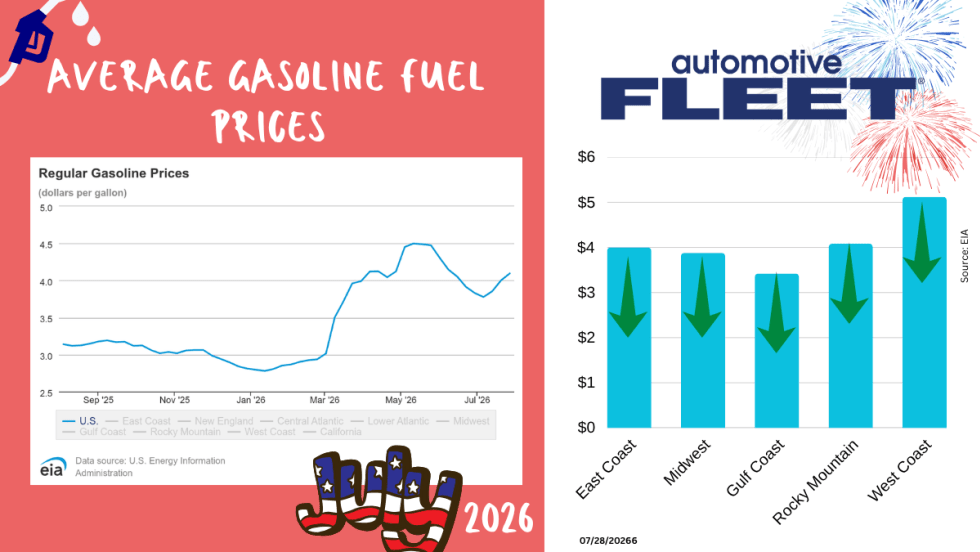
July Fuel Update: Prices Keep Rising in Light of More Conflict
Gas prices continue to rise as more and more conflicts do, too.
Read More →
Bob Adamsky on Fuel Volatility: "Don't Panic, Have a Plan."
When it comes to up and down fuel prices, Adamsky has a message for fleets: “Don’t panic.”
Read More →
How Fleets Can Gain Control of Non-Fuel Spend
Fuel often gets the spotlight, but non-fuel expenses can have a major impact on fleet costs. Ramel Lindsay of U.S. Bank Voyager discusses how fleets can gain better visibility and control over these often-overlooked expenditures.
Read More →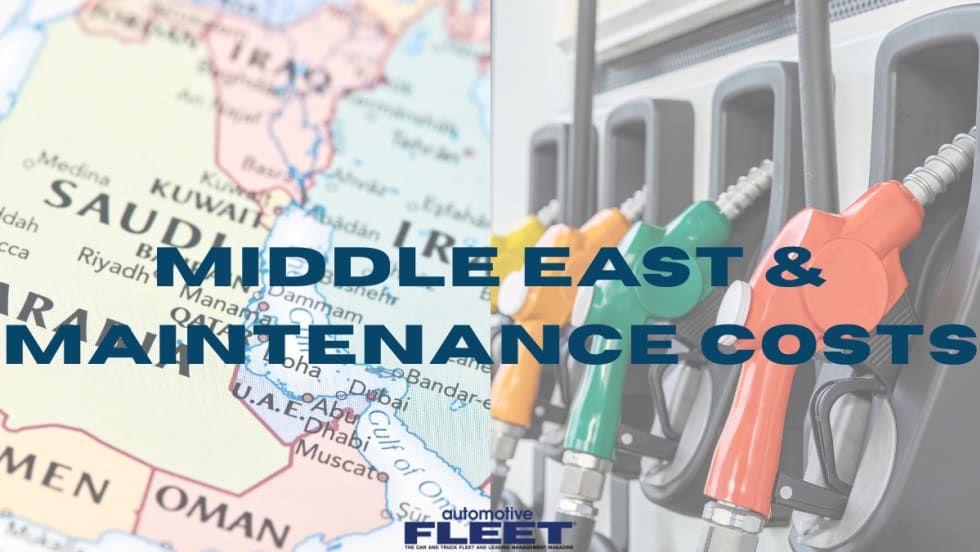
Fuel is Just the Start: How Middle East Tensions are Driving Up Fleet Maintenance Costs
The Middle East conflict is doing more than pushing up fuel prices. It’s also raising the cost of key maintenance products your fleet depends on, from motor oil to tires to windshield wipers. Here’s what you need to know about this budget-busting situation.
Read More →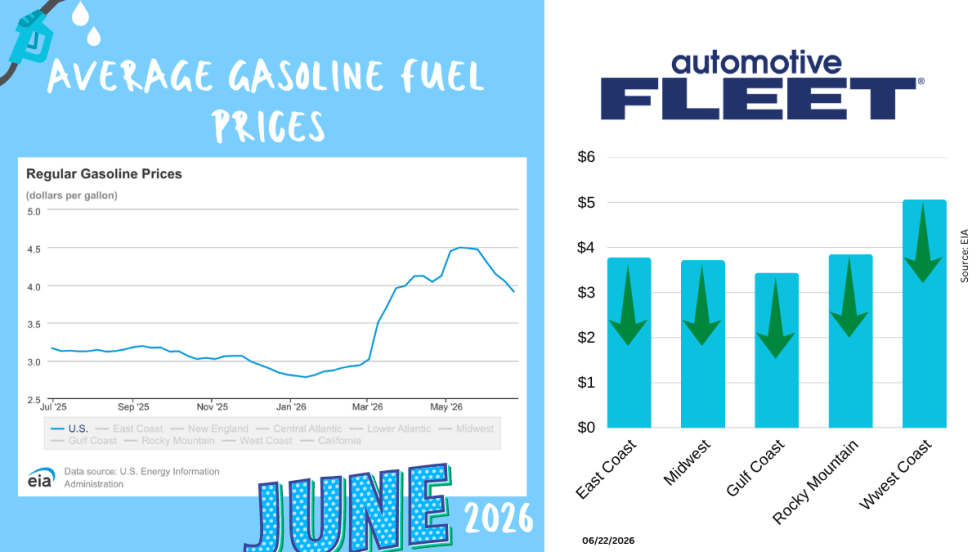
June Fuel Update: Prices Fall Below $4
Drivers are finally getting some relief at the pump. The national average gas price has dropped below $4 a gallon for the first time in months, with prices falling in 47 states as oil markets react to developments in U.S.-Iran negotiations.
Read More →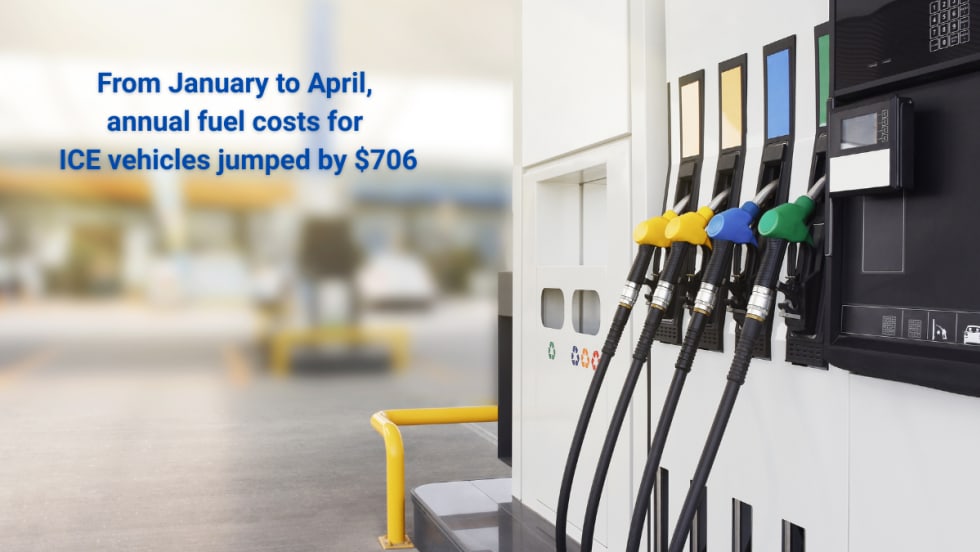
Study: How 2026's Gas Price Hikes Affect Different Vehicle Types
New data from iSeeCars reveals how rising fuel costs have affected different vehicle segments as gasoline prices climbed nearly 46% over the past four months.
Read More →
Are You Tracking Your Fleet's True Total Cost of Ownership?
Bobit Business Media surveyed 190 fleet professionals and found that while most fleets are tracking costs, fragmented systems and data gaps are keeping true TCO visibility out of reach. With rising pressure to control spend in an increasingly volatile environment, the gap between what fleets think they know and what the data actually shows is wider than you might expect. See how your peers are managing costs today and where the industry still has room to improve.
Read More →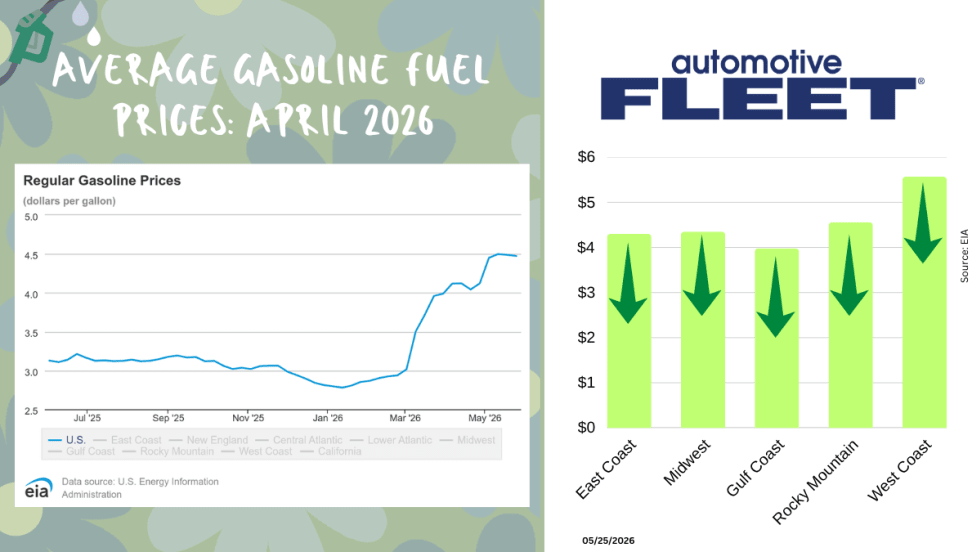
May Fuel Update: All Regions Experience Declines
Gas prices are finally easing in much of the country, but experts warn global tensions could quickly reverse the trend as the national average remains well above last month’s levels.
Read More →