




Verenium Announces Cellulosic Ethanol Project in Florida
CAMBRIDGE, MA --- Verenium Corp., a pioneer in the development of next-generation cellulosic ethanol and high-performance specialty enzymes, announced plans to build its first commercial-scale cellulosic ethanol facility in Highlands County, FL.
CAMBRIDGE, MA --- Verenium Corp., a pioneer in the development of next-generation cellulosic ethanol and high-performance specialty enzymes, announced plans to build its first commercial-scale cellulosic ethanol facility in Highlands County, FL.
The company has entered into long-term agreements with Lykes Bros. Inc., a Florida agri-business, to provide the agricultural biomass for conversion to fuel.
Verenium also announced that the Highlands ethanol project has been awarded a $7 million grant as part of Florida's "Farm to Fuel" initiative.
Verenium's planned commercial facility will be the first in Florida to use next-generation cellulosic ethanol technology to convert renewable grasses to fuel, rather than processing food crops. The plant will be constructed on fallow land, and is expected to produce up to 36 million gallons of cellulosic ethanol per year and provide the region with about 140 full-time jobs, once commercial operations begin.
Verenium said it anticipates breaking ground on this facility in the second half of this year, and expects to start producing fuel in 2011. Additional jobs will be created during the 18 to 24 months of construction on the plant, which is estimated to cost between $250 and $300 million to build. Verenium recently received a special-use permit from Highlands County for this facility, located in South Central Florida, and is in the process of finalizing other necessary permit applications.
"This plant, the first of many we anticipate building in the years ahead, will help fulfill the U.S. government's mandate for advanced, sustainable biofuels to meet America's energy needs," said Carlos A. Riva, Verenium's president and CEO. "The facility will serve as a blueprint for how we develop future projects. This milestone is just the beginning."
Riva said the strategic partnership with Lykes Bros. provides the basis for a long-term supply of agricultural feedstock, essential to ensuring next-generation biofuels are cost-efficient. The Florida project is the first of several the company has under development.
The agreements between Verenium and Lykes Bros. include a facility site option and a long-term farm lease. Under these agreements, Lykes will provide the necessary feedstock from approximately 20,000 farmable acres adjacent to the site.
The project has been awarded a $7 million grant under Florida Agriculture and Consumer Services Commissioner Charles H. Bronson's "Farm to Fuel" initiative, designed to stimulate development of a renewable energy industry in Florida. This $25 million program provides matching grants to bio-energy firms for demonstration, commercialization and research and development projects using Florida-grown biomass or crops. Verenium was also awarded an additional incentive package from Florida.
"The message today is that Florida's agricultural industry can produce fuel crops on a major commercial scale without sacrificing food crops," Bronson said. "This is a major step forward for our 'Farm to Fuel' program and hopefully will serve as a catalyst for additional investment by companies interested in producing renewable energy in Florida."
Howell Ferguson, CEO and chairman of the board of Lykes Bros., commented: "It is exciting to join in a project using cellulosic ethanol technology pioneered at the University of Florida Institute of Food and Agricultural Science, and we are very pleased to work with Verenium on this project."
Verenium's conversion process originated from the landmark technology developed by a team led by Dr. Lonnie Ingram at the University of Florida.
The grant agreement follows Verenium's success at its pilot- and demonstration-scale plants in Jennings, LA., where the company has been developing and testing processes to optimize production and lower the cost of making cellulosic ethanol.
More Green Fleet
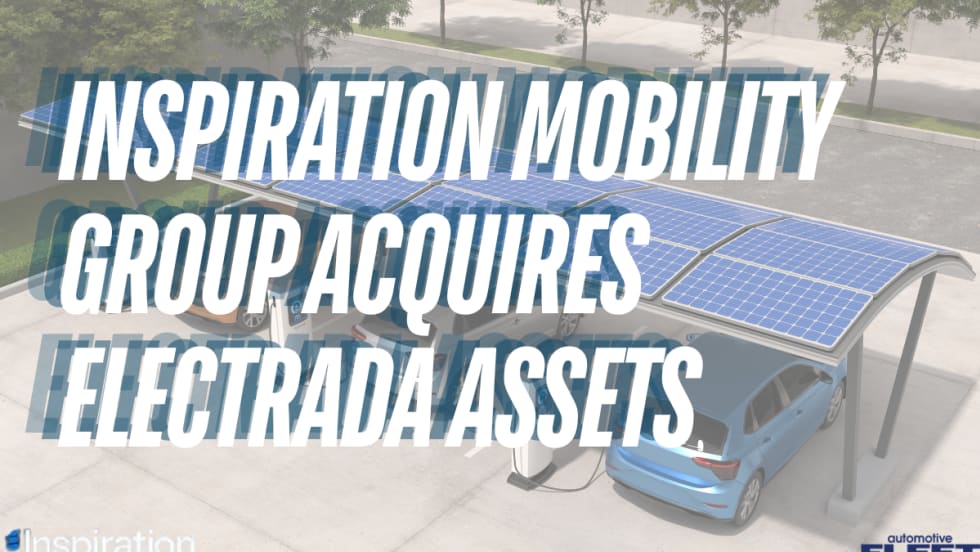
Inspiration Mobility Acquires Key Electrada Assets
Inspiration Mobility Group has acquired select assets of Electrada, adding the fleet electrification provider's team, technology, and charging infrastructure development capabilities to its energy management business.
Read More →
Turning Connected Vehicle Data Into Decisions That Matter
Fleet leaders have more data than ever, but turning that data into clear, actionable decisions remains a challenge. This white paper shows how leading organizations are using connected vehicle data to improve safety, reduce costs, and optimize fleet performance. Learn how to turn insight into action across your fleet.
Read More →
Are You Tracking Your Fleet's True Total Cost of Ownership?
Bobit Business Media surveyed 190 fleet professionals and found that while most fleets are tracking costs, fragmented systems and data gaps are keeping true TCO visibility out of reach. With rising pressure to control spend in an increasingly volatile environment, the gap between what fleets think they know and what the data actually shows is wider than you might expect. See how your peers are managing costs today and where the industry still has room to improve.
Read More →
Hybrids: Electrification Without the Challenges
For fleet managers, fuel is one of the biggest line items in the budget — and it's one hybrids can shrink without changing how your people work. Download the eBook to see the numbers, understand the technology, and get a step-by-step guide to making the switch.
Read More →
Startup ZMD Motors Developing Electric Conversion for Ram 5500 Work Trucks
Detroit-based company says it has begun early development of a system to convert internal combustion Ram 5500 chassis-cab trucks to electric power.
Read More →
U.S. EV Adoption Is Climbing, but Commercial and Passenger Markets Diverge
New industry group data revealed that light-duty electric vehicle sales are hitting record market share and volumes, while commercial EV volume dipped. What’s driving the fluctuations?
Read More →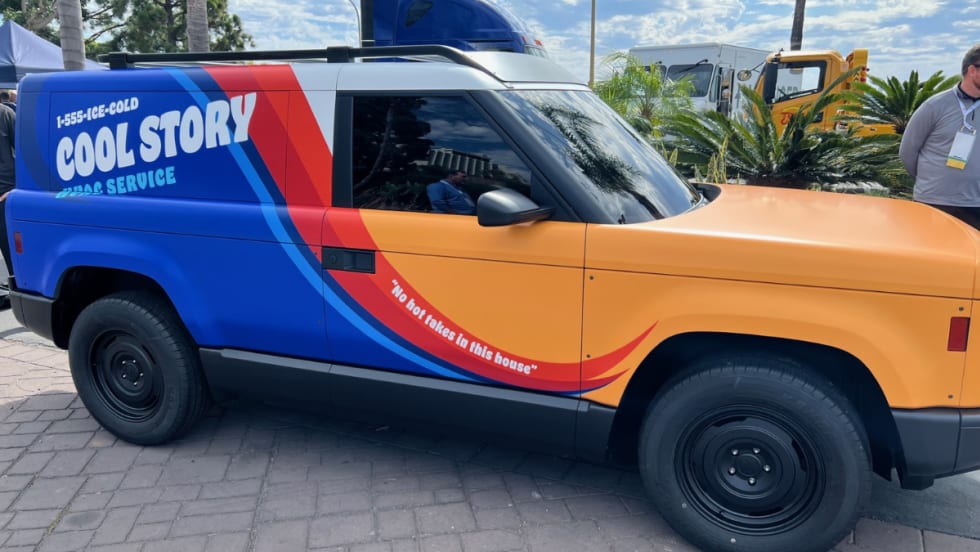
How To Upfit Electric Work Trucks and Vans
The biggest challenge lies in balancing additional equipment and accessories with EV battery capacity and range.
Read More →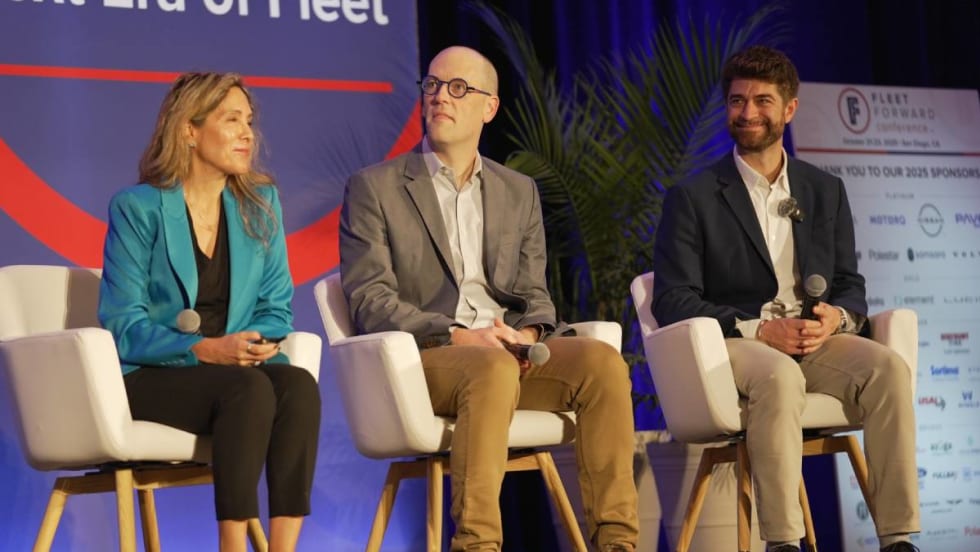
How Fleets Can Adjust Approaches To EV Adoption
With the expiration of federal incentives, EV success now hinges less on government policy and more on discounts, battery tech progress, increased range, and broader infrastructure.
Read More →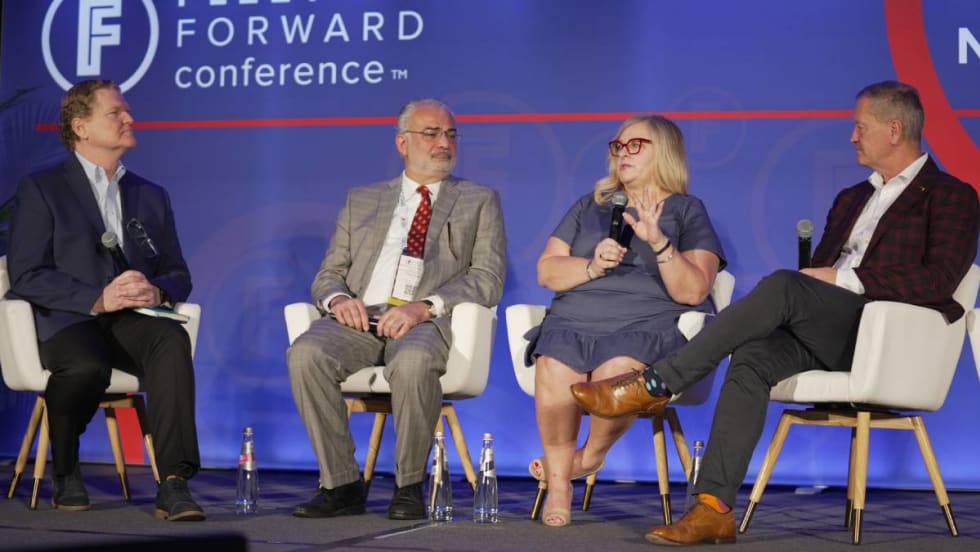
Despite World Troubles, Forward Thinking Guides Fleets
Fleet operators shared their challenges during an annual conference that embraced the latest advances across all aspects of running private- and public-sector vehicles.
Read More →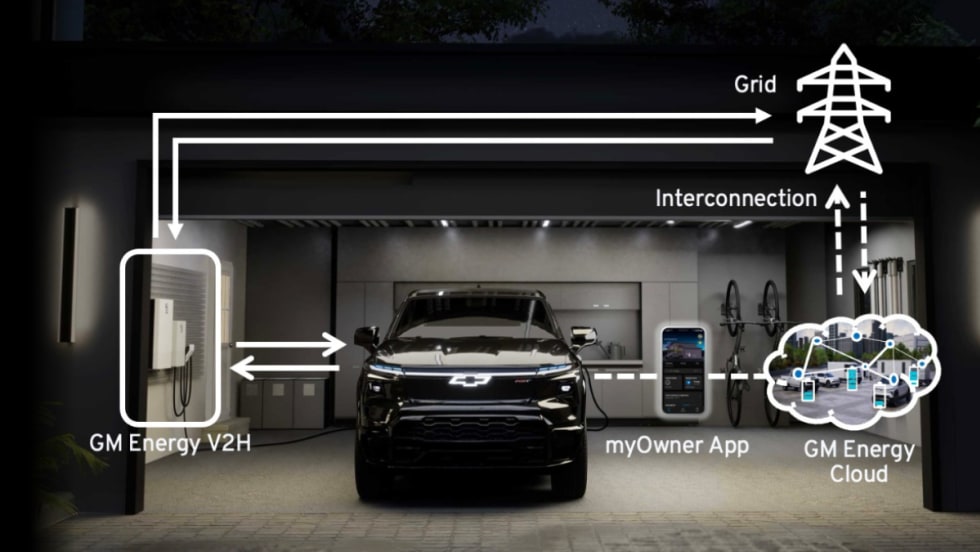
GM Energy Details Partnerships and Targets for Public Charging Build-Out
EVgo, Pilot, ChargePoint and IONNA named; goal is 35k GM-invested DC stalls by 2030, with customer-experience upgrades at sites.
Read More →