




WASHINGTON, D.C. --- For the first time, the Commercial Vehicle Safety Alliance (CVSA) and the Federal Motor Carrier Safety Administration (FMCSA) will hold their annual conferences together to provide a collective forum to address vehicle safety. Both conferences will be held on March 24-30 in Atlanta. Some of the subjects to be discussed include: -- Vehicle-related issues including results of the 2006 Brake Safety Symposium, cargo securement harmonization, disc brake and ABS technologies, and wheel bearing seal leakage issues; -- Transportation security issues such as Corporate Security Reviews, training, TWIC and REAL ID Act, cargo seals and vehicle disabling technologies; -- Driver related issues such as electronic on-board recorders, CDLIS/NLETS integration, speed and speed limiters, hours of service, traffic enforcement and safety belt initiatives; -- Passenger carrying issues and concerns related to motorcoach and school bus transportation; -- Technology initiatives related to safety-enhancing vehicle-based technology systems, next-generation vehicle and infrastructure-based technology programs, and information systems related to roadside inspections; -- Programmatic issues related to FMCSA's Comprehensive Safety Analysis for 2010 and COMPASS Programs, the recently announced U.S. DOT NAFTA Border Demonstration project, as well as CVSA's Roadcheck and Operation Air Brake Programs; -- Educational issues such as understanding the results from the Large Truck Crash Causation Study, how to use FMCSA's DataQs system and the Analysis and Information web site; and, -- Training issues include passenger vehicle inspection course updates, false CDL, HOS status and District Court of Appeals ruling, as well as reviewing the Program Manager's Course and National Transportation Safety Board's (NTSB) recommendations on automatic slack adjuster type brakes. Several federal agencies will be participating in this event. In the U.S., in addition to FMCSA, the Transportation Security Administration, Federal Highway Administration, Pipeline and Hazardous Materials Safety Administration and NTSB will be participating. From Canada, Transport Canada and the Canadian Council for Motor Transport Administrators will be participating. From Mexico, the Secretary for Communications and Transportation and Federal Preventative Police will be involved in the discussions.
Vehicle Safety Organizations Combine Conferences
WASHINGTON, D.C. --- For the first time, the Commercial Vehicle Safety Alliance (CVSA) and the Federal Motor Carrier Safety Administration (FMCSA) will hold their annual conferences together to provide a collective forum to address vehicle safety.
More Safety

The Distractions You Can’t Turn Off: What Drivers Face Outside the Vehicle
Fleet drivers face constant visual, cognitive, and environmental interruptions the moment they hit the road. From roadside chaos to mental fatigue and digital overload, today’s biggest driving risks often come from outside the vehicle itself.
Read More →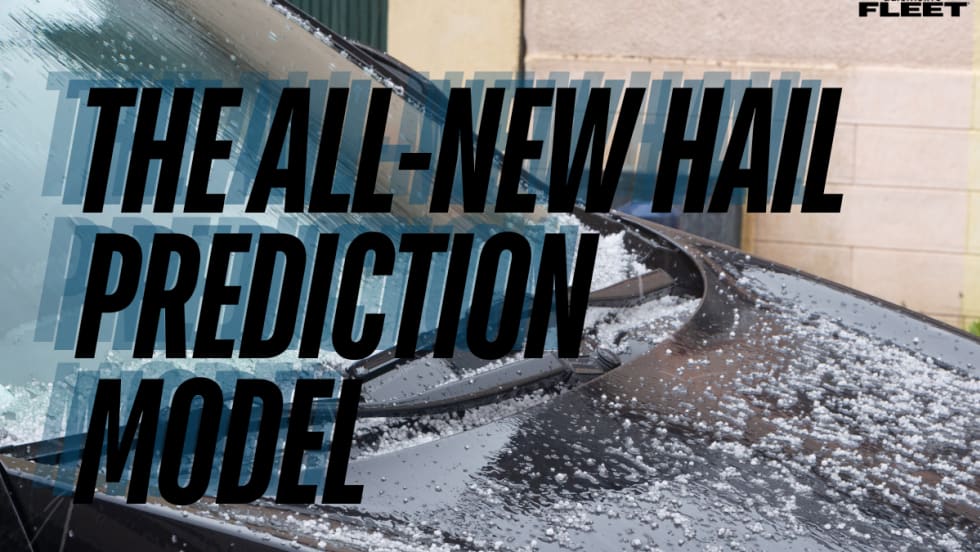
FLASH Weather AI Launches First Deep-Learning Hail Prediction Model With High-Resolution Forecasting
FLASH Weather AI has launched a first-of-its-kind hail prediction model capable of forecasting hail size and arrival time at 1-kilometer resolution up to 55 minutes ahead, giving fleets and insurers critical time to prepare for severe storms.
Read More →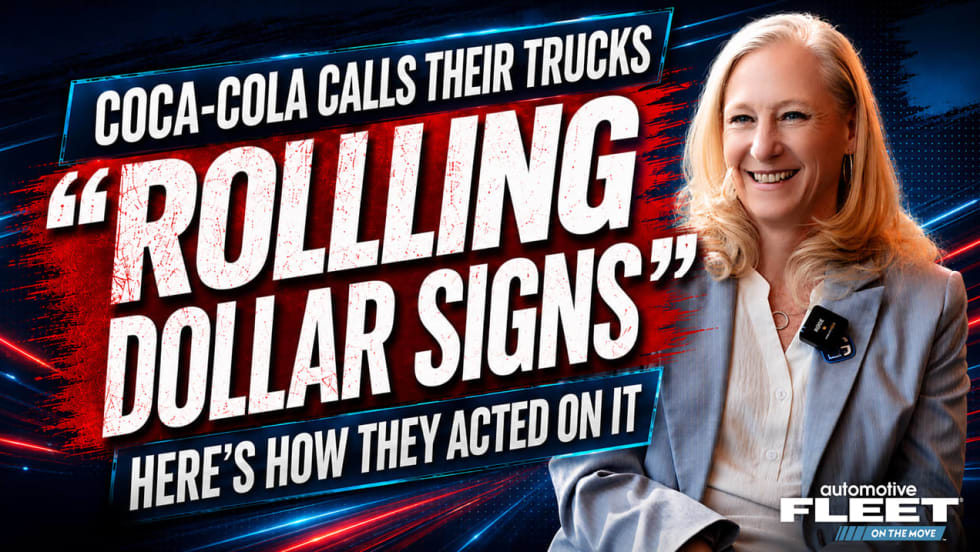
How Coca-Cola United Protects Its Fleet from Growing Legal Risk
As litigation risk rises, vehicles are increasingly targeted. This Coca-Cola bottler shares how it’s reducing exposure through driver training, technology, and a proactive risk management approach.
Read More →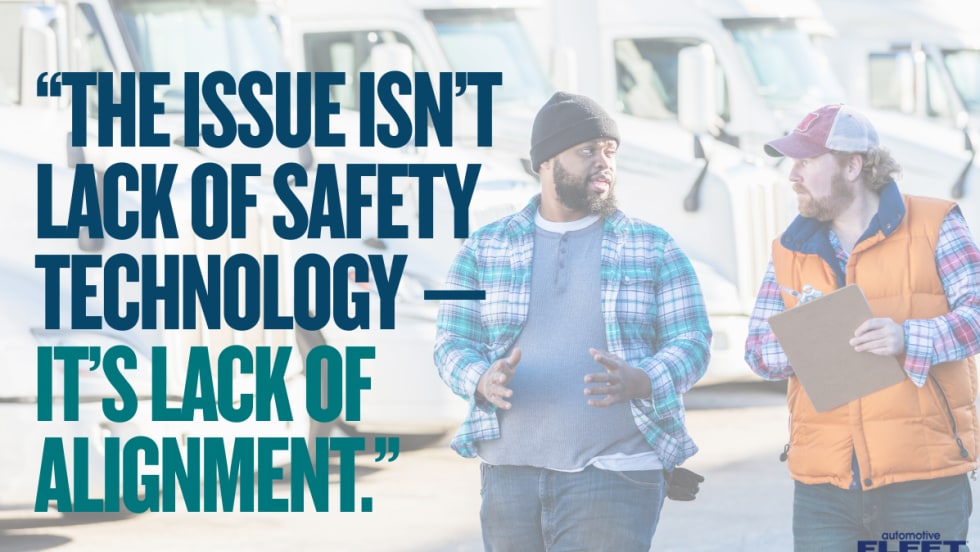
How to Speak the Same Language on Fleet Safety
Drivers, supervisors, and data often speak different safety “languages.” Getting on the same page will drive better results.
Read More →
Fleet Cybersecurity 101: What You Need from Your Technology Vendors
From identity management to third-party certifications, the right technology partner should make security easier to manage. Here are the three building blocks that fleet managers need to stay in control as connected systems scale.
Read More →
Reducing Risk by Eliminating Phone Use Behind the Wheel
Distracted driving remains one of the most persistent risks in fleet operations. New approaches focus on removing mobile device use entirely while adding real-time safety support.
Read More →
Distracted Driving in the Age of Smart Tech – Part 2
As distraction risks evolve, fleets are turning to smarter, more connected technologies to better understand what’s happening behind the wheel. Part 2 explores how these tools are helping identify risky behaviors and improve visibility across operations.
Read More →
Data Rights, Risks, and Responsibilities After a Crash
What fleets capture to improve safety can also expose them in litigation, forcing leaders to rethink how data is managed, stored, and shared.
Read More →
From Distraction to Detection: Strengthening Awareness in Fleet Drivers
Distracted driving is often measured by what we can see—phones in hand, eyes off the road. But what about the distractions we can’t? A recent incident raises a bigger question about awareness, attention, and why subtle risks so often go unnoticed.
Read More →
Lytx 2026 Road Safety Report
While serious crashes are declining, a rise in minor incidents and ongoing risk hotspots underscore the need for continued fleet safety investment.
Read More →