




Va. Draws Complaints About Ethanol Levels in Gas
RICHMOND, VA --- From June 8 to July 7 of this year, the Virginia Department of Agriculture and Consumer Services (VDACS) received more than 500 complaints about high levels of ethanol in gasoline sold in the state's Tidewater area.
RICHMOND, VA ---From June 8 to July 7 of this year, the Virginia Department of Agriculture and Consumer Services (VDACS) received more than 500 complaints about high levels of ethanol in gasoline sold in the state's Tidewater area.
Many consumers reported that their vehicles were performing poorly after they filled their tanks, the department said in a press release. VDACS' Office of Product and Industry Standards (OPIS) began inspecting gas stations for which they had complaints and found several instances of excessive levels of ethanol. Eight OPIS inspectors are dedicating their full attention to these investigations. As of July 7, 2009 inspectors had investigated 457 of the 532 complaints received by VDACS, involving a significant number of retail locations.
Although the number of complaints and telephone inquiries had abated somewhat by the week of July 6, VDACS said it continues to receive reports from consumers who are concerned about the quality of the gasoline they purchased. The vast majority of the fuel sampled by the inspectors was found to be in compliance, and OPIS inspectors only issued five "stop sale" orders. The affected pumps were sealed out of service and labeled with a prominent tag.
In every one of the five cases, the retailers took action to ensure that their fuel was brought into compliance, the department said. Upon subsequent testing by OPIS inspectors, the "stop sale" orders were lifted. In fewer than 10 other instances, inspectors determined that retailers who took delivery of suspect fuel had voluntarily closed their pumps and had the fuel pumped out and replenished with fresh gasoline.
During a typical investigation of a gasoline quality complaint, an inspector gathers records about recent deliveries of fuel at the station and asks station management if the station has received other complaints. The inspector also determines how much fuel is on hand by either using the station's electronic readout or by dipping the tank with a fuel stick coated with detection paste.
To test for ethanol, the inspector purges the fuel lines first and then collects a sample. Using a field test kit, the inspector can determine if the fuel contains excessive ethanol, water or sediment. If the sample is non-compliant, the fuel is put under a "stop sale" order, an official sample is drawn for laboratory analysis. and the dispenser is tagged and taken out of service. Whenever a stop sale order is issued, only an OPIS inspector or supervisor can remove the tags and release the fuel for sale.
OPIS said it is actively investigating all complaints received, not only at the retail level, but also with various distributors and terminal operators. The findings are being reviewed for possible compliance action in accordance with the provisions of Virginia's Motor Fuels and Lubricating Oils Law.
More Fuel
Bob Adamsky on Fuel Volatility: "Don't Panic, Have a Plan."
When it comes to up and down fuel prices, Adamsky has a message for fleets: “Don’t panic.”
Read More →
How Fleets Can Gain Control of Non-Fuel Spend
Fuel often gets the spotlight, but non-fuel expenses can have a major impact on fleet costs. Ramel Lindsay of U.S. Bank Voyager discusses how fleets can gain better visibility and control over these often-overlooked expenditures.
Read More →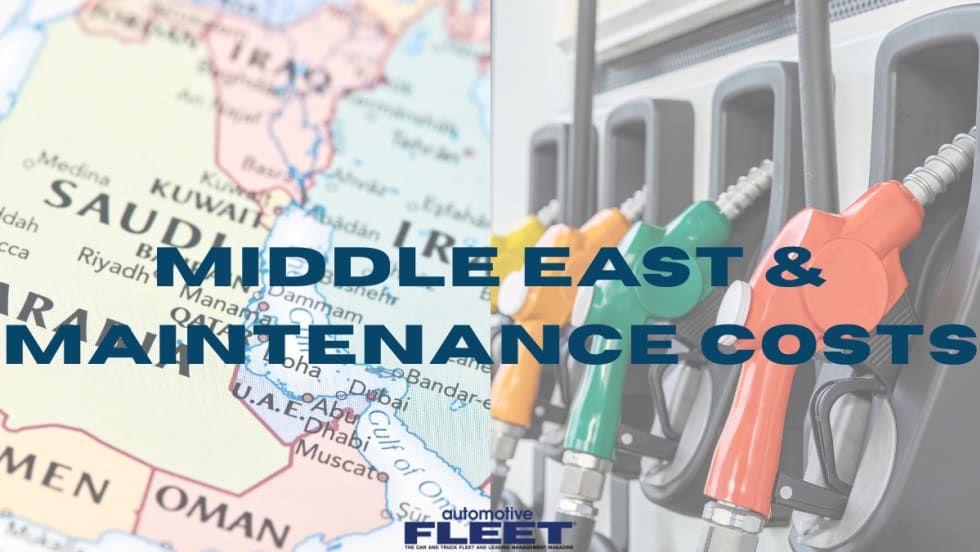
Fuel is Just the Start: How Middle East Tensions are Driving Up Fleet Maintenance Costs
The Middle East conflict is doing more than pushing up fuel prices. It’s also raising the cost of key maintenance products your fleet depends on, from motor oil to tires to windshield wipers. Here’s what you need to know about this budget-busting situation.
Read More →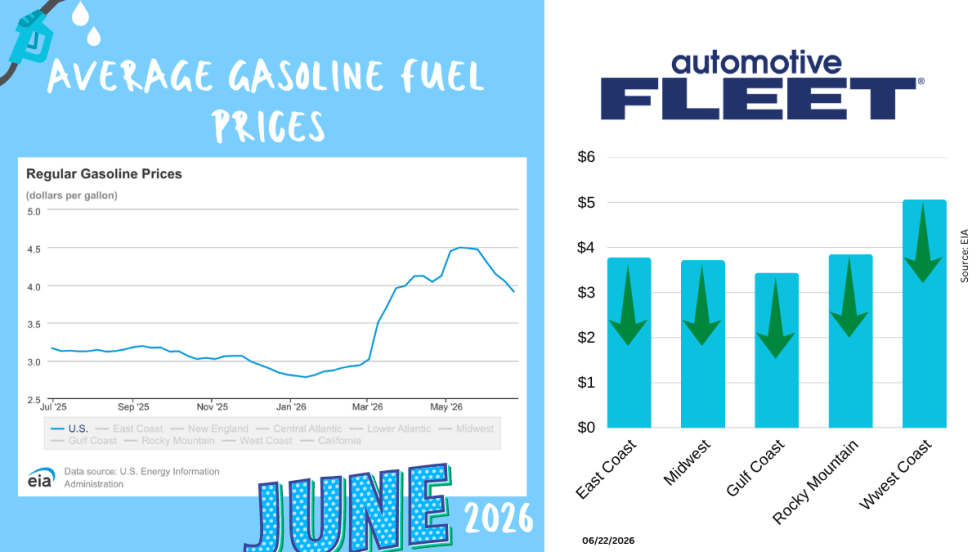
June Fuel Update: Prices Fall Below $4
Drivers are finally getting some relief at the pump. The national average gas price has dropped below $4 a gallon for the first time in months, with prices falling in 47 states as oil markets react to developments in U.S.-Iran negotiations.
Read More →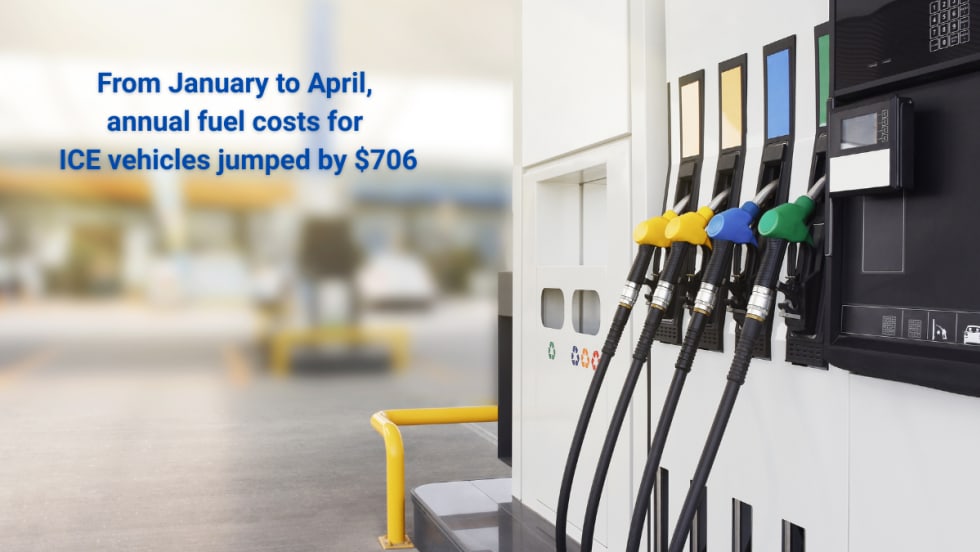
Study: How 2026's Gas Price Hikes Affect Different Vehicle Types
New data from iSeeCars reveals how rising fuel costs have affected different vehicle segments as gasoline prices climbed nearly 46% over the past four months.
Read More →
Are You Tracking Your Fleet's True Total Cost of Ownership?
Bobit Business Media surveyed 190 fleet professionals and found that while most fleets are tracking costs, fragmented systems and data gaps are keeping true TCO visibility out of reach. With rising pressure to control spend in an increasingly volatile environment, the gap between what fleets think they know and what the data actually shows is wider than you might expect. See how your peers are managing costs today and where the industry still has room to improve.
Read More →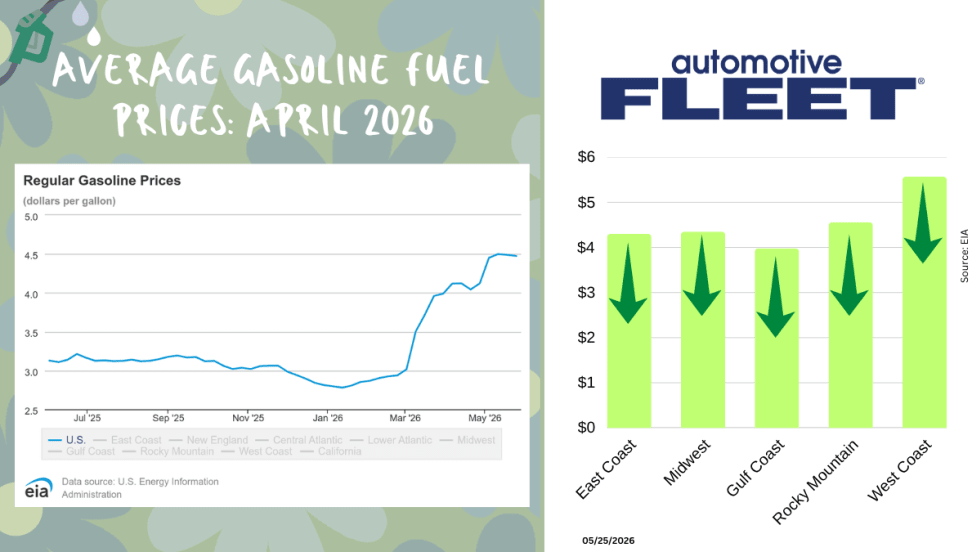
May Fuel Update: All Regions Experience Declines
Gas prices are finally easing in much of the country, but experts warn global tensions could quickly reverse the trend as the national average remains well above last month’s levels.
Read More →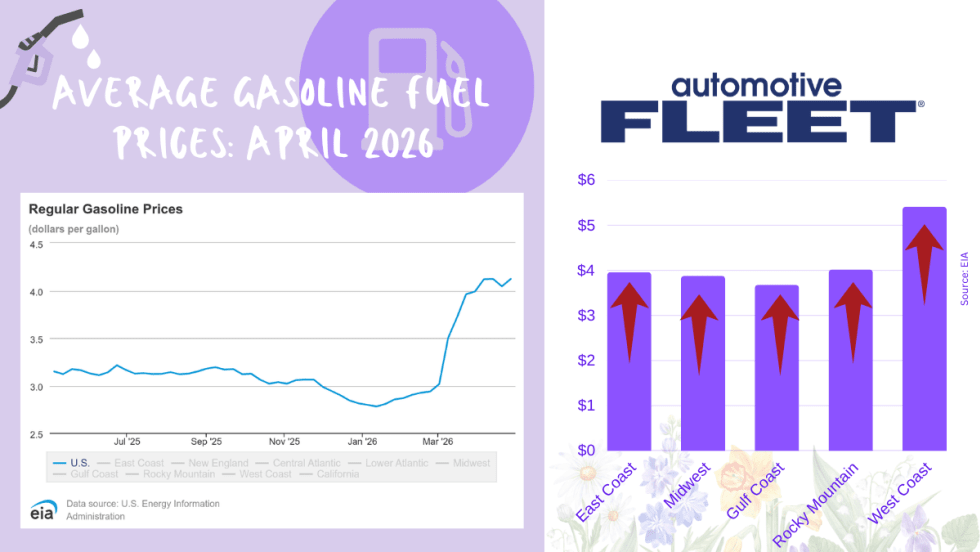
April Fuel Update: Prices Climb Above $4 as Spring Surge Accelerates
National average jumps to $4.04 per gallon, up sharply from last year, with West Coast prices topping $5 and further increases expected amid rising oil tensions.
Read More →
Tips from Fleet Managers on Saving Fuel Costs
Fleet leaders share practical strategies to reduce fuel spend through smarter policy, routing, and driver guidance.
Read More →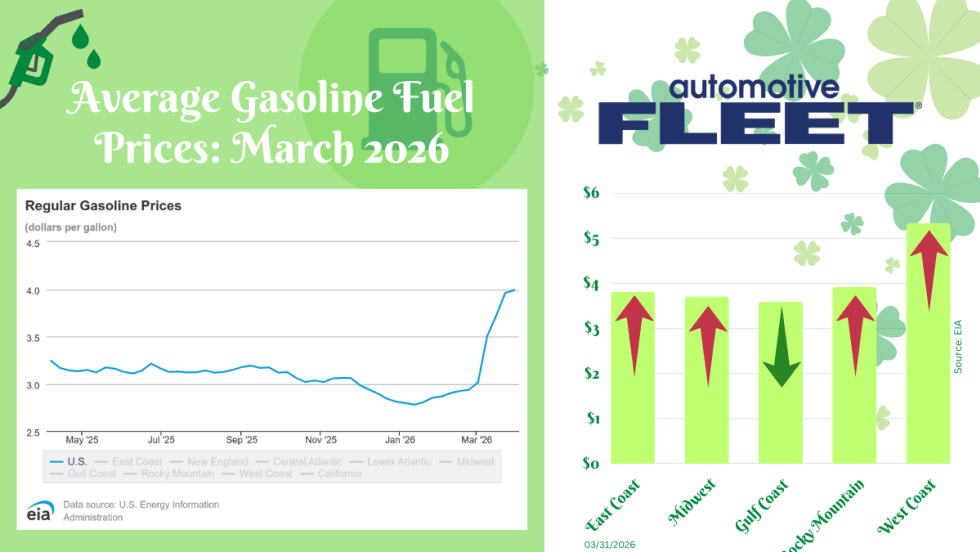
March Fuel Update: Prices Settle With a $4 Average
Fuel prices significantly slowed this week, but a $4 national average is still expected.
Read More →