




USPS Working with GM to Test Alt-Fuel Vehicle Replacements for 195,000-Unit Fleet
IRVINE, CA – On July 23, the U.S. Postal Service will outline its strategy for converting to an environmentally friendly fleet and announce an alternative-fuel vehicle test.
IRVINE, CA – On July 23, the U.S. Postal Service (USPS) will outline its strategy for converting to an environmentally friendly, non-petroleum-based, alternative-fuel vehicle fleet to replace 195,000 delivery vehicles and will announce an alternative-fuel vehicle test, according to www.streetinsider.com.
The announcement will come at 10 a.m. at the Irvine Post Office in Irvine, CA.
On Jul. 23, General Motors will turn over the keys of a Hydrogen Fuel Cell (HFC) vehicle to the USPS for testing in a mail delivery environment. HFC vehicles are unique in that they are battery powered and have no ill effects on the environment and their only emission is water. The USPS' director of R&D will outline the strategy for testing alternate fuel vehicles and for converting to a green delivery fleet.
A one-cent increase in a gallon of fuel annually adds $8 million to USPS expenses. Fuel costs last year were $1.7 billion. This year's will increase by $600 million.
The USPS maintains the nation's largest civilian fleet with nearly 220,000 vehicles to support 37,000 Post Offices staffed by more than 785,000 employees who annually collect, process, and deliver nearly half the world's mail volume — 212 billion pieces — to 148 million addresses six days a week. Of that 220,000, 195,000 are vehicles often seen in neighborhoods delivering mail. The USPS began testing alternative fuel vehicles beginning in 1899 with battery power. Of today's 220,000 fleet, 43,000 are alternative fuel capable.
An independent federal agency, the U.S. Postal Service is the only delivery service that visits every address in the nation — 148 million homes and businesses. It has 37,000 retail locations and relies on the sale of postage, products and services to pay for operating expenses, not tax dollars. The Postal Service has annual revenues of $75 billion and delivers nearly half the world's mail.
More Green Fleet
EV Charging Use Is Outpacing Infrastructure Growth
ChargePoint’s 2026 Charging Forward Report points to rising charger use, higher-powered charging, commercial vehicle electrification, and energy-management technology. Here’s what fleets should know.
Read More →
Merchants Fleet Reports 290M EV Miles as Fleets Navigate Changing Electrification Market
From millions in operating savings to hundreds of millions of EV miles, Merchants Fleet’s latest report reveals what’s working and what’s changing in fleet electrification.
Read More →
The EV Breakdown Nobody's Talking About: Why Most Electric Vehicle Roadside Calls Aren't Mechanical Failures
Here's why EV breakdowns are widely misunderstood.
Read More →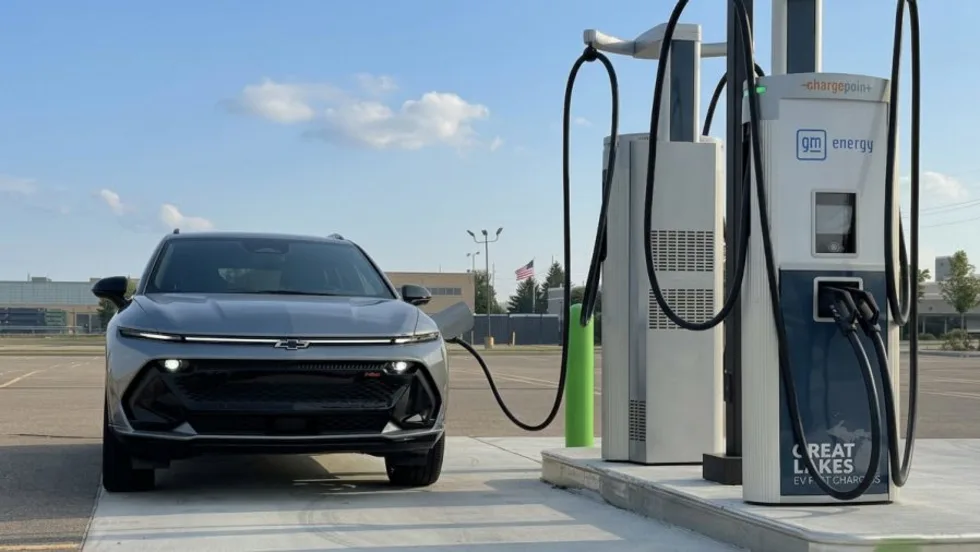
ChargePoint Now Available in Energy Pass
ChargePoint and additional planned charging network integrations were added to GM's Energy Pass.
Read More →

First Look: Slate Auto's Electric Fleet Pickup
Could an affordable, modular EV pickup make electrification more practical for fleets?
Read More →
Slate Debuts Colorful, Unique EV Models
A recent media and client event, studded with electric vehicles dressed up on platforms, planted a new position for the manufacturer in the wider EV market. Fleets will find cost-saving advantages.
Read More →
Slate Electric SUV, Pickup Switchable Model Aims For Light-Duty Fleets
Everything about this EV is counterintuitive and understated, making it stand out from the crowd.
Read More →
Inspiration Mobility Acquires Key Electrada Assets
Inspiration Mobility Group has acquired select assets of Electrada, adding the fleet electrification provider's team, technology, and charging infrastructure development capabilities to its energy management business.
Read More →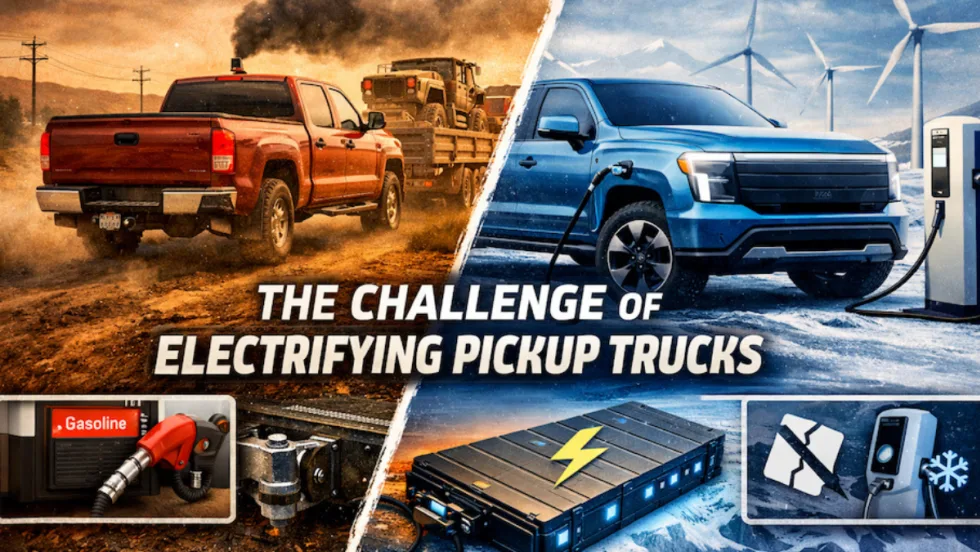
Why America’s Most Popular Vehicle is So Hard to Electrify
Turning America’s favorite workhorse electric means balancing range, payload, charging infrastructure, and price, an equation automakers are still trying to solve.
Read More →