




Related: Maintenance Inefficiencies Costing USPS $21.8M a Year
USPS Considers Euro Fleet Replacement Model
The U.S. Postal Service's Office of Inspector General (OIG) has recommended four best practices and strategies for replacing vehicles based on a study of postal operations in the United Kingdom, Germany, Switzerland, Sweden, and Finland.
by Staff
September 8, 2015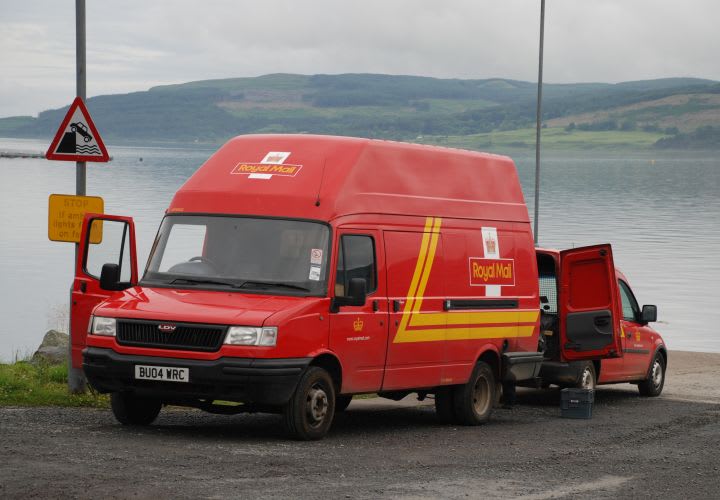
Photo of Royal Mail vans via Wikipedia.
2 min to read
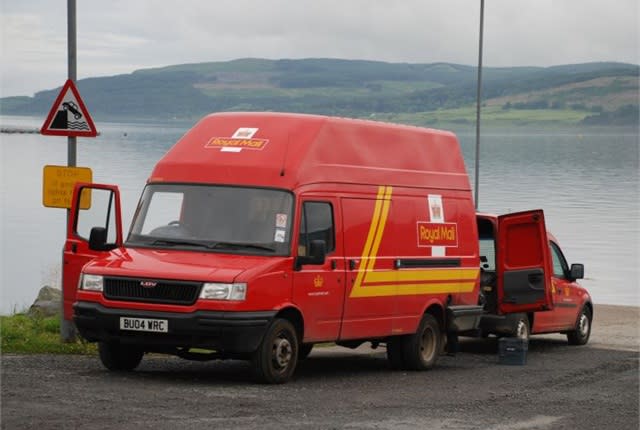
Photo of Royal Mail vans via Wikipedia.
The U.S. Postal Service's Office of Inspector General (OIG) has recommended four best practices and strategies for replacing vehicles based on a study of postal operations in the United Kingdom, Germany, Switzerland, Sweden, and Finland.
The USPS is now finalizing its strategy for future vehicle purchases. The quasigovernmental agency plans to replace the majority of its 180,000 Long Life Vehicles (LLVs), and has identified 15 possible manufacturers for the next-generation delivery vehicle.
The OIG's findings included suggestions for the USPS to purchase or lease new vehicles within a three- to nine-year replacement cycle; operate vehicles primarily on diesel or biodiesel with limited investment in other alternative fuels; outsource vehicle maintenance and repair as part of a leasing agreement; and acquire alternative delivery vehicles for letter and small parcel distribution in urban areas.
The USPS in contrast planned to buy vehicles over a 12-year period. It primarily relies on in-house maintenance facilities. The USPS has no plans to add trikes or e-bikes. The U.S. Postal Innovation Act, introduced in late July, has called on the USPS to take a "greener" approach to its fleet replacement initiative and install collision-avoidance technology, among other practices.
In May, a separate OIG report found that the USPS could reduce its maintenance costs by $21.8 million annually by improving oversight of mechanics and right-sizing staffing at vehicle garages.
Read the full report here.
More Global Fleet

John Rossant: Don’t Make a Ten-Year Bet on a Two-Year Policy
At the 2026 Fleet Forward Conference, Rossant brought transportation insights from Europe, China, and the Middle East to a discussion of fleet management's changing role.
GeoFencing Adds to Your Truck Security Arsenal
Geofencing is a familiar fleet tool today, but its early adoption marked a major shift in vehicle tracking, route monitoring, and the debate over employee privacy.

Holman Takes Full Ownership of ARIZA in Mexico
Holman is bringing its Mexican fleet management operation fully under its own brand after more than 30 years as a joint venture. The change gives multinational fleet customers a single Holman operation across the U.S., Canada, and Mexico.

5 Tire Maintenance Tips to Help Prevent Work Truck Downtime
Regular tire checks can do more than extend tread life. These five maintenance practices can help work truck fleets catch problems early, reduce costs, and prevent downtime.

Proven Ways to Reduce Work Truck Downtime
The age-old problem of downtime will always be a reality, but with new strategies at hand, fleets have more ways to keep trucks on the road longer.

The Top 300 Commercial Fleets
The Top 300 Commercial Fleets: See the List


Cameras, Safety and Insurance: From Reactive Claims to Real-Time Prevention (Part 2 of 2)
Part Two: Commercial auto remains one of the most challenging and costly lines of coverage for fleet operators and insurers alike. Continue learning more about how to effectively address these issues from Onur Aksan, Enterprise Business Development Executive, Geotab

Cameras, Safety and Insurance: From Reactive Claims to Real-time Prevention
Commercial auto remains one of the most challenging and costly lines of coverage for fleet operators and insurers alike. Learn more about how to effectively address these issues from Onur Aksan, Enterprise Business Development Executive, Geotab.

Enterprise Fleet Management Surpasses 900,000 Vehicles in U.S. & Canada
Enterprise Mobility connects with mobility solutions around the globe