




USPS Awards $37.4M for Next-Gen Vehicle Prototypes
The U.S. Postal Service has awarded $37.4 million in contracts to six vendors to provide 50 prototypes of a next-generation delivery vehicle that will be tested in various climates and locales.

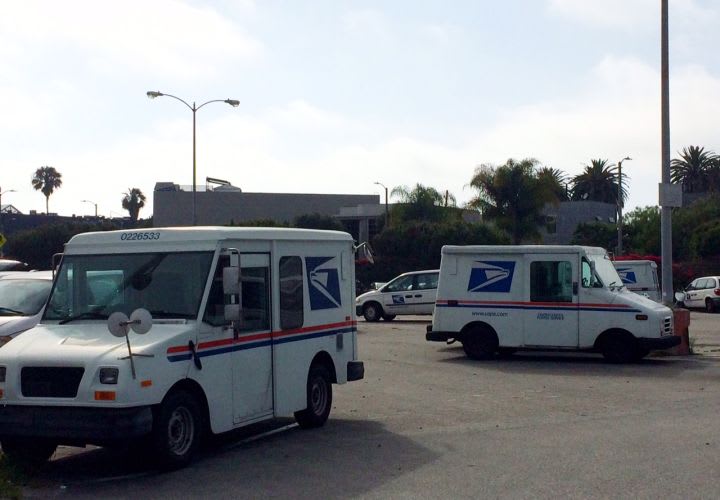
Photo of existing delivery vehicles by Paul Clinton.
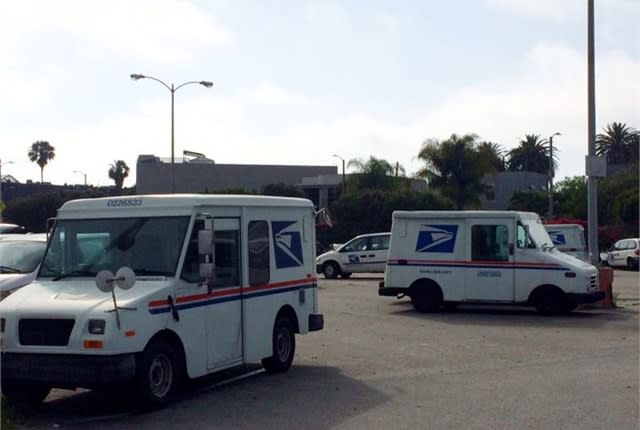
Photo of existing delivery vehicles by Paul Clinton.
The U.S. Postal Service has awarded $37.4 million in contracts to six vendors to provide 50 prototypes of a next-generation delivery vehicle that will be tested in various climates and locales, the USPS has announced.
AM General, Karsan, Mahindra, Oshkosh, Utilimaster, and VT Hackney will have one year to develop and produce their prototypes.
While Fiat Chrysler Automobiles, Ford, Nissan, and Freightliner made the initial list of pre-qualified vendors, these larger vehicle manufacturers could partner with the final six as subcontractors to supply engines, transmissions, or other parts.
VT Hackney, a North Carolina body builder perhaps best known as a supplier to the beverage industry, will submit several prototypes in collaboration with Workhorse. The company will add a custom body to a modified E-Gen plug-in hybrid platform to build a truck with a GVW of about 6,500 pounds, which puts in on the lighter end of Class 2. The vehicle will include a back-up camera, said Richard Ball, VT Hackney's marketing and business development director.
Half of the prototypes will feature hybrid and new technologies, including alternative fuel capabilities. The prototypes will represent a variety of vehicle sizes and drive configurations, in addition to advanced powertrains and a range of hybrid technologies, according to a USPS statement.
Once the prototypes are delivered, the USPS plans to test the vehicles for about six months in different climates, topography, population centers and delivery environments. The tests will help demonstrate the ability of the proposed designs to meet operational needs, such as deliver to mailboxes.
The USPS has been reluctant to use an off-the-shelf cargo van because the seating is often too high and mail delivery personnel have to reach down toward the mailbox. Federal regulations require the bottom of the mailbox to be 42 inches from the ground. The vehicle must also be right-hand drive.
However, the USPS is planning to release a request for proposal for an off-the-shelf, right-hand drive vehicle to supplement its fleet as it "continues to assess the delivery fleet mix." The USPS has ordered 12,472 Ram ProMaster 2500 cargo vans in the past year.
The delivery of the prototypes represents the next step toward the deployment of the next-generation vehicle, which should begin rolling out in 2018. The USPS plans to replace as many as 180,000 carrier route vehicles for between $4.5 billion and $6.3 billion over as many as seven years.
More Operations
Here's When You Should Make an Exception to Fleet Policy
Fleet policies are designed to create consistency, but not every driver or situation fits neatly within standard rules.
Read More →
AI-Native or AI-Acquired: What Should Fleet Managers Look for in an AI Platform?
Six questions can help fleet managers look beyond AI marketing claims to evaluate integration, data access, and real-world operational performance.
Read More →
A buyer's guide to fleet management software in 2027
Buying fleet management software in 2027 means looking beyond features and price. As fleet operations, technology and expectations evolve, this guide explores what today’s fleet professionals should consider when choosing a system that can deliver value now and adapt to what comes next.
Read More →

What Will Shape the Next Era of Fleet Management?
EVs, AI, and autonomous vehicles are reshaping fleet management. Discover what’s ahead—and how fleet leaders can prepare for the next era.
Read More →
How Fleets Can Recruit and Train Veterans for Technician Roles
Here's how the technician shortage has affected uptime for fleets, and what to do about it.
Read More →
Avis Budget Group Deploys Neology Toll Management Technology Across Major Brands
Neology’s neoFleet platform will manage toll transactions and toll-authority operations for vehicles across Avis, Budget, Payless, Budget Truck and Zipcar.
Read More →
Fleet Personal-Use Charges Edge Higher in 2026
Nearly eight in 10 surveyed fleets allow personal use of company vehicles, while just over half of respondents report charging employees for the privilege.
Read More →
The Future of Fleet + What’s Changing Right Now | AF News Recap
Could developments overseas offer a preview of what’s coming for U.S. fleets? This week, we’re looking at the future of AI, autonomy, and electrification, plus Ford Pro’s new certified pre-owned program, smarter vehicle offboarding, and a new way for fleets to manage toll expenses.
Read More →
How to Handle Vehicle Offboarding
What do fleet managers need to do when a driver leaves?
Read More →
Fleet Manager’s Ultimate Playbook: Navigating the New Standard in OEM Connectivity
Rising operating costs, driver safety concerns, and unplanned downtime are putting unprecedented pressure on modern fleets. Discover how fleet managers use embedded OEM connectivity and real-time vehicle data to cut TCO, prevent downtime, and protect drivers without aftermarket telematics hardware.
Read More →