




US Postal Service to Green 195,000-Vehicle Neighborhood Delivery Fleet
IRVINE, CA — General Motors recently presented a Chevrolet Equinox Fuel Cell electric vehicle to the Postal Service for testing in a mail-delivery environment.

IRVINE, CA — The U.S. Postal Service plans to identify new, more environmentally friendly vehicle technologies to replace the 195,000 neighborhood delivery vehicles of its total 220,000 vehicles, the world's largest civilian fleet. The announcement came during a recent ceremony in which General Motors presented a Chevrolet Equinox Fuel Cell electric vehicle to the Postal Service for testing in a mail-delivery environment.
"We are looking for a vehicle that operates from a fuel source that reduces — or eliminates — our dependence on petroleum products, that is good for the environment, good for our customers and good for the Postal Service," said Walter O'Tormey, vice president, engineering, as he accepted the keys to the Equinox Fuel Cell that will be tested in Irvine.

Moving forward with non-petroleum fueled vehicles is more important to the Postal Service than ever, O'Tormey said, since a 1-cent increase in a gallon of fuel adds $8 million annually to Postal Service expenses. Fuel costs last year were $1.7 billion and are expected to increase this year by $600 million.
"The Postal Service has been an invaluable partner, and they put our fuel cell vehicles through some tough, daily workouts," said Mary Beth Stanek, director of energy and environmental policy & commercialization at General Motors. "We are gaining valuable insight on how these vehicles perform in demanding, real-world situations. By participating in Project Driveway, the Postal Service also is demonstrating the need to develop a hydrogen infrastructure to support fueling these vehicles."
A hydrogen fuel cell vehicle is twice as efficient as an internal combustion engine and is unique in that the fuel cell emits only water vapor which doesn't harm the environment. Hydrogen's greatest advantage as a fuel is that it can be made in many ways using both traditional and renewable energy sources, such as wind, solar and biomass energy.
According to O'Tormey, the Postal Service will explore other options, such as hybrid electric, plug-in hybrid and other green vehicles."
The Postal Service leads the federal government in the number of alternate fuel vehicles it uses. More than 43,000 can operate on hybrid-electric, electric, compressed natural gas, liquid propane gas, ethanol (E-85), biodiesel, and hydrogen fuel cell.
More Green Fleet
EV Charging Use Is Outpacing Infrastructure Growth
ChargePoint’s 2026 Charging Forward Report points to rising charger use, higher-powered charging, commercial vehicle electrification, and energy-management technology. Here’s what fleets should know.
Read More →
Merchants Fleet Reports 290M EV Miles as Fleets Navigate Changing Electrification Market
From millions in operating savings to hundreds of millions of EV miles, Merchants Fleet’s latest report reveals what’s working and what’s changing in fleet electrification.
Read More →
The EV Breakdown Nobody's Talking About: Why Most Electric Vehicle Roadside Calls Aren't Mechanical Failures
Here's why EV breakdowns are widely misunderstood.
Read More →
ChargePoint Now Available in Energy Pass
ChargePoint and additional planned charging network integrations were added to GM's Energy Pass.
Read More →

First Look: Slate Auto's Electric Fleet Pickup
Could an affordable, modular EV pickup make electrification more practical for fleets?
Read More →
Slate Debuts Colorful, Unique EV Models
A recent media and client event, studded with electric vehicles dressed up on platforms, planted a new position for the manufacturer in the wider EV market. Fleets will find cost-saving advantages.
Read More →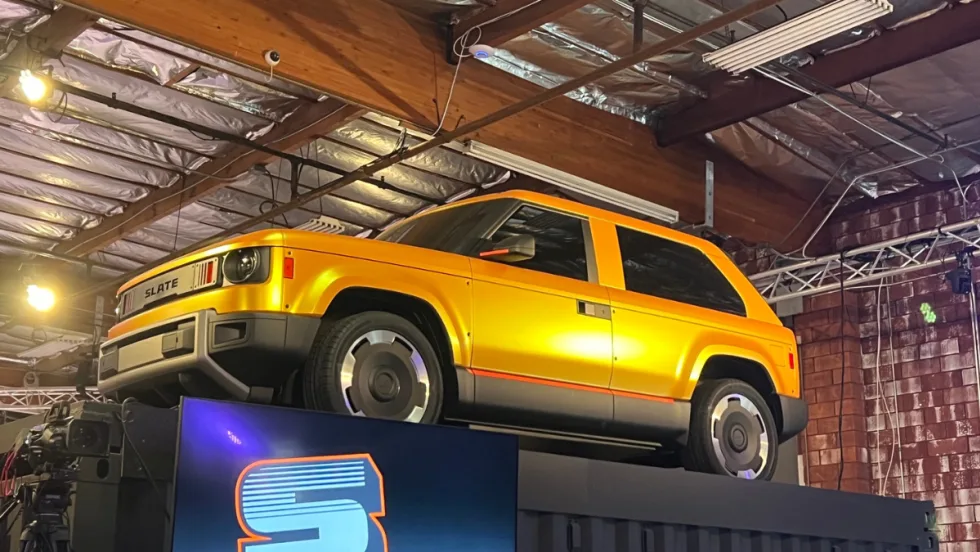
Slate Electric SUV, Pickup Switchable Model Aims For Light-Duty Fleets
Everything about this EV is counterintuitive and understated, making it stand out from the crowd.
Read More →
Inspiration Mobility Acquires Key Electrada Assets
Inspiration Mobility Group has acquired select assets of Electrada, adding the fleet electrification provider's team, technology, and charging infrastructure development capabilities to its energy management business.
Read More →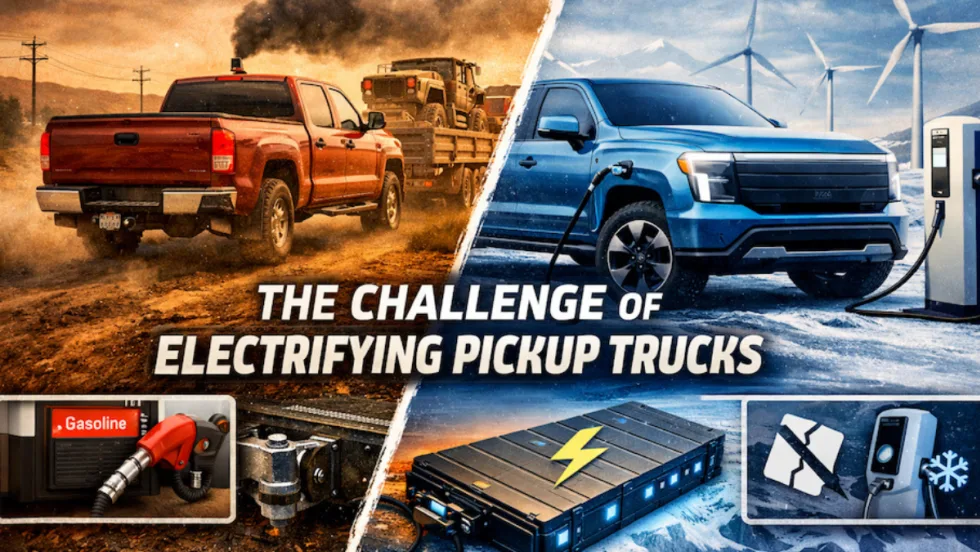
Why America’s Most Popular Vehicle is So Hard to Electrify
Turning America’s favorite workhorse electric means balancing range, payload, charging infrastructure, and price, an equation automakers are still trying to solve.
Read More →