




U.S. Foodservice Fleet to Cut Idling & Fuel Use
FORT MILL, SC - U.S. Foodservice - Fort Mill is working to reduce fleet idling time and increase fuel efficiency as part of its latest environmental efforts.
FORT MILL, SC - U.S. Foodservice - Fort Mill is working to reduce fleet idling time and increase fuel efficiency as part of its latest environmental efforts.
The company division plans to use strategic route-planning technologies to reduce its fleet's "idle time" by 4.3 percent and raise its fuel efficiency by 1.2 percent, collectively saving 13,000 gallons of fuel in its service area which includes the upstate region of South Carolina as well as the western half of North Carolina.
U.S. Foodservice - Fort Mill is among the newest members of the South Carolina Environmental Excellence Program (SCEEP), a voluntary leadership initiative designed to recognize facilities that have demonstrated "superior environmental performance." The division is the group's 34th member.
"U.S. Foodservice - Fort Mill has demonstrated its commitment to both the environment and the community through diligent efforts to reduce its carbon footprint, conserve water and electricity, limit its waste stream by recycling, and provide organic and locally grown products to its customers," said Myra Carpenter, chairman of SCEEP. "This aggressive, holistic approach is a definite benefit to our state's environment."
Since 2007, a dedicated sustainability team has sought new ways to reduce energy consumption, eliminate waste, and add recycling programs. These efforts have resulted in a number of innovations that demonstrate the Fort Mill division's commitment to sustainability in three key areas: environment, products and community.
Additionally, U.S. Foodservice - Fort Mill recently earned Green Business Certification from the Institute or Green Business Certification.
Earlier this year, the company also announced plans to further improve fleet productivity by scaling up successful initiatives, such as driver awareness programs, automatic idle shutoff, maximum speed controls, and assessing and implementing new initiatives, including improved trailer cooling practices and other technology solutions.
More Fuel

Turning Fleet Payment Data into Executive Insights
Ramel Lindsay of U.S. Bank Voyager discusses how fleets can transform payment and transaction data into actionable intelligence to reduce costs, improve oversight, and support executive decision-making.
Read More →
Why the IRS Raised Its Mileage Rate in the Middle of 2026
Fuel-price volatility drove the rare increase to 76 cents per mile, the fifth midyear adjustment since 2000.
Read More →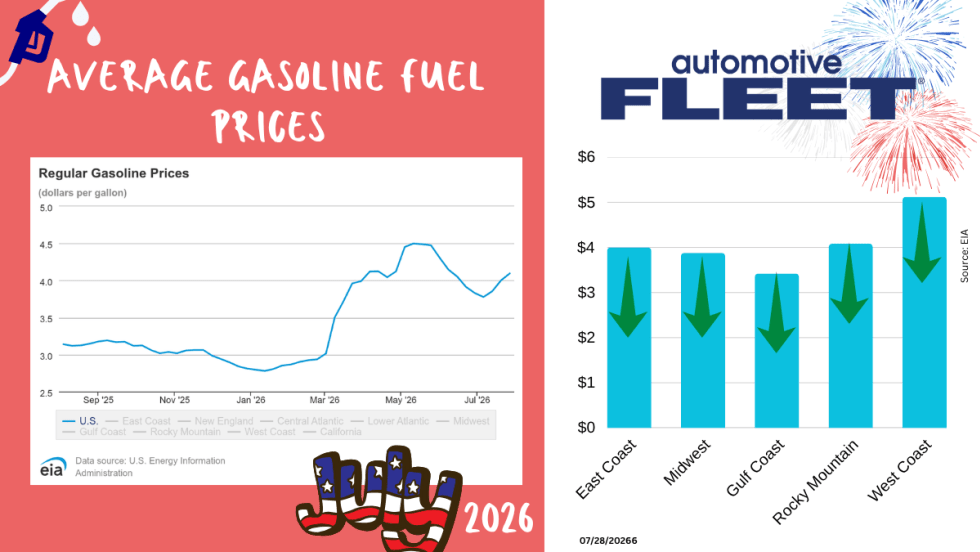
July Fuel Update: Prices Keep Rising in Light of More Conflict
Gas prices continue to rise as more and more conflicts do, too.
Read More →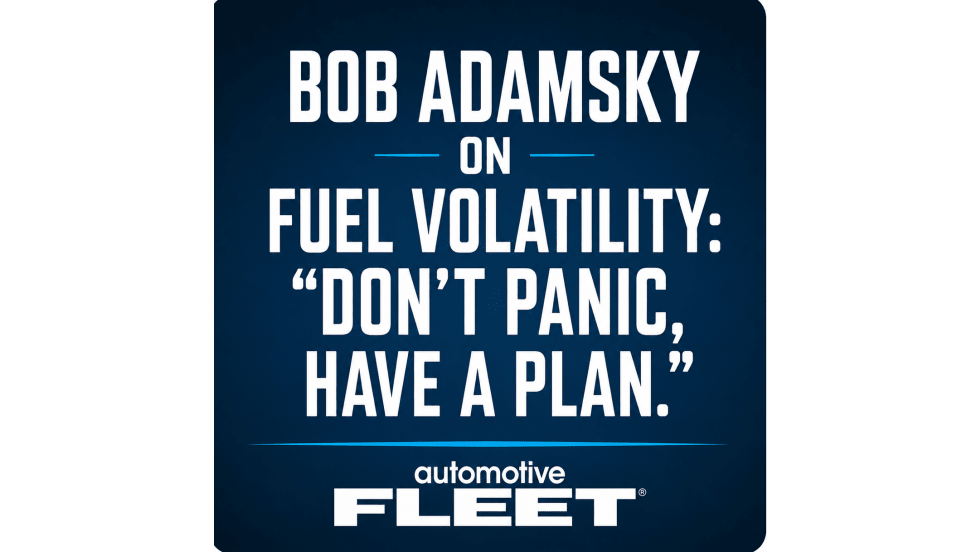
Bob Adamsky on Fuel Volatility: "Don't Panic, Have a Plan."
When it comes to up and down fuel prices, Adamsky has a message for fleets: “Don’t panic.”
Read More →
How Fleets Can Gain Control of Non-Fuel Spend
Fuel often gets the spotlight, but non-fuel expenses can have a major impact on fleet costs. Ramel Lindsay of U.S. Bank Voyager discusses how fleets can gain better visibility and control over these often-overlooked expenditures.
Read More →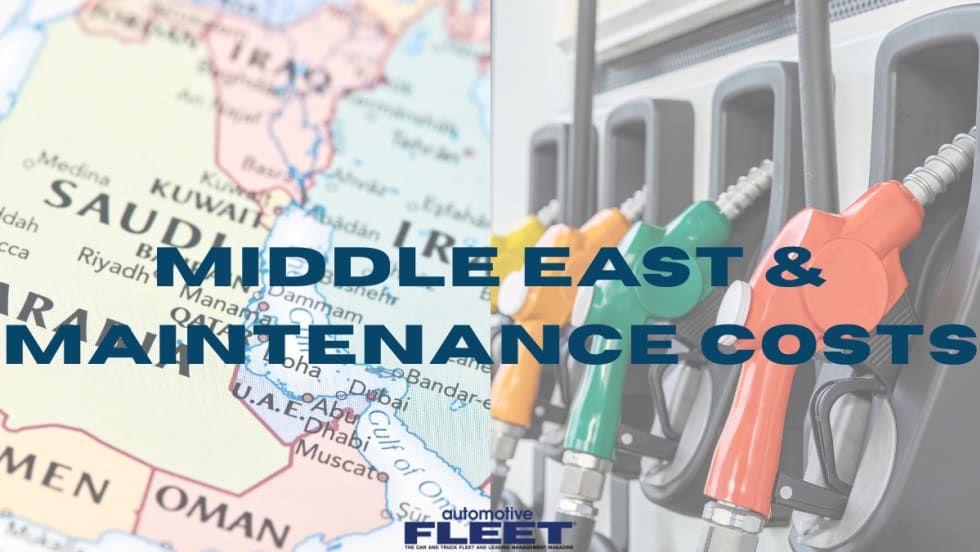
Fuel is Just the Start: How Middle East Tensions are Driving Up Fleet Maintenance Costs
The Middle East conflict is doing more than pushing up fuel prices. It’s also raising the cost of key maintenance products your fleet depends on, from motor oil to tires to windshield wipers. Here’s what you need to know about this budget-busting situation.
Read More →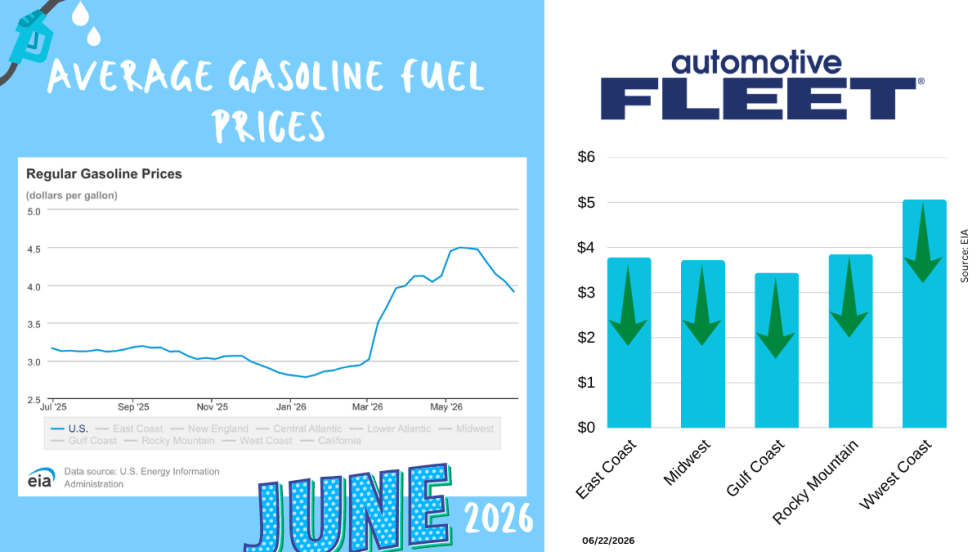
June Fuel Update: Prices Fall Below $4
Drivers are finally getting some relief at the pump. The national average gas price has dropped below $4 a gallon for the first time in months, with prices falling in 47 states as oil markets react to developments in U.S.-Iran negotiations.
Read More →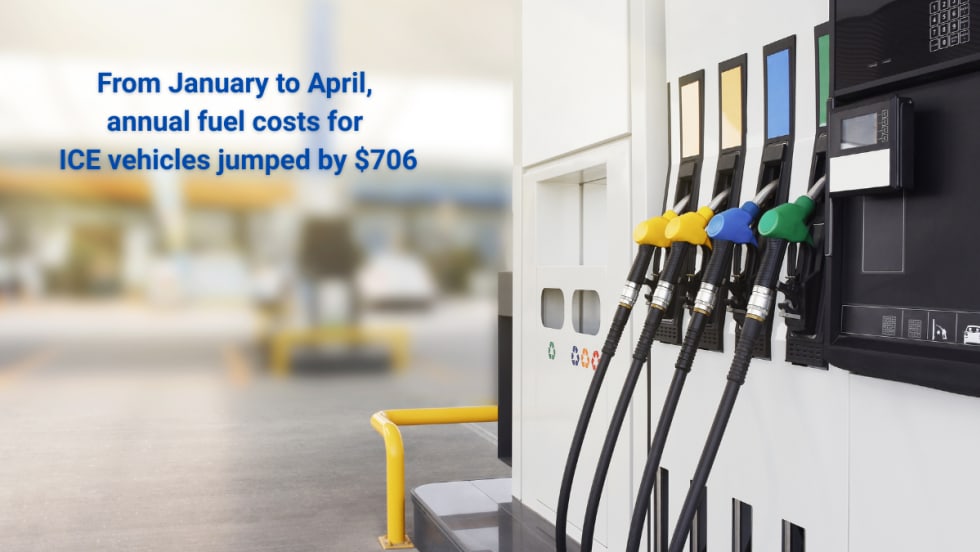
Study: How 2026's Gas Price Hikes Affect Different Vehicle Types
New data from iSeeCars reveals how rising fuel costs have affected different vehicle segments as gasoline prices climbed nearly 46% over the past four months.
Read More →
Are You Tracking Your Fleet's True Total Cost of Ownership?
Bobit Business Media surveyed 190 fleet professionals and found that while most fleets are tracking costs, fragmented systems and data gaps are keeping true TCO visibility out of reach. With rising pressure to control spend in an increasingly volatile environment, the gap between what fleets think they know and what the data actually shows is wider than you might expect. See how your peers are managing costs today and where the industry still has room to improve.
Read More →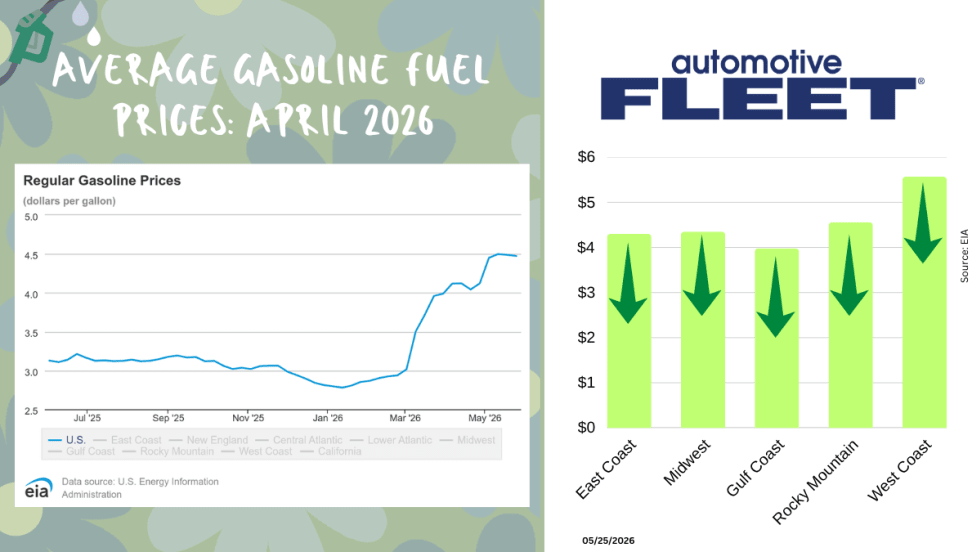
May Fuel Update: All Regions Experience Declines
Gas prices are finally easing in much of the country, but experts warn global tensions could quickly reverse the trend as the national average remains well above last month’s levels.
Read More →