




U.S. Foodservice-Atlanta Begins Fueling Fleet With Biodiesel
FAIRBURN, GA - U.S. Foodservice-Atlanta has become the first major foodservice distributor in Georgia to run its entire delivery fleet on biodiesel fuel.
FAIRBURN, GA - U.S. Foodservice-Atlanta has become the first major foodservice distributor in Georgia to run its entire delivery fleet on biodiesel fuel.
All of the Atlanta division's 185 tractors and 210 trailers began using biodiesel fuel last week following its first 7,500-gallon delivery of B5, a blend of diesel containing 5 percent biodiesel, a form of diesel fuel made from vegetable oils, animal fats, or recycled restaurant greases. Biodiesel is a sustainable, renewable alternative to diesel fuel which can dramatically reduce greenhouse gases and other emissions.
"Utilizing biodiesel is a continuation of our ongoing environmental strategy," said John Leake, president of U.S. Foodservice-Atlanta. "Improving our overall impact on the environment - while helping our customers find effective ways to do the same - not only makes good business sense, it's the right thing to do."
The biodiesel fuel costs on average about a penny more per gallon. Its use is expected to reduce the U.S. Foodservice-Atlanta fleet's carbon dioxide (CO2) emissions by nearly 788,000 pounds - or about 4 percent - annually. That's roughly the equivalent of taking 65 cars off the road or of planting more than 3,150 trees every year.
The biodiesel is locally sourced and refined, a product of S.A. White Oil Co. of Marietta.
U.S. Foodservice-Atlanta is active with and has a leadership role in several local, regional and state efforts to promote and protect the environment including the Georgia DNR Project, Partnership for a Sustainable Georgia and the Atlanta Zero Waste Zone. The division, which serves the entire state of Georgia and operations in parts of the five bordering states of Florida, Alabama, Tennessee, North Carolina and South Carolina, already has a number of "green" achievements to its credit. These include:
Reducing electrical consumption by 18 percent with the use of T8 fluorescent lamps in its warehouse operations.
Decreasing waste by 55 percent through recovery and recycling programs.
Saving fuel by decreasing truck idle time below 2 percent.
Atlanta is the third U.S. Foodservice division to use biodiesel in its fleet. It joins divisions in Streator, Ill., and Plymouth, Minn.
More Green Fleet

EV Charging Use Is Outpacing Infrastructure Growth
ChargePoint’s 2026 Charging Forward Report points to rising charger use, higher-powered charging, commercial vehicle electrification, and energy-management technology. Here’s what fleets should know.
Read More →
Merchants Fleet Reports 290M EV Miles as Fleets Navigate Changing Electrification Market
From millions in operating savings to hundreds of millions of EV miles, Merchants Fleet’s latest report reveals what’s working and what’s changing in fleet electrification.
Read More →
The EV Breakdown Nobody's Talking About: Why Most Electric Vehicle Roadside Calls Aren't Mechanical Failures
Here's why EV breakdowns are widely misunderstood.
Read More →
ChargePoint Now Available in Energy Pass
ChargePoint and additional planned charging network integrations were added to GM's Energy Pass.
Read More →

First Look: Slate Auto's Electric Fleet Pickup
Could an affordable, modular EV pickup make electrification more practical for fleets?
Read More →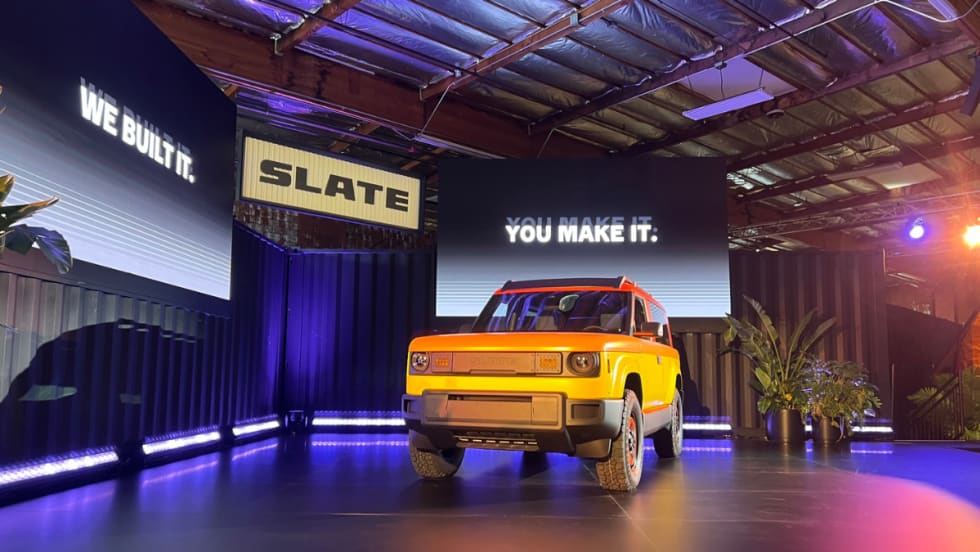
Slate Debuts Colorful, Unique EV Models
A recent media and client event, studded with electric vehicles dressed up on platforms, planted a new position for the manufacturer in the wider EV market. Fleets will find cost-saving advantages.
Read More →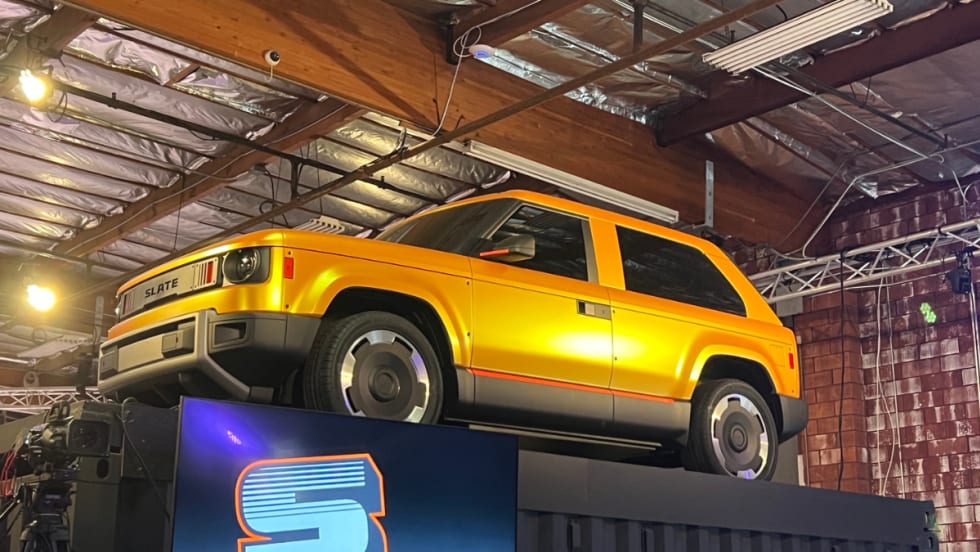
Slate Electric SUV, Pickup Switchable Model Aims For Light-Duty Fleets
Everything about this EV is counterintuitive and understated, making it stand out from the crowd.
Read More →
Inspiration Mobility Acquires Key Electrada Assets
Inspiration Mobility Group has acquired select assets of Electrada, adding the fleet electrification provider's team, technology, and charging infrastructure development capabilities to its energy management business.
Read More →
Turning Connected Vehicle Data Into Decisions That Matter
Fleet leaders have more data than ever, but turning that data into clear, actionable decisions remains a challenge. This white paper shows how leading organizations are using connected vehicle data to improve safety, reduce costs, and optimize fleet performance. Learn how to turn insight into action across your fleet.
Read More →