




UPS Increases Use of Renewable Natural Gas
UPS agreed to purchase 10 million gallon equivalents of renewable natural gas (RNG) per year from Big Ox Energy. This is the largest investment in RNG to date for the company, and the agreement runs through 2024.
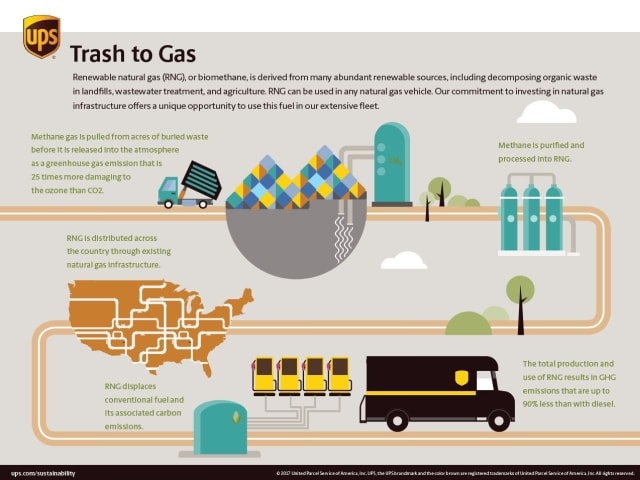
The parcel delivery company is working to increase its usage of renewable natural gas (RNG). Image courtesy of UPS.
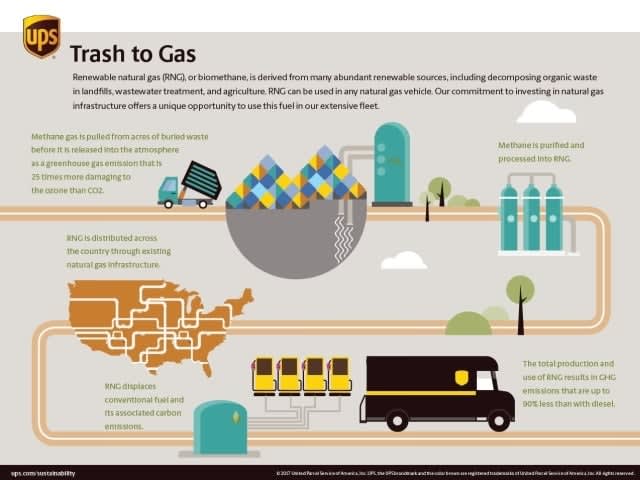
The parcel delivery company is working to increase its usage of renewable natural gas (RNG). Image courtesy of UPS.
UPS agreed to purchase 10 million gallon equivalents of renewable natural gas (RNG) per year from Big Ox Energy. This is the largest investment in RNG to date for the company, and the agreement runs through 2024, UPS announced.
In addition to the agreement with Big Ox, UPS signed a five-year agreement earlier in 2017 with AMP energy for 1.5 million gallon equivalents of RNG per year from the Fair Oaks dairy farm in Indiana. The RNG agreements will help UPS reach a key sustainability goal to have 40% of its ground transportation fleet fueled from sources other than conventional gasoline and diesel by 2025.
“Natural gas is a proven alternative fuel to gasoline and diesel and is a key building block for our goal to reduce greenhouse gas emissions in our ground fleet,” said Mike Casteel, UPS director of fleet procurement. “These agreements add significantly to our investment in the use of RNG and will help put us on track to nearly triple our annual use of RNG. They are also a direct reflection of our ongoing commitment to help shape the renewable natural gas industry.”
RNG, also known as biomethane, can be derived from many abundant and renewable sources, including decomposing organic waste in landfills, wastewater treatment, and agriculture. It is then distributed through the natural gas pipeline system, making it available for use as liquefied natural gas (LNG) or compressed natural gas (CNG).
UPS used 61 million gallons of natural gas in its ground fleet in 2016, which included 4.6 million gallons of RNG and is on track to use 14 million gallons of RNG in 2017. UPS drives more than 5,200 CNG and LNG vehicles in its fleet of alternative fuel and advanced technology vehicles. Earlier this year, UPS announced a more than $90 million investment in natural gas vehicles and infrastructure. This investment included an additional six compressed natural gas (CNG) fueling stations, 390 new CNG tractors and terminal trucks, and 250 liquefied natural gas (LNG) vehicles.
More Fuel
Fuel Prices Surge in September | September Fuel Update
September brought major fuel price swings, including diesel crossing $6 a gallon. Here’s how gas and diesel prices changed throughout the month, and where they stood heading into October.
Read More →
Turning Fleet Payment Data into Executive Insights
Ramel Lindsay of U.S. Bank Voyager discusses how fleets can transform payment and transaction data into actionable intelligence to reduce costs, improve oversight, and support executive decision-making.
Read More →
Why the IRS Raised Its Mileage Rate in the Middle of 2026
Fuel-price volatility drove the rare increase to 76 cents per mile, the fifth midyear adjustment since 2000.
Read More →
July Fuel Update: Prices Keep Rising in Light of More Conflict
Gas prices continue to rise as more and more conflicts do, too.
Read More →
Bob Adamsky on Fuel Volatility: "Don't Panic, Have a Plan."
When it comes to up and down fuel prices, Adamsky has a message for fleets: “Don’t panic.”
Read More →
How Fleets Can Gain Control of Non-Fuel Spend
Fuel often gets the spotlight, but non-fuel expenses can have a major impact on fleet costs. Ramel Lindsay of U.S. Bank Voyager discusses how fleets can gain better visibility and control over these often-overlooked expenditures.
Read More →
Fuel is Just the Start: How Middle East Tensions are Driving Up Fleet Maintenance Costs
The Middle East conflict is doing more than pushing up fuel prices. It’s also raising the cost of key maintenance products your fleet depends on, from motor oil to tires to windshield wipers. Here’s what you need to know about this budget-busting situation.
Read More →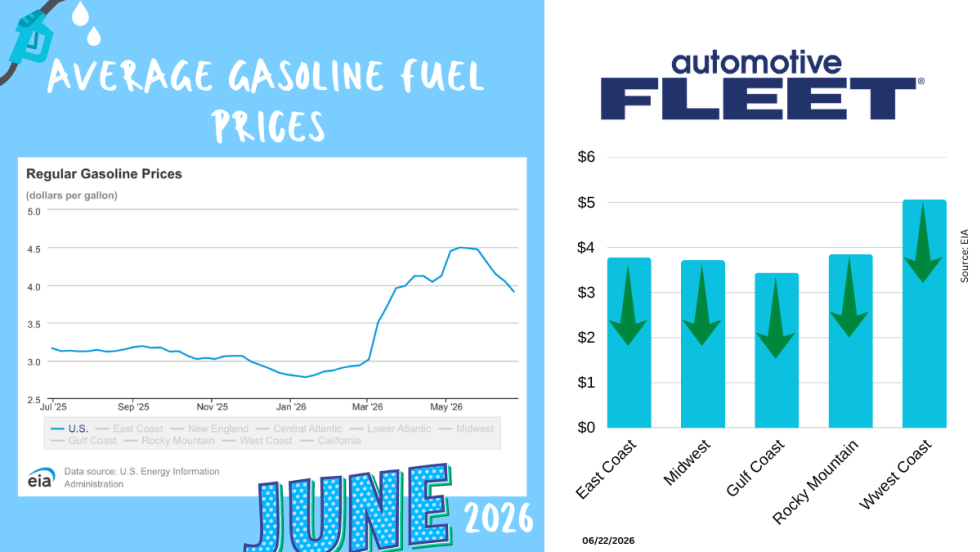
June Fuel Update: Prices Fall Below $4
Drivers are finally getting some relief at the pump. The national average gas price has dropped below $4 a gallon for the first time in months, with prices falling in 47 states as oil markets react to developments in U.S.-Iran negotiations.
Read More →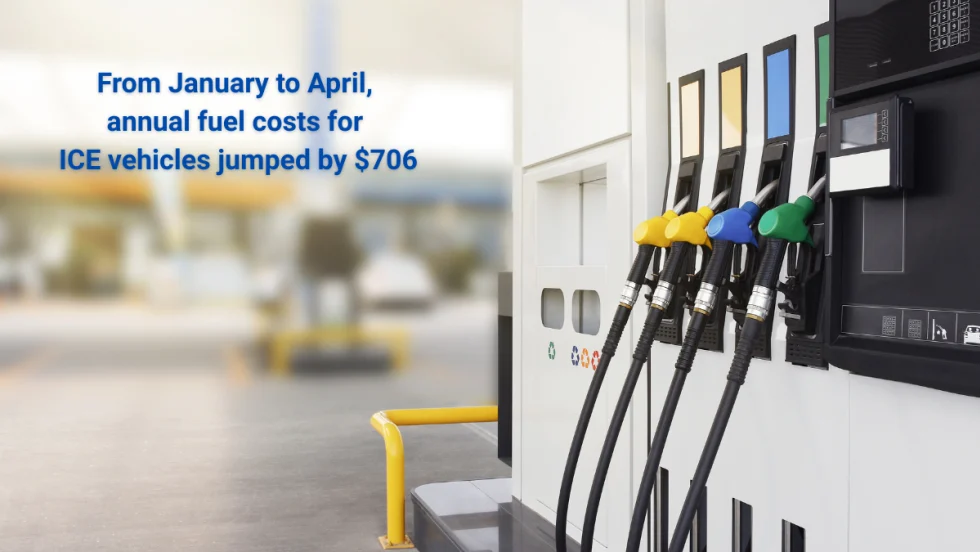
Study: How 2026's Gas Price Hikes Affect Different Vehicle Types
New data from iSeeCars reveals how rising fuel costs have affected different vehicle segments as gasoline prices climbed nearly 46% over the past four months.
Read More →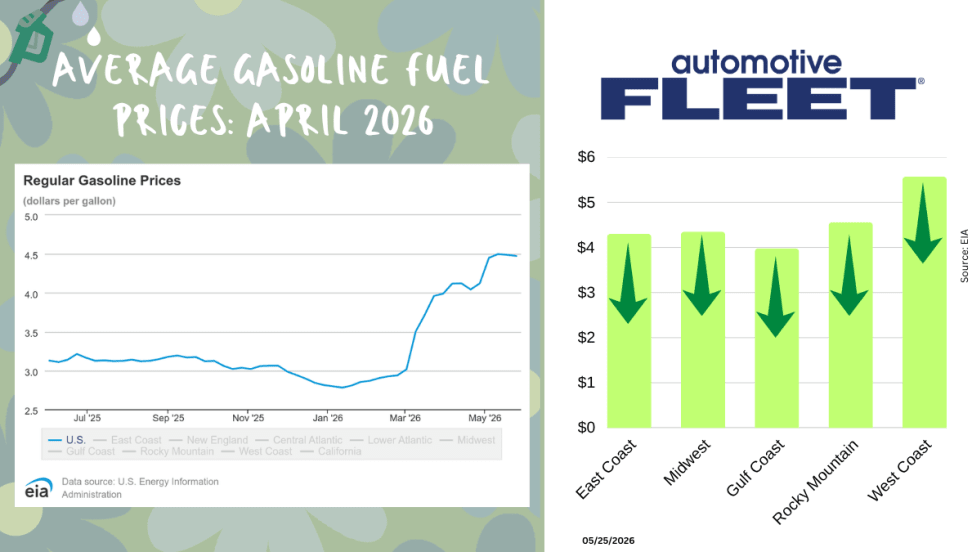
May Fuel Update: All Regions Experience Declines
Gas prices are finally easing in much of the country, but experts warn global tensions could quickly reverse the trend as the national average remains well above last month’s levels.
Read More →