




UPS Expands Green Fleet with 306 Alternative-Fuel Vehicles
ATLANTA --- UPS announced it was adding 306 alternative fuel vehicles to its "green fleet" by placing an order for 167 compressed natural gas (CNG) delivery trucks while taking delivery of 139 new propane delivery trucks in North America.
ATLANTA --- UPS announced it was adding 306 alternative-fuel vehicles to its "green fleet" by placing an order for 167 compressed natural gas (CNG) delivery trucks while taking delivery of 139 new propane delivery trucks in North America. Additionally, the company has launched an initiative to use biodiesel fuel in its ground support vehicles at the UPS Worldport air hub in Louisville. The CNG trucks will be deployed early next year in Dallas, Atlanta and four California cities --- Los Angeles, Ontario, San Ramon and Fresno. They will join more than 800 such vehicles already in use in the United States. The propane vehicles are joining nearly 600 propane trucks already operating in Canada and Mexico. "While there's a great deal of interest in the research we're doing with new types of hybrids, 70 years of testing alternative-fuel vehicles has taught us there are multiple technologies that can effectively reduce our dependence on fossil fuels as well as our carbon footprint," said Robert Hall, UPS's director of vehicle engineering. "Adding this many propane and CNG vehicles is going to have a very positive impact." UPS's global alternative-fuel fleet now stands at 1,629 vehicles --- the largest such private fleet in the transportation industry --- and includes CNG, liquefied natural gas, propane and electric and hybrid electric vehicles. The company also is working with the Environmental Protection Agency on a hydraulic hybrid delivery vehicle. The propane and CNG trucks currently in the UPS fleet were converted from gasoline and diesel vehicles in the 1980s to run on alternative fuels. The new trucks are originally manufactured for alternative fuel use. The chassis for the CNG trucks are being purchased in two sizes from Freightliner Custom Chassis Corp. The trucks will feature engines from Cummins Westport that are expected to yield a 20 percent emissions reduction and 10 percent improvement in fuel economy over the cleanest diesel engines available in the market today. The truck bodies will be identical externally to the brown trucks that now compose the UPS fleet and will be marked as CNG vehicles. The new propane-powered vehicles were manufactured by Workhorse Custom Chassis and feature the latest technology in clean-burning propane engines provided by Baytech Corp. Propane vehicles emit about one-third fewer reactive organic gases than gasoline-fueled vehicles. Nitrogen oxide and carbon monoxide emissions also are 20 percent and 60 percent less, respectively, than conventional vehicles. The UPS propane vehicles will run on liquefied petroleum gas (LPG) provided at eight on-site fueling stations at UPS facilities in Canada. LPG is derived from petroleum during oil or natural gas processing and is cleaner-burning than regular gasoline. The biodiesel initiative in Louisville is being launched with the support of a $515,000 federal grant that is helping offset some of the cost of building a fuel infrastructure at the airport. The infrastructure will provide a 5 percent biodiesel blend of fuel to run 366 ground support vehicles starting early next year. UPS also has purchased and is operating nearly 20,000 low-emission conventional vehicles. These vehicles have regular gas- and diesel-powered engines but employ the very latest technology and manufacturing techniques to reduce emissions as much as possible.
More Fuel

Fuel is Just the Start: How Middle East Tensions are Driving Up Fleet Maintenance Costs
The Middle East conflict is doing more than pushing up fuel prices. It’s also raising the cost of key maintenance products your fleet depends on, from motor oil to tires to windshield wipers. Here’s what you need to know about this budget-busting situation.
Read More →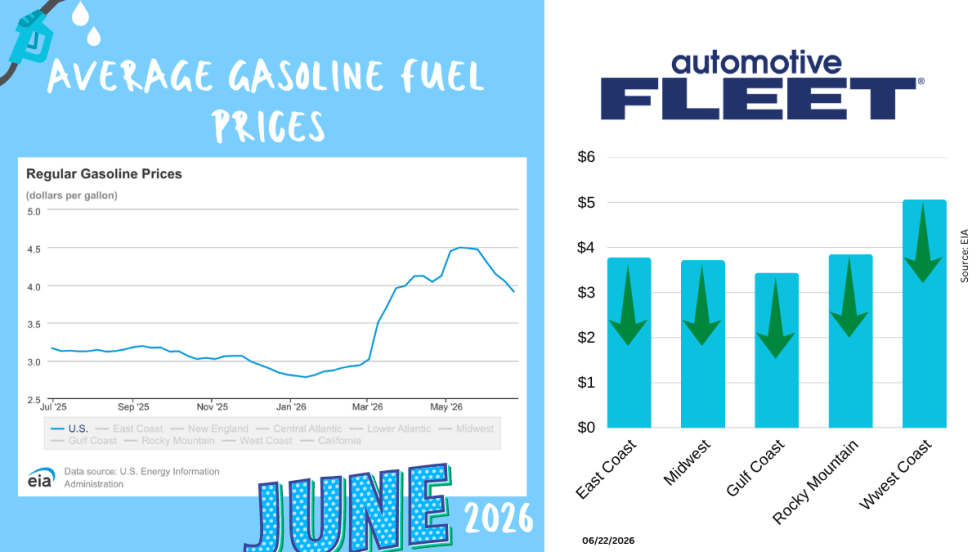
June Fuel Update: Prices Fall Below $4
Drivers are finally getting some relief at the pump. The national average gas price has dropped below $4 a gallon for the first time in months, with prices falling in 47 states as oil markets react to developments in U.S.-Iran negotiations.
Read More →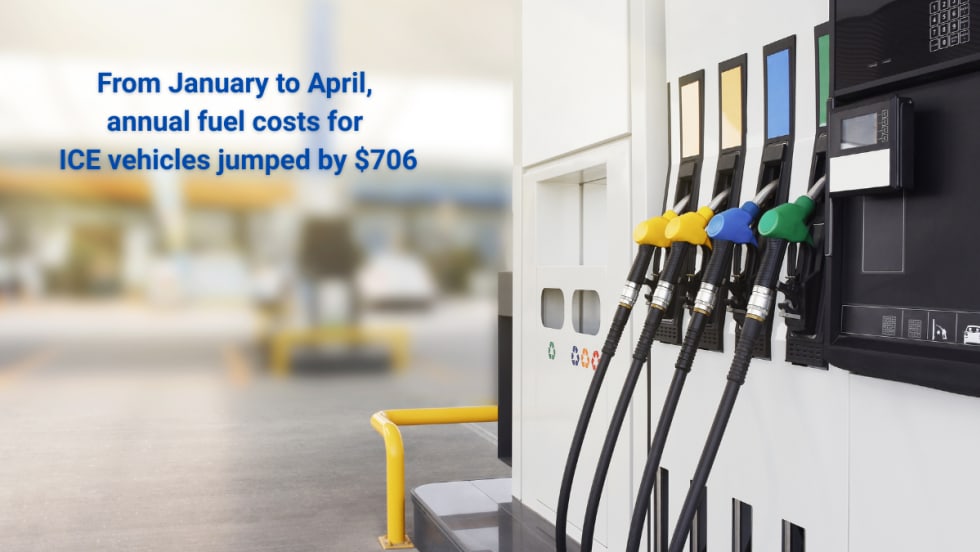
Study: How 2026's Gas Price Hikes Affect Different Vehicle Types
New data from iSeeCars reveals how rising fuel costs have affected different vehicle segments as gasoline prices climbed nearly 46% over the past four months.
Read More →
Are You Tracking Your Fleet's True Total Cost of Ownership?
Bobit Business Media surveyed 190 fleet professionals and found that while most fleets are tracking costs, fragmented systems and data gaps are keeping true TCO visibility out of reach. With rising pressure to control spend in an increasingly volatile environment, the gap between what fleets think they know and what the data actually shows is wider than you might expect. See how your peers are managing costs today and where the industry still has room to improve.
Read More →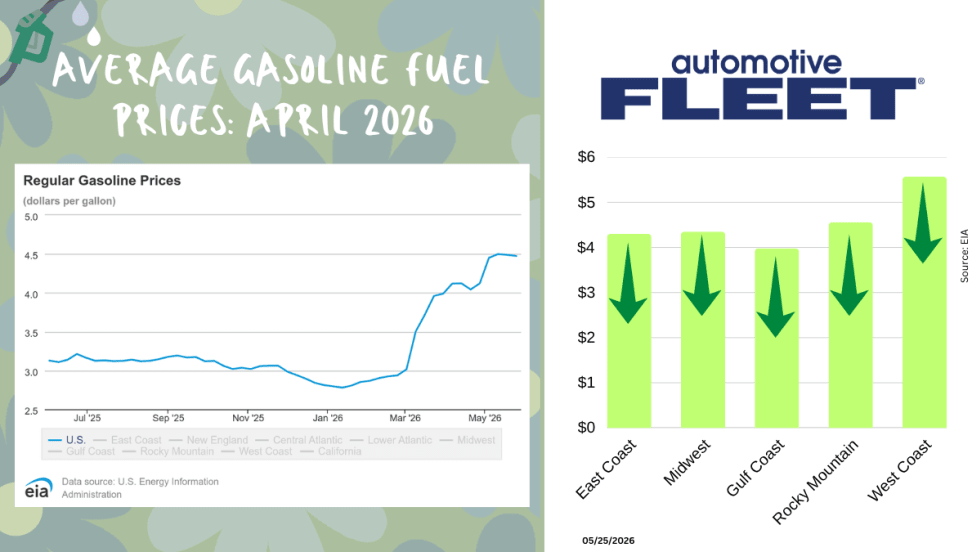
May Fuel Update: All Regions Experience Declines
Gas prices are finally easing in much of the country, but experts warn global tensions could quickly reverse the trend as the national average remains well above last month’s levels.
Read More →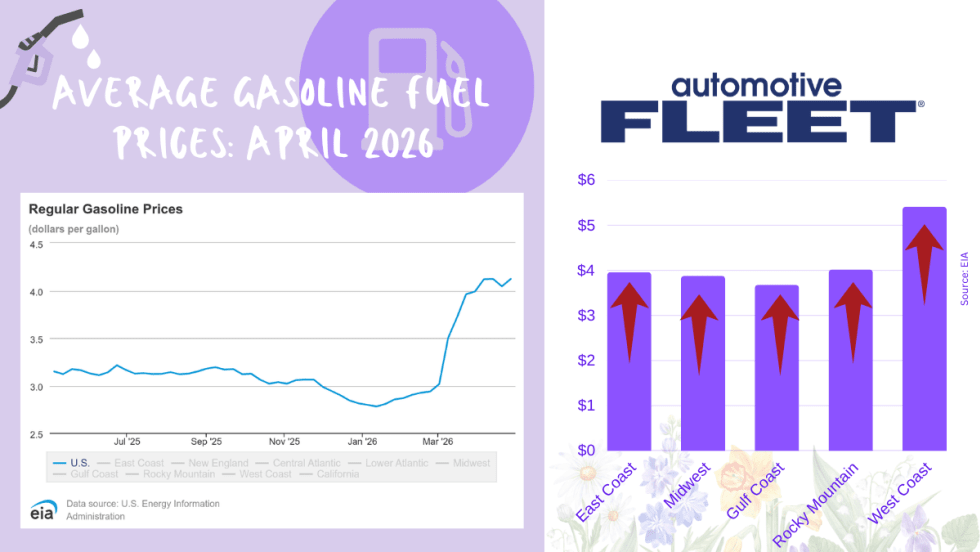
April Fuel Update: Prices Climb Above $4 as Spring Surge Accelerates
National average jumps to $4.04 per gallon, up sharply from last year, with West Coast prices topping $5 and further increases expected amid rising oil tensions.
Read More →
Tips from Fleet Managers on Saving Fuel Costs
Fleet leaders share practical strategies to reduce fuel spend through smarter policy, routing, and driver guidance.
Read More →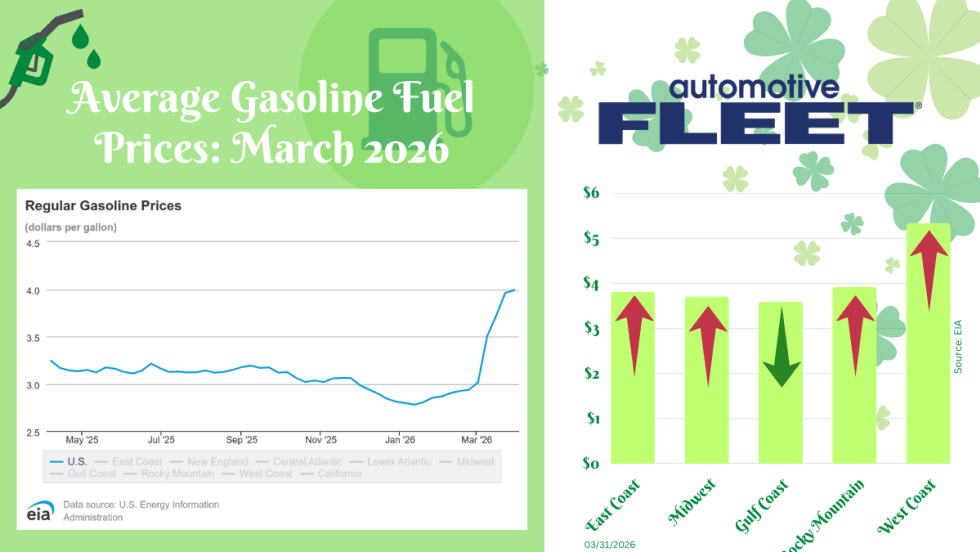
March Fuel Update: Prices Settle With a $4 Average
Fuel prices significantly slowed this week, but a $4 national average is still expected.
Read More →
Bob Adamsky on Fuel Volatility: “Don’t Panic — Have a Plan”
With oil prices rising again, AWP Safety’s fleet manager shares how to respond to rising fuel costs and how the right strategy can turn fuel spikes into cost-saving opportunities.
Read More →
Oil Market Turbulence Is Complicating Fleet Cost Planning
Rapid swings in crude oil prices driven by the conflict in the Middle East could create longer-term cost pressures for fleets, affecting fuel prices, supply chains, and vehicle strategy, says NTEA’s Andrew Wrobel.
Read More →