




UPS Becomes Charter Member of National Clean Fleets Partnership
LANDOVER, MD - During President Obama's visit to a UPS facility in Landover, UPS and other companies with large fleets became charter members of the National Clean Fleets Partnership.
LANDOVER, MD – President Obama spoke to a crowd of more than 300 employees and representatives from major U.S. companies at UPS’ facility in Landover where he praised efforts to reduce the environmental impact of corporate fleets.
Chairman and CEO Scott Davis welcomed President Obama to UPS, which with its "rolling laboratory" of nearly 2,000 alternative fuel vehicles was chosen to host the event. Pepsi-Frito Lay, Verizon, and AT&T also showcased their alternative fuel fleets for the President. Those companies joined UPS and FedEx in becoming charter members of the National Clean Fleets Partnership.
"If you're a business that needs to transport goods, I'm challenging you to replace your old fleet with a clean energy fleet that's not only good for your bottom line, but good for our economy, good for our country and good for our planet," said Obama.
The companies, which operate more than 275,000 vehicles combined, pledged to support the Administration's energy security efforts and to develop new alternative fuel technologies in tandem with the government.
"Making the transition to a clean energy economy will help us... in two very important ways," Obama added. "First, it reduces the chance that our families, our businesses and our economy will be held hostage to the whims of the oil market. Second, investments in clean energy have the potential to create an untold number of new jobs and new industries right here in the United States."
During the event, UPS’ Chief Sustainability Officer Scott Wicker guided President Obama, Energy Secretary Steven Chu and Transportation Secretary Ray LaHood on a tour of UPS vehicles, including plug-in all-electric and compressed natural gas trucks. Those technologies make up only a fraction of an alternative fuel fleet that includes hydraulic hybrid, electric hybrid, propane and liquefied natural gas for heavy trucks.
"Though many hurdles still remain and the path to success will not be easy, the sustainable business benefits of alternative fuels cannot be under-emphasized," said Davis. "We must deal with the short-term problems of cost differentials and infrastructure to prepare for our long-term future."
UPS's alternative fuel fleet recently reached a milestone of 200 million miles traveled since 2000, and for the first time there are alternative fuel and technology choices for virtually all forms of trucks on the ground, the company stated. UPS’ Wicker noted to President Obama during their tour that there is no one-size-fits-all solution currently available for every situation. He said investment in a broad spectrum of choices is vital to ensuring long-term program viability and to making real reductions in foreign petroleum consumption.
More Fuel
Fuel Prices Surge in September | September Fuel Update
September brought major fuel price swings, including diesel crossing $6 a gallon. Here’s how gas and diesel prices changed throughout the month, and where they stood heading into October.
Read More →
Turning Fleet Payment Data into Executive Insights
Ramel Lindsay of U.S. Bank Voyager discusses how fleets can transform payment and transaction data into actionable intelligence to reduce costs, improve oversight, and support executive decision-making.
Read More →
Why the IRS Raised Its Mileage Rate in the Middle of 2026
Fuel-price volatility drove the rare increase to 76 cents per mile, the fifth midyear adjustment since 2000.
Read More →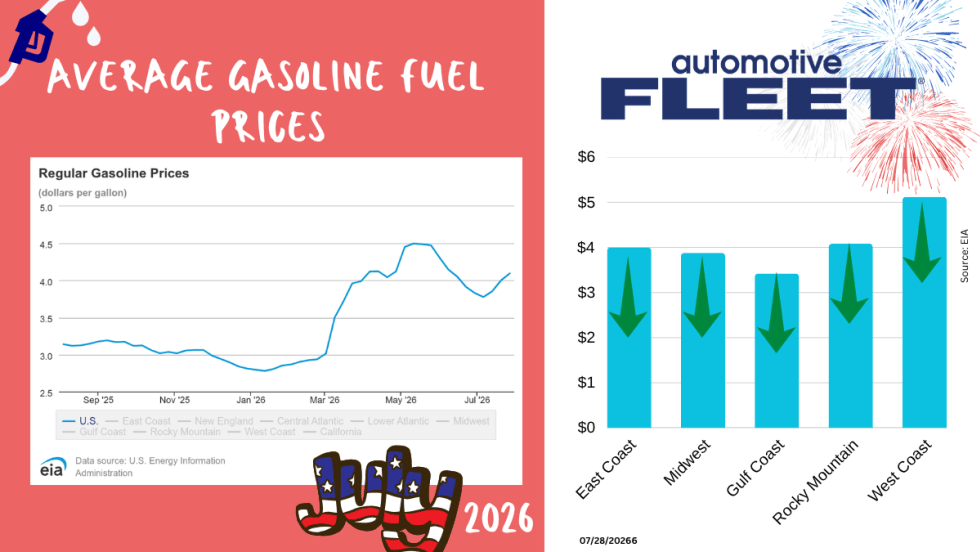
July Fuel Update: Prices Keep Rising in Light of More Conflict
Gas prices continue to rise as more and more conflicts do, too.
Read More →
Bob Adamsky on Fuel Volatility: "Don't Panic, Have a Plan."
When it comes to up and down fuel prices, Adamsky has a message for fleets: “Don’t panic.”
Read More →
How Fleets Can Gain Control of Non-Fuel Spend
Fuel often gets the spotlight, but non-fuel expenses can have a major impact on fleet costs. Ramel Lindsay of U.S. Bank Voyager discusses how fleets can gain better visibility and control over these often-overlooked expenditures.
Read More →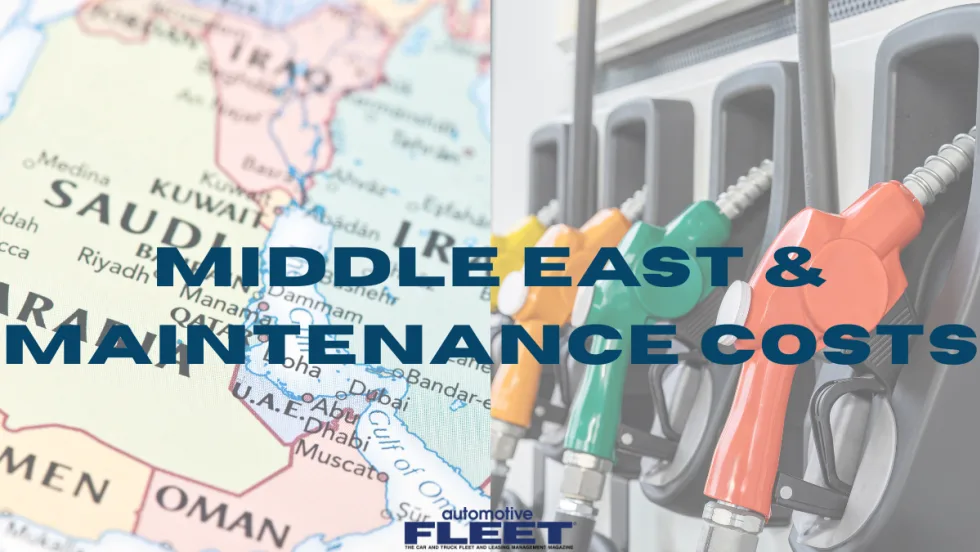
Fuel is Just the Start: How Middle East Tensions are Driving Up Fleet Maintenance Costs
The Middle East conflict is doing more than pushing up fuel prices. It’s also raising the cost of key maintenance products your fleet depends on, from motor oil to tires to windshield wipers. Here’s what you need to know about this budget-busting situation.
Read More →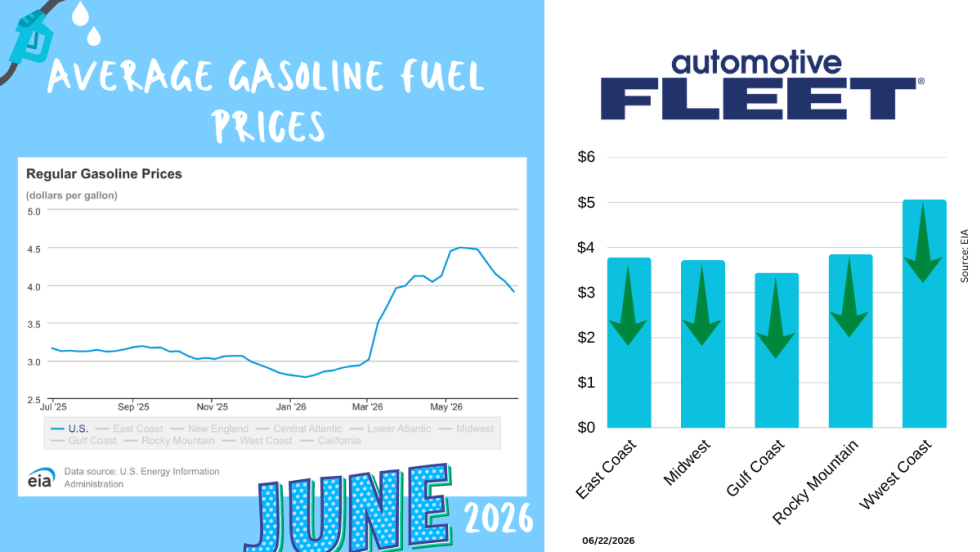
June Fuel Update: Prices Fall Below $4
Drivers are finally getting some relief at the pump. The national average gas price has dropped below $4 a gallon for the first time in months, with prices falling in 47 states as oil markets react to developments in U.S.-Iran negotiations.
Read More →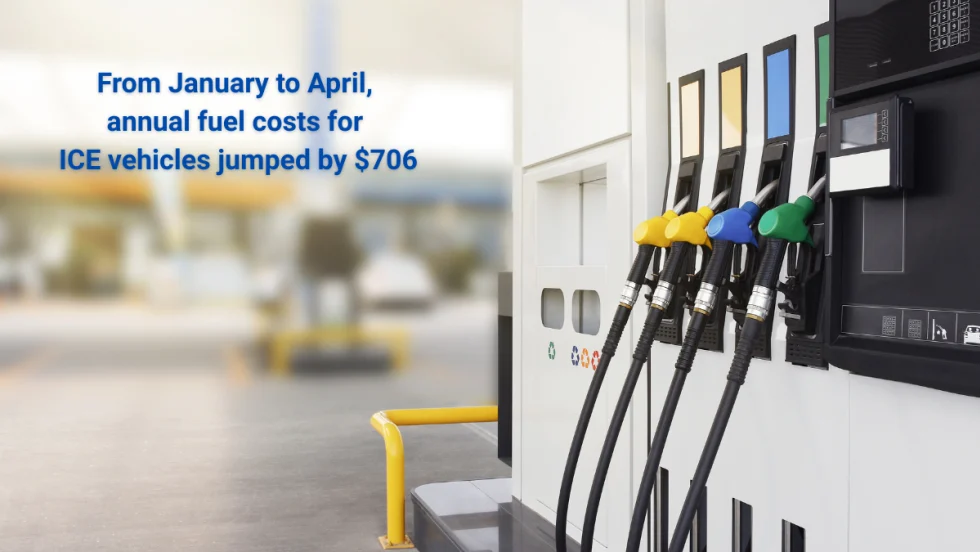
Study: How 2026's Gas Price Hikes Affect Different Vehicle Types
New data from iSeeCars reveals how rising fuel costs have affected different vehicle segments as gasoline prices climbed nearly 46% over the past four months.
Read More →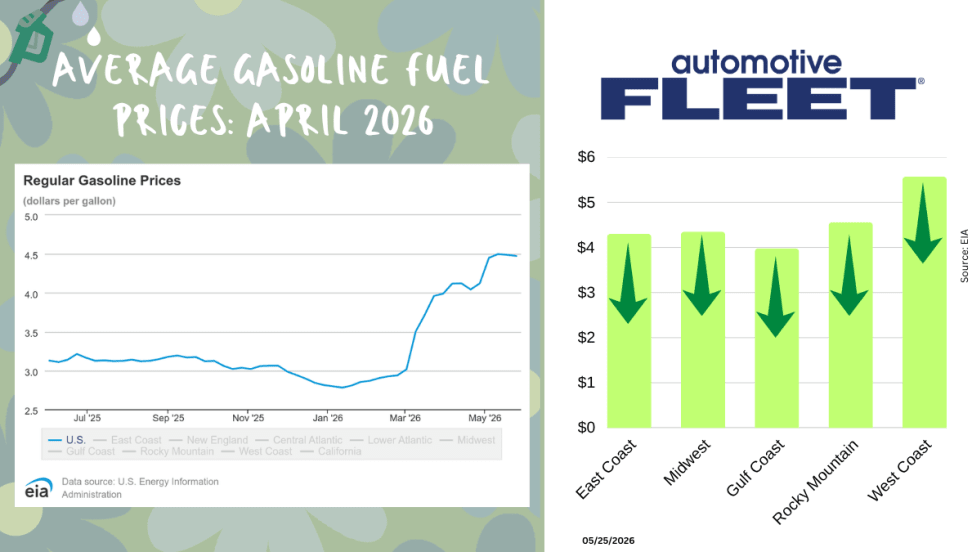
May Fuel Update: All Regions Experience Declines
Gas prices are finally easing in much of the country, but experts warn global tensions could quickly reverse the trend as the national average remains well above last month’s levels.
Read More →