





Learn More: Mining Industry to Lose Dominance as Demand for Automated Trucks Evolves
Twin Metals Minnesota Commits To EV Fleet
Converting the mine’s fleet from previously proposed diesel equipment to electric vehicles will allow Twin Metals to significantly reduce its onsite greenhouse gas emissions (GHG) by 65%.
August 17, 2021
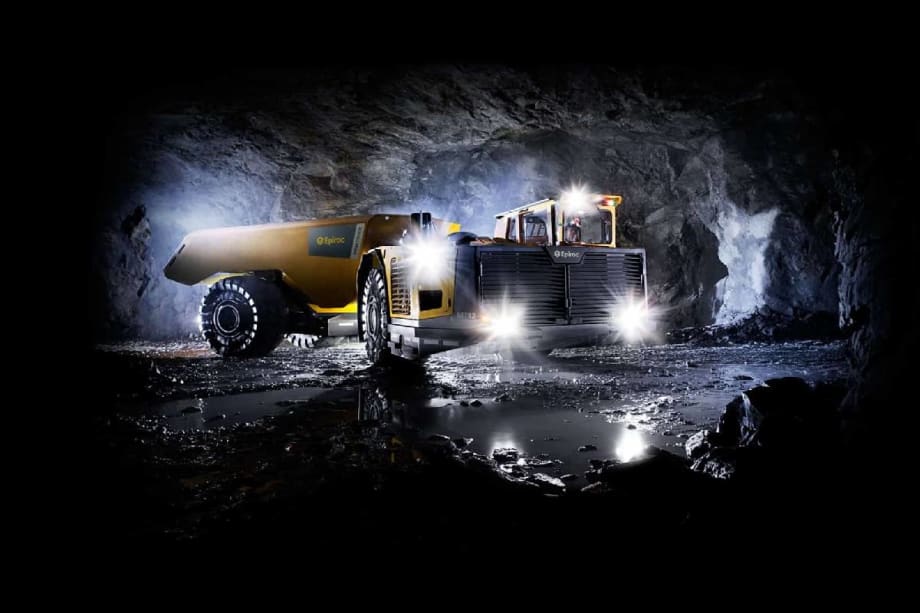
Converting the mine’s fleet from previously proposed diesel equipment to electric vehicles will allow Twin Metals to significantly reduce its onsite greenhouse gas emissions (GHG) by 65%.
Photo: Copyright © Epiroc
1 min to read
Twin Metals Minnesota announced August 12 it will build on its commitment to advancing the nation’s most sustainable and technologically advanced underground mining project by investing in the electrification of its mining and support vehicle fleets. Implementing battery electric vehicle technology is the latest effort by Twin Metals to reduce its project footprint and further minimize environmental impacts.
Converting the mine’s fleet from previously proposed diesel equipment to electric vehicles will allow Twin Metals to significantly reduce its onsite greenhouse gas emissions (GHG) by 65%. Additional benefits include a decrease in power requirements for underground ventilation and heating; a reduction in maintenance needs; noise reduction; and improved worker safety and air quality.
Twin Metals will be the first mine in the state of Minnesota to adopt battery-electric vehicle technology. The planned electric vehicle fleet represents nearly 100% of the mining and large support vehicles for the project. Twin Metals has not yet established contracts with specific battery-electric mining equipment vendors.
Today’s news follows the company’s 2019 announcement that it was shifting to dry stack tailings management in its proposed design. Dry stack and filtered tailings technology remove the need for a dam and is the most sustainable method used to store tailings. Dry stack was endorsed in a 2020 study by MiningWatch, Earthworks, International Council on Mining & Metals, and by more than 140 NGOs.
Originally posted on Work Truck Online
More Green Fleet
Sponsored•October 1, 2026
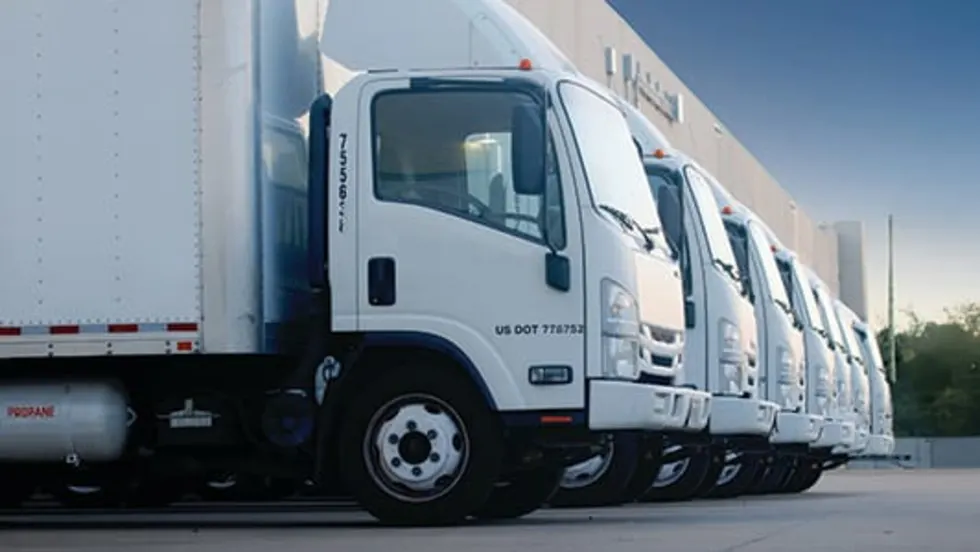
New Propane Autogas Program Offers Fleet Compensation
Qualified commercial fleets can receive $7,500 per eligible propane autogas vehicle and up to $10,000 for new refueling site prep. Learn how the program works and see whether your fleet qualifies.
Read More →
EV Charging Use Is Outpacing Infrastructure Growth
ChargePoint’s 2026 Charging Forward Report points to rising charger use, higher-powered charging, commercial vehicle electrification, and energy-management technology. Here’s what fleets should know.
Read More →
Merchants Fleet Reports 290M EV Miles as Fleets Navigate Changing Electrification Market
From millions in operating savings to hundreds of millions of EV miles, Merchants Fleet’s latest report reveals what’s working and what’s changing in fleet electrification.
Read More →

The EV Breakdown Nobody's Talking About: Why Most Electric Vehicle Roadside Calls Aren't Mechanical Failures
Here's why EV breakdowns are widely misunderstood.
Read More →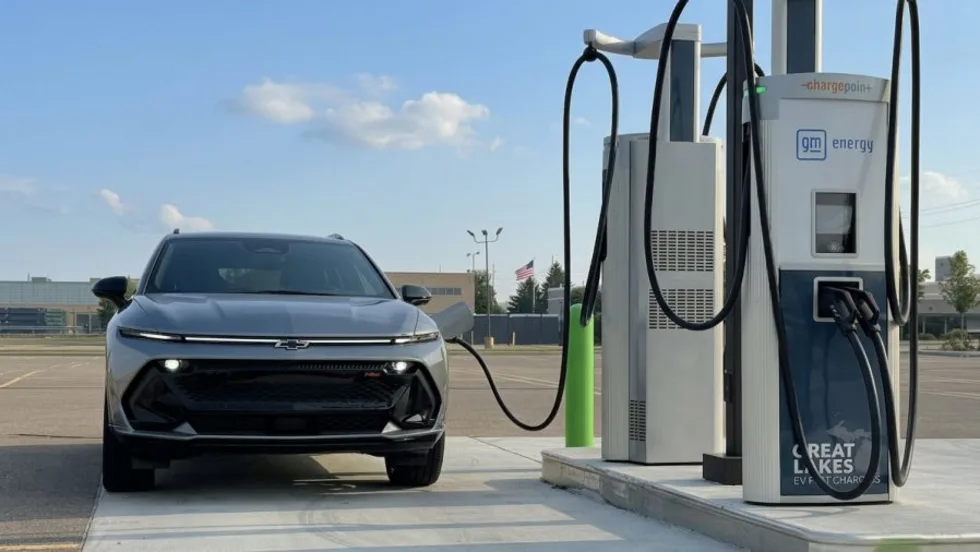
ChargePoint Now Available in Energy Pass
ChargePoint and additional planned charging network integrations were added to GM's Energy Pass.
Read More →
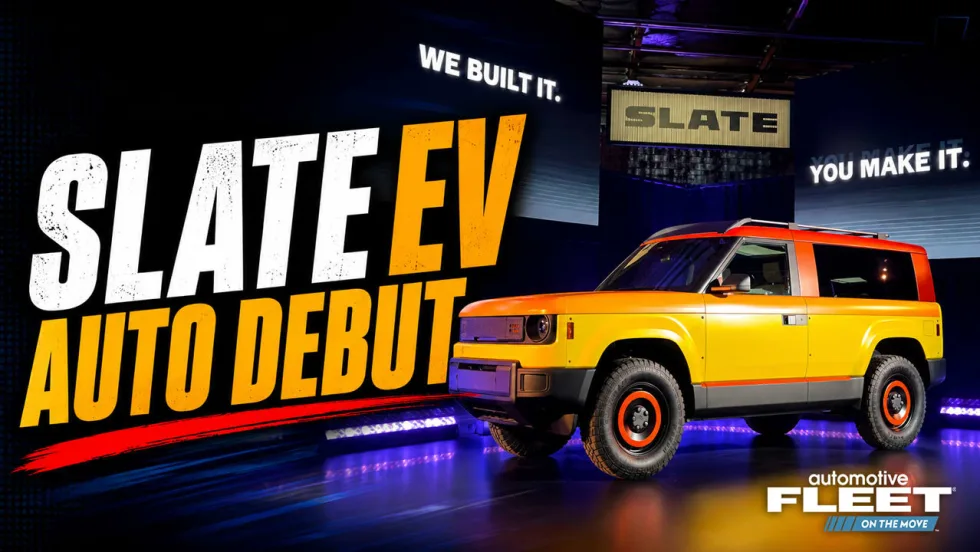
First Look: Slate Auto's Electric Fleet Pickup
Could an affordable, modular EV pickup make electrification more practical for fleets?
Read More →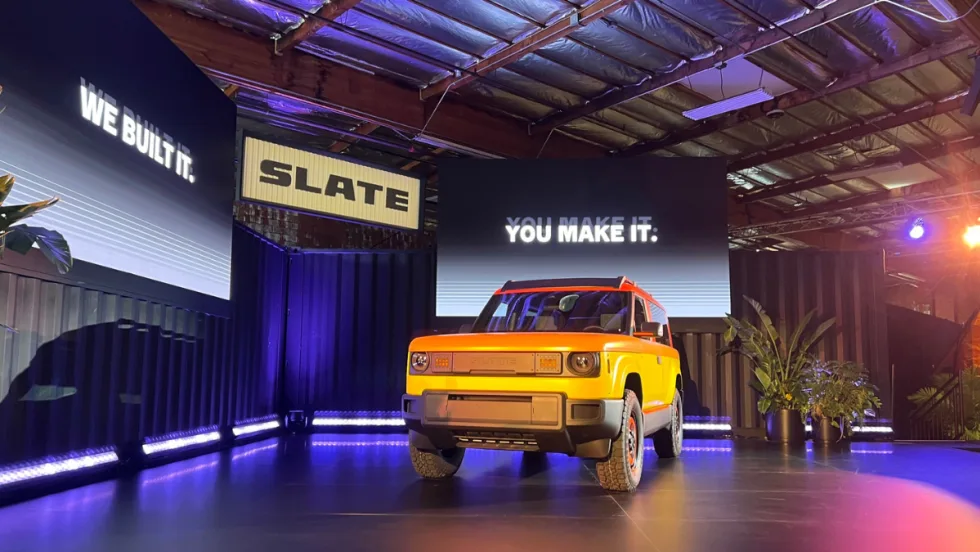
Slate Debuts Colorful, Unique EV Models
A recent media and client event, studded with electric vehicles dressed up on platforms, planted a new position for the manufacturer in the wider EV market. Fleets will find cost-saving advantages.
Read More →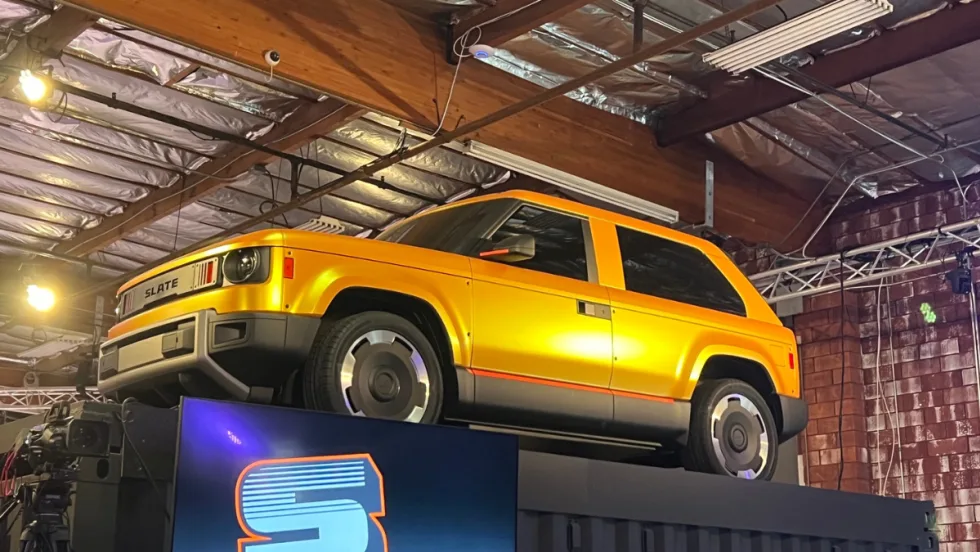
Slate Electric SUV, Pickup Switchable Model Aims For Light-Duty Fleets
Everything about this EV is counterintuitive and understated, making it stand out from the crowd.
Read More →
Inspiration Mobility Acquires Key Electrada Assets
Inspiration Mobility Group has acquired select assets of Electrada, adding the fleet electrification provider's team, technology, and charging infrastructure development capabilities to its energy management business.
Read More →