




Travelers Institute Hosts Distracted Driving Events
"Every Second Matters," an educational event series for the public and designed to curtail distracted driving, kicked off in Hartford, Conn. on Sept. 25, with several future events planned in the U.S. and Canada.

"Every Second Matters," an educational event series for the public and designed to curtail distracted driving, kicked off in Hartford, Conn., on Sept. 25, with several future events planned in the U.S. and Canada.
Developed by the Travelers Institute, the public policy division of the Travelers Company, Inc., the event series will focus on the serious risks and consequences linked to distracted driving. It examines the unexpected causes of distractions behind the wheel and encourages all drivers to eliminate disruptions in an effort to make the roadways safer for all.
The initial event was held in partnership with the Connecticut Transportation Safety Research Center, the Connecticut Department of Transportation, the National Safety Council, and the Road to Zero Coalition.
According to the National Highway Traffic Safety Administration (NHTSA), nearly 3,500 people lost their lives to distracted driving in 2016 alone.
The overarching goal of the new "Every Second Matters"program is to educate people about the dangers of distracted driving behaviors — from swiping on a cell phone to applying lipstick at a traffic light — and provide them with real ways to stay focused on the road.
"Drivers today have more distractions than ever, and it's not just mobile devices that take their attention away from the road," said Joan Woodward, executive vice president of public Policy and president of the Travelers Institute. "Whether drivers are texting, changing a song on the radio or eating, anything that takes their eyes or their mind off the road for even one second can cause a collision."
The "Every Second Matters" series brings together community leaders, researchers and professionals from the public and private sectors to explore why drivers are losing focus, the role of technology in creating and reducing distractions and the opportunities everyone has as a driver, passenger, cyclist or pedestrian to improve safety on our roadways.
Future events will take place this fall in the following cities and universities:
Tuesday, Sept. 25: Dunkin' Donuts Park, Hartford, Conn.
Wednesday, Sept. 26: Risk and Insurance Management Society Conference, St. John's, Newfoundland
Wednesday, Oct. 3 – University of Calgary
Saturday, Oct. 6 – Gamma Iota Sigma International Conference, Chicago
Thursday, Oct. 25 – St. John's University, New York
Tuesday, Dec. 11 – University of Pennsylvania, Philadelphia
More Safety
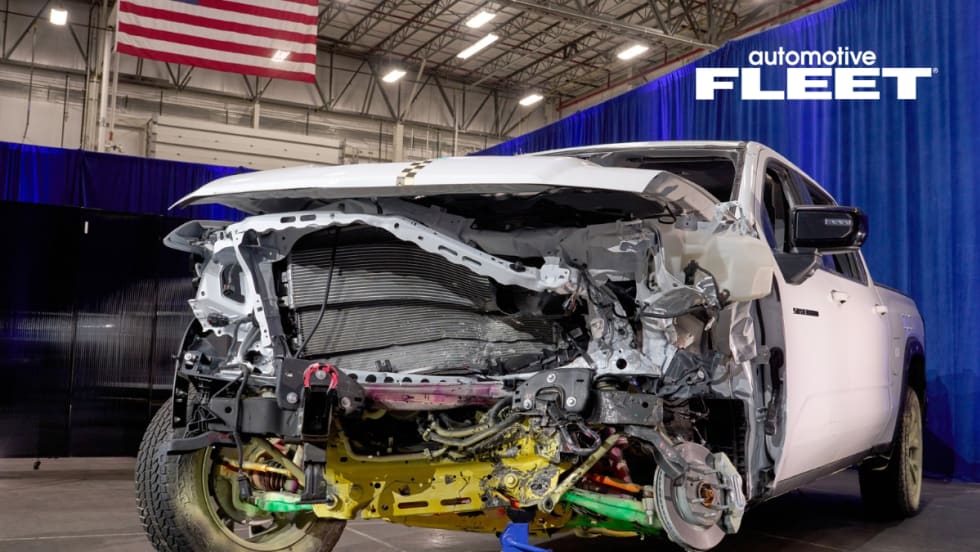
GM Conducts 92,000 Virtual Crash Tests for 2027 Chevrolet Silverado 1500
General Motors used computer simulations to evaluate crash scenarios, occupant protection and vehicle design variations before conducting physical crash tests.
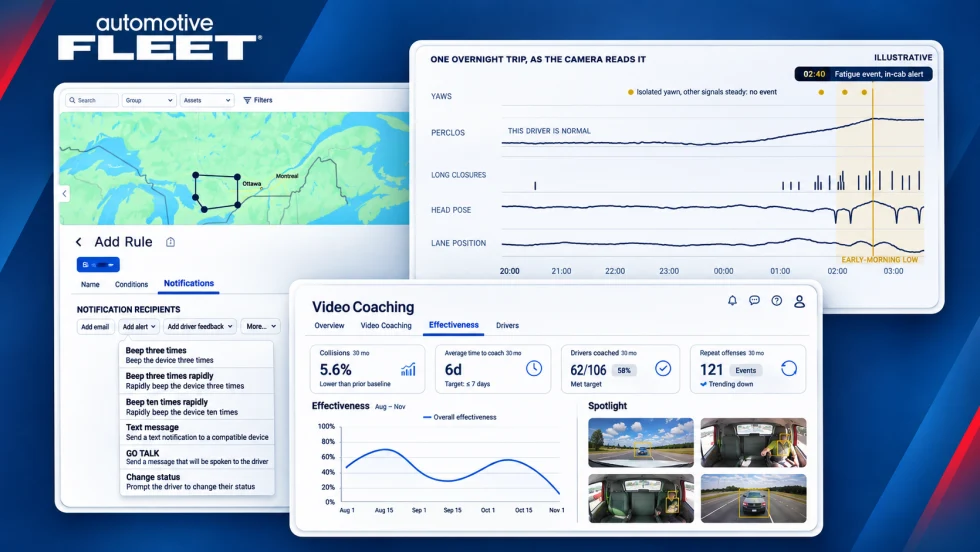
Geotab Adds AI-Powered Driver Coaching and Fatigue Detection Features
New capabilities include fatigue monitoring, two-way audio, coaching effectiveness analytics and location-based privacy controls for fleet safety management.
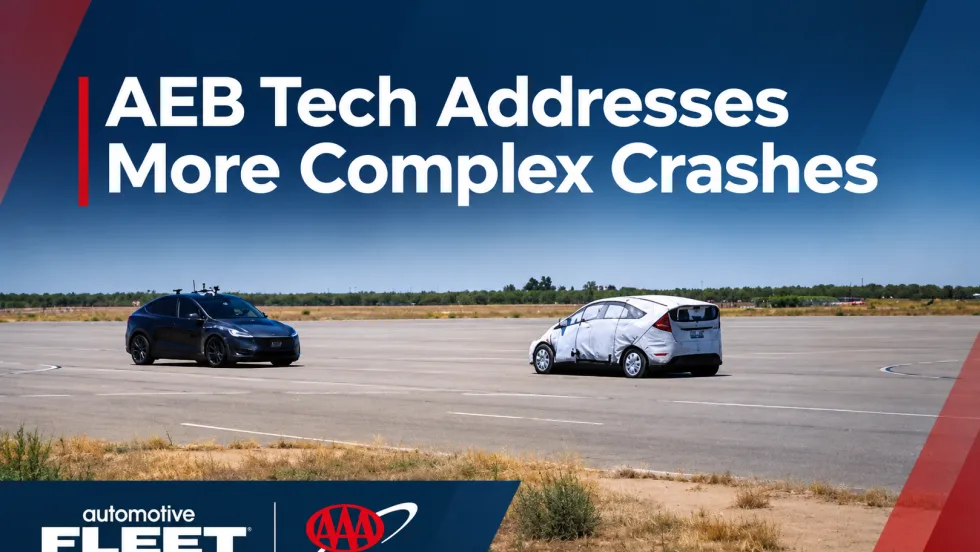
AAA Testing Finds Gaps in Intersection AEB Crash Prevention
Testing of four 2026 model-year vehicles found that automatic emergency braking prevented collisions in standardized intersection scenarios, but three vehicles failed to avoid crashes when another vehicle turned into their path.
Which Fleet Types Have the Highest Severe Speeding Rates?
New research from SambaSafety finds significant differences in speeding rates across fleet industries, even as nearly 90% of surveyed fleets report using telematics.
When a Cyberattack Hits Your Fleet: What Happens Next?
“You have two opportunities to test your plans: when you choose or when the threat actor chooses.” A cybersecurity expert reveals what fleet managers need to know before a cyberattack puts their operations at risk — and why the decisions made in the first moments can shape the entire recovery.
Tips for Driving Safely on Halloween Night
This video features a reminder from the Connecticut Department of Transportation (DOT) and the Connecticut Police Chiefs Association, urging drivers to prioritize safety this Halloween.
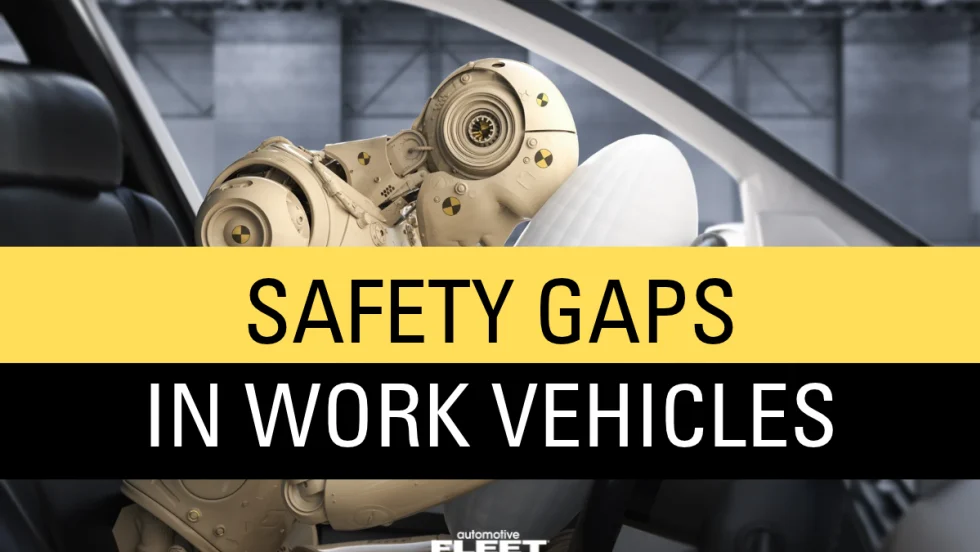
IIHS Crash Avoidance Tests Reveal Safety Gaps in Cargo Vans and Work Trucks
New IIHS crash avoidance ratings show uneven performance among cargo vans and heavy-duty pickups, with most struggling to avoid vehicle-to-vehicle collisions.
What’s Next for Fleet? Safety, AI & Industry Recognition | AF News Recap
Could your company's culture be encouraging distracted driving? This week, we're exploring how workplace expectations affect driver safety, what AI, EVs, and autonomous vehicles could mean for the future of fleet management, and how fleet professionals can strengthen their award nominations.

Does Your Fleet's Culture Encourage Distracted Driving?
What happens when the people responsible for enforcing safety rules are the ones setting the wrong example? The answer may reveal why some of the biggest risks to fleet drivers have little to do with what's written in the employee handbook.
Fleet Manager’s Ultimate Playbook: Navigating the New Standard in OEM Connectivity
Rising operating costs, driver safety concerns, and unplanned downtime are putting unprecedented pressure on modern fleets. Discover how fleet managers use embedded OEM connectivity and real-time vehicle data to cut TCO, prevent downtime, and protect drivers without aftermarket telematics hardware.