




Toyota Gives Estimate on Cost of Hydrogen for FCV
End-users are getting a first look at the estimated cost of filling the hydrogen tank on Toyota's new fuel-cell powered sedan, which is set to debut next summer in California.
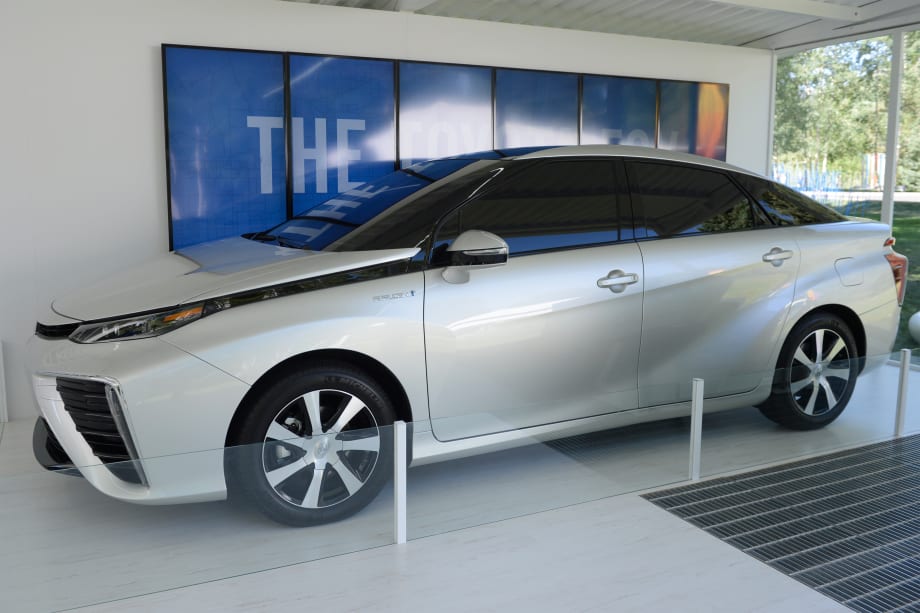
Photo courtesy of Toyota.
Photo courtesy of Toyota.
End-users are getting a first look at the estimated cost of filling the hydrogen tank on Toyota's new fuel-cell powered sedan, which is set to debut next summer in California.
During the JP Morgan Auto Conference in New York earlier this week, Toyota senior vice president Bob Carter said the Department of Energy estimates the fuel cost to travel 300 miles in the automaker's new FCV at $50, although that amount is expected to drop to about $30 — or 10 cents a mile — over time.
If that estimate holds, the hydrogen fuel-cell vehicle would be more expensive to fuel than more-conventional cars when it makes its debut.
With gasoline now costing around $3.50 a gallon nationally, a car that gets 25 mile per gallon requires $42 in fuel to travel 300 miles, while a gasoline-electric hybrid that gets 45 mpg needs $23.33 in fuel.
One of the selling points for the fuel cell vehicle, according to Carter, is that is can be refilled in about three minutes — much like the current experience for drivers — rather than either the overnight or 30-minute quick charges for all-electric vehicles.
However, those electric vehicles still appear to be the most economical to drive, with a 300-mile charge for a Tesla Model S — the only all-electric that can match the FCV’s range — estimated to cost $11.88, based on the national average rate of 12 cents per kilowatt-hour.
When the FCV is rolled out in California next year, the first in a network of hydrogen stations operated by First Element Fuels and Linde will be available, one of the reasons a new report from the UC Davis Institute of Transportation Studies (ITS) is more positive about hydrogen's future.
ITS researchers have calculated that it will take an initial investment of $100 million to $200 million in support of 100 stations to serve 50,000 vehicles to make hydrogen cost-competitive with gasoline. In the report, they note that level of investment is on the horizon in California, as well as Japan and Germany.
"In many respects, hydrogen fuel cell cars offer consumer value similar or superior to today's gasoline cars," said Joan Ogden, the lead author of the study. "The technology readily enables large vehicle size, a driving range of 300-400 miles, and a fast refueling time of three to five minutes."
More Green Fleet
New Propane Autogas Program Offers Fleet Compensation
Qualified commercial fleets can receive $7,500 per eligible propane autogas vehicle and up to $10,000 for new refueling site prep. Learn how the program works and see whether your fleet qualifies.
Read More →
EV Charging Use Is Outpacing Infrastructure Growth
ChargePoint’s 2026 Charging Forward Report points to rising charger use, higher-powered charging, commercial vehicle electrification, and energy-management technology. Here’s what fleets should know.
Read More →
Merchants Fleet Reports 290M EV Miles as Fleets Navigate Changing Electrification Market
From millions in operating savings to hundreds of millions of EV miles, Merchants Fleet’s latest report reveals what’s working and what’s changing in fleet electrification.
Read More →
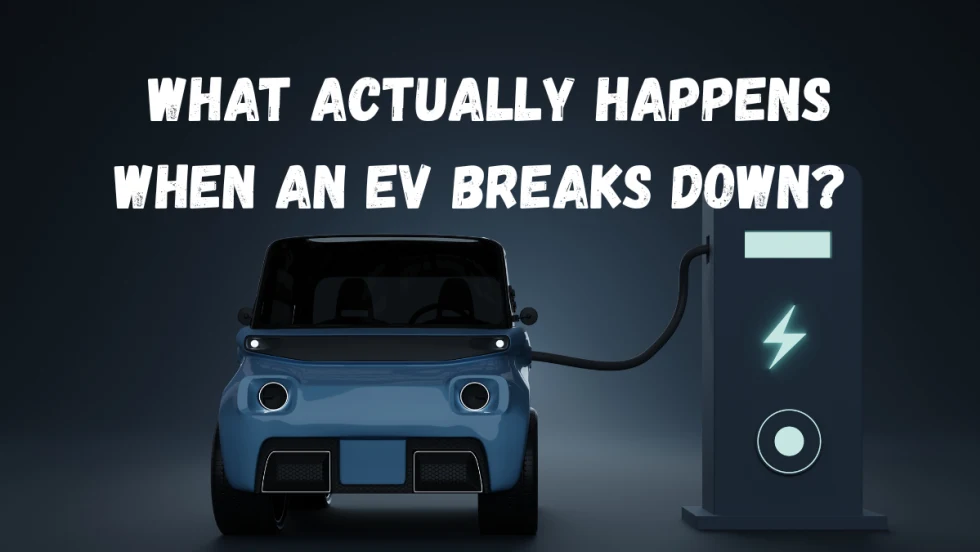
The EV Breakdown Nobody's Talking About: Why Most Electric Vehicle Roadside Calls Aren't Mechanical Failures
Here's why EV breakdowns are widely misunderstood.
Read More →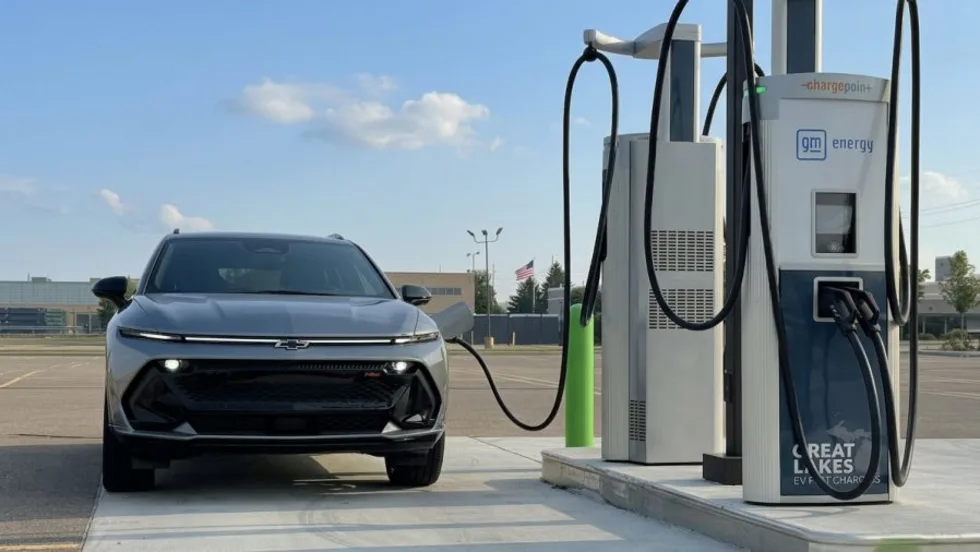
ChargePoint Now Available in Energy Pass
ChargePoint and additional planned charging network integrations were added to GM's Energy Pass.
Read More →

First Look: Slate Auto's Electric Fleet Pickup
Could an affordable, modular EV pickup make electrification more practical for fleets?
Read More →
Slate Debuts Colorful, Unique EV Models
A recent media and client event, studded with electric vehicles dressed up on platforms, planted a new position for the manufacturer in the wider EV market. Fleets will find cost-saving advantages.
Read More →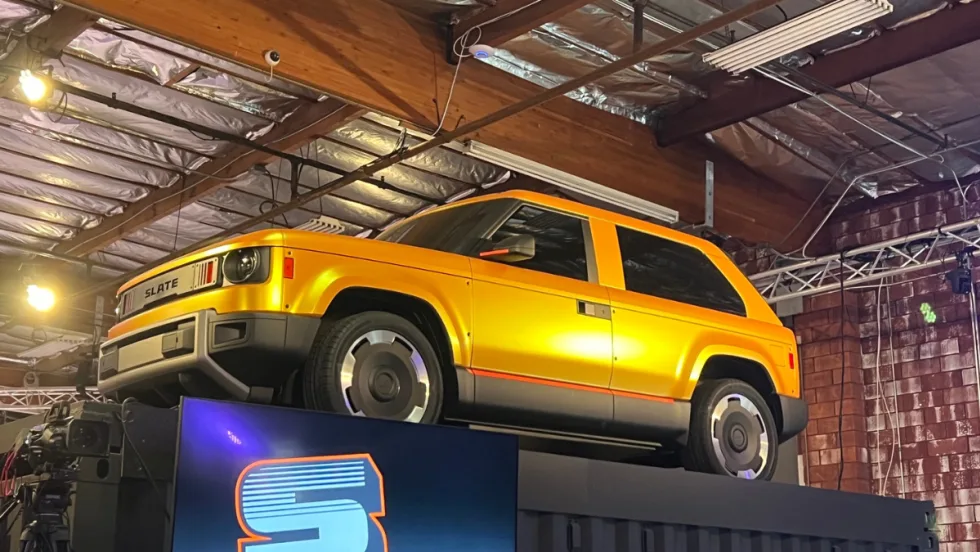
Slate Electric SUV, Pickup Switchable Model Aims For Light-Duty Fleets
Everything about this EV is counterintuitive and understated, making it stand out from the crowd.
Read More →
Inspiration Mobility Acquires Key Electrada Assets
Inspiration Mobility Group has acquired select assets of Electrada, adding the fleet electrification provider's team, technology, and charging infrastructure development capabilities to its energy management business.
Read More →