




Toyota and Lexus Tax Credits for Hybrids Will Soon Be Cut in Half, and Disappear Entirely by October 2007
WASHINGTON, D.C. – Toyota Motor Corp. has hit the production limit — 60,000 — on vehicles eligible for a special tax credit designed to encourage more buyers to choose gas-electric hybrids. Toyota spokeswoman Martha Voss said that the automaker sold its 60,000th such vehicle in May.
WASHINGTON, D.C. – Toyota Motor Corp. has hit the production limit — 60,000 — on vehicles eligible for a special tax credit designed to encourage more buyers to choose gas-electric hybrids. Toyota spokeswoman Martha Voss said that the automaker sold its 60,000th such vehicle in May. That means tax credits for Toyota and Lexus hybrids will be cut in half for drivers who purchase their vehicles beginning in October, Voss said. The $3,150 credit for the Toyota Prius, the largest hybrid tax credit available, would be reduced to $1,575. Six months later, beginning next April, the tax credits will shrink to one-quarter of their original value. They will disappear by October 2007. Taxpayers could still claim a full tax credit for purchasing hybrids made by other manufacturers, such as Honda Motor Co., Ford Motor Co., and General Motors Corp., until those manufacturers trigger the credit limits or the tax break expires in 2011. The tax break lets buyers claim a credit worth up to $3,400 for purchasing new hybrids, but the law limited that tax credit to the first 60,000 vehicles that a manufacturer produces. After the manufacturer hits that limit, the full credit is available only through the next quarter. The credit then shrinks to half its value for six months, and then to one-quarter for another six months, before disappearing entirely. Toyota hybrid sales have outpaced other hybrid manufacturers. The IRS, which tracks hybrid production for taxpayers, certified that Toyota sold 41,779 hybrids from January through March this year. During the same period, Honda sold 9,072 hybrids and Ford sold 6,192. President Bush asked Congress to make all hybrid vehicles sold this year eligible for the tax break, one element of a proposal to reduce oil and gas consumption. Yet, Congress has yet to act on this proposal.
More Fuel
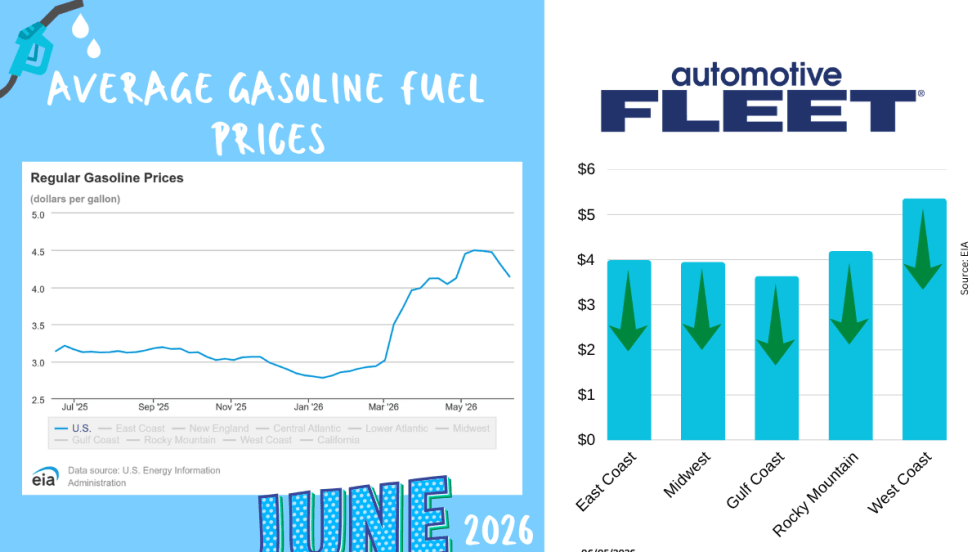
June Fuel Update: Prices Continue to Fall
While prices have continued to decline for four straight weeks, the next weeks don't look as promising.
Read More →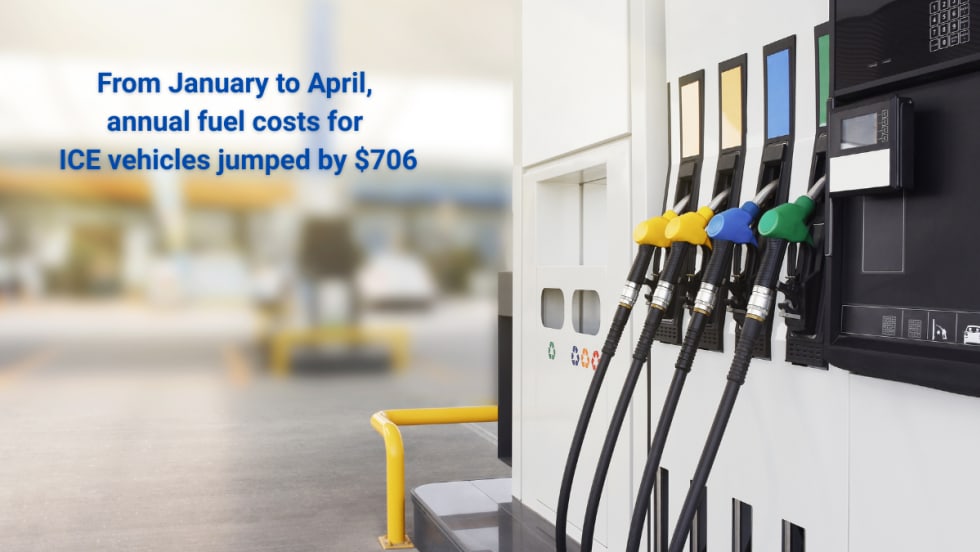
Study: How 2026's Gas Price Hikes Affect Different Vehicle Types
New data from iSeeCars reveals how rising fuel costs have affected different vehicle segments as gasoline prices climbed nearly 46% over the past four months.
Read More →
Are You Tracking Your Fleet's True Total Cost of Ownership?
Bobit Business Media surveyed 190 fleet professionals and found that while most fleets are tracking costs, fragmented systems and data gaps are keeping true TCO visibility out of reach. With rising pressure to control spend in an increasingly volatile environment, the gap between what fleets think they know and what the data actually shows is wider than you might expect. See how your peers are managing costs today and where the industry still has room to improve.
Read More →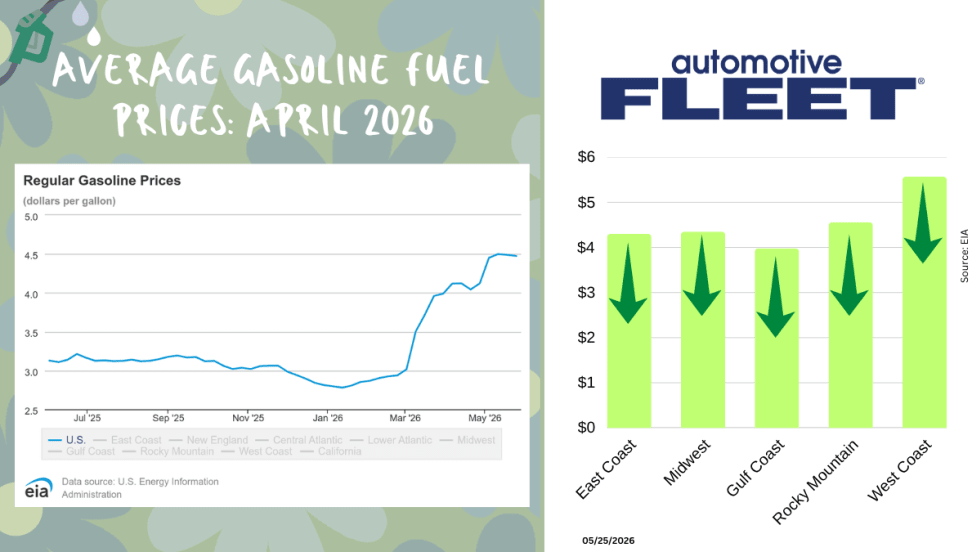
May Fuel Update: All Regions Experience Declines
Gas prices are finally easing in much of the country, but experts warn global tensions could quickly reverse the trend as the national average remains well above last month’s levels.
Read More →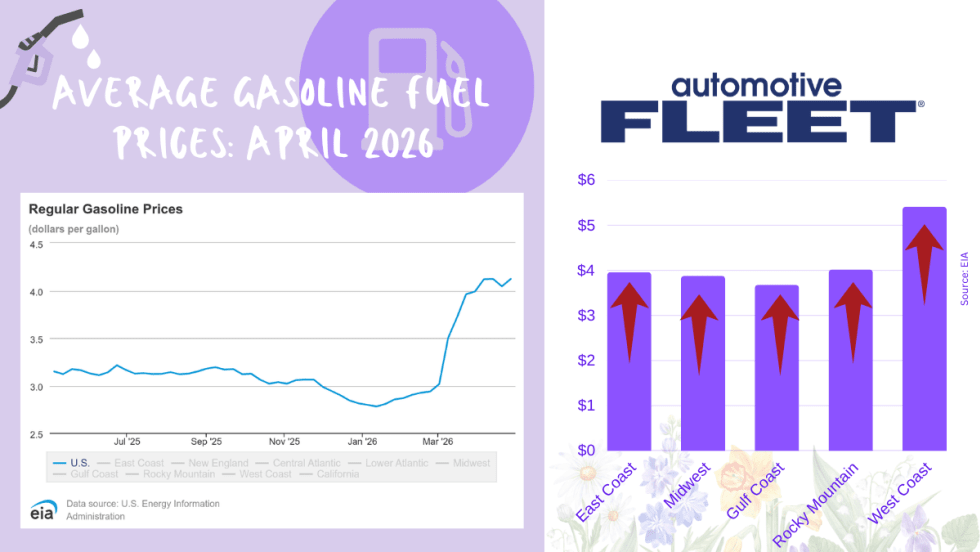
April Fuel Update: Prices Climb Above $4 as Spring Surge Accelerates
National average jumps to $4.04 per gallon, up sharply from last year, with West Coast prices topping $5 and further increases expected amid rising oil tensions.
Read More →
Tips from Fleet Managers on Saving Fuel Costs
Fleet leaders share practical strategies to reduce fuel spend through smarter policy, routing, and driver guidance.
Read More →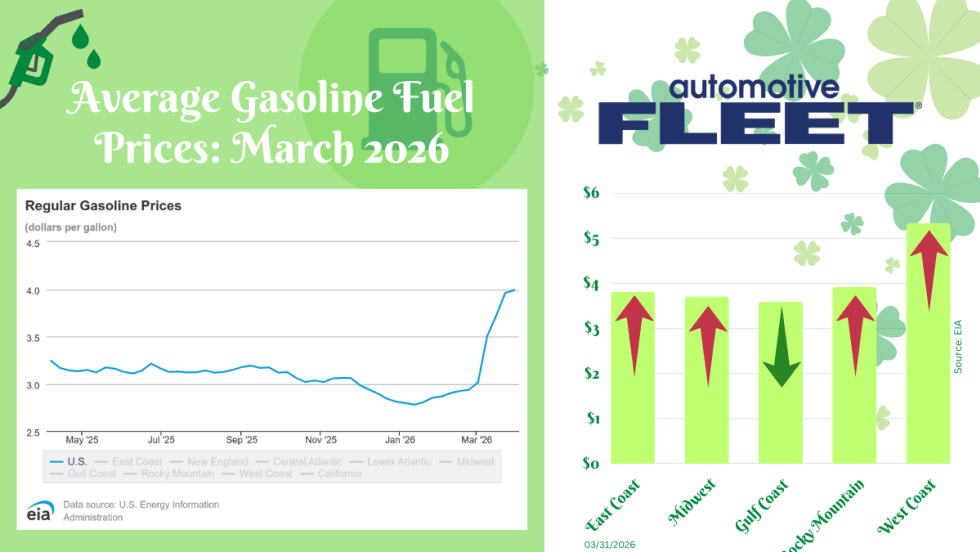
March Fuel Update: Prices Settle With a $4 Average
Fuel prices significantly slowed this week, but a $4 national average is still expected.
Read More →
Bob Adamsky on Fuel Volatility: “Don’t Panic — Have a Plan”
With oil prices rising again, AWP Safety’s fleet manager shares how to respond to rising fuel costs and how the right strategy can turn fuel spikes into cost-saving opportunities.
Read More →
Oil Market Turbulence Is Complicating Fleet Cost Planning
Rapid swings in crude oil prices driven by the conflict in the Middle East could create longer-term cost pressures for fleets, affecting fuel prices, supply chains, and vehicle strategy, says NTEA’s Andrew Wrobel.
Read More →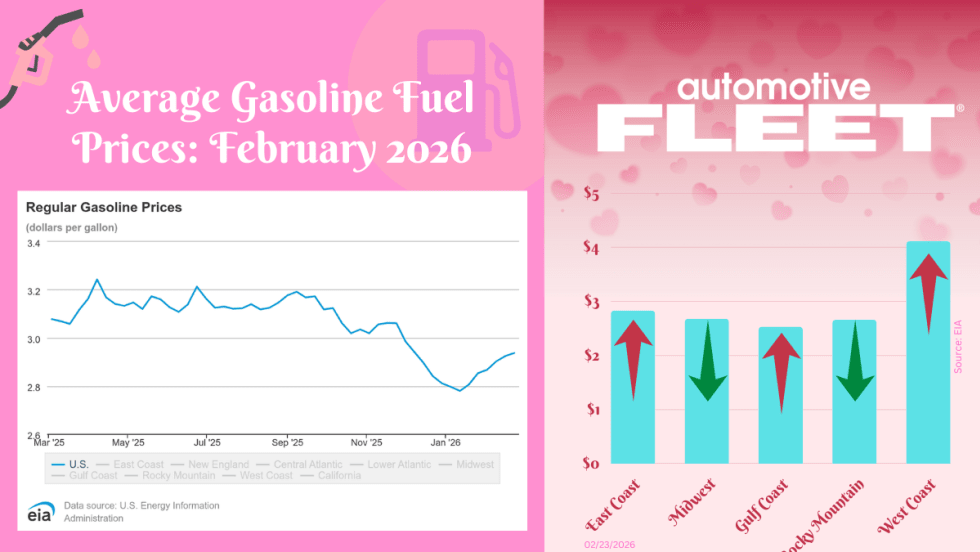
February Fuel Update: Prices Inch Higher for Third Week in a Row
The final February fuel update reveals prices continuing to inch higher for the third week in a row.
Read More →