




Third-Quarter Auto Sales Highest in Diesel Sweet Spots
The rebound in automotive sales of 31% in the third-quarter of 2020 is led by growth in pickup trucks and SUVs, categories with the most advanced, fuel-efficient diesel options, notes the Diesel Technology Forum.

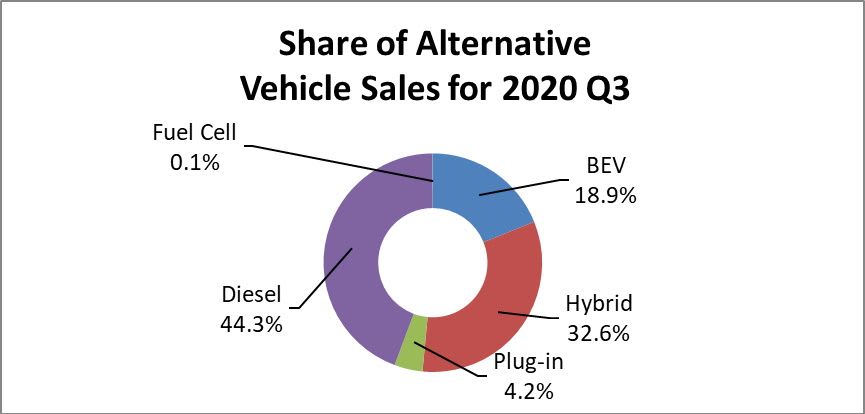
Diesel accounted for 44.3% of all third-quarter 2020 Alternative-Fuel Vehicle sales.
Source: Diesel Technology Forum
The rebound in automotive sales of 31% in the third-quarter of 2020 is led by growth in pickup trucks and SUVs, categories with the most advanced, fuel-efficient diesel options for consumers, according to the Diesel Technology Forum, a not-for-profit educational association.
“With the COVID-19 pandemic continuing to have far reaching impacts on every aspect of life and the economy, U.S. auto sales saw a 31% rebound in the third quarter of 2020 adding almost 1-million more vehicles sold from the previous three months,” said Allen Schaeffer, Executive Director of the Diesel Technology Forum.
“Sales of pickups and larger SUVs, are leading this rebound, having nearly recovered to the level one year ago while sales of sedans and smaller cars are still at historic lows, according to data provided by Alan Baum and Associates.
Baum noted that the trends aren’t new, "but ones that have been occurring for nearly a decade as Americans’ vehicle needs have shifted toward sport utility vehicles in addition to the long-standing top-position of full-size pickup trucks."
What is new? According to Baum it's the growing number of more fuel-efficient offerings where for car and truck buyers than ever before, ranging from battery-electric, plug-in hybrid, full hybrid and even hydrogen fuel cell options.
“In the vehicle segments more Americans prefer, more diesel options are a win-win. When it comes to the vehicle types more American buyers prefer, diesel is a fuel-efficient choice that delivers no compromises in fuel efficiency, vehicle utility, or performance. With readily available fuel at more than two-thirds of all stations, highway ratings of as much as 33 mpg along with driving ranges that can exceed 500 miles on a single tank, there will be no range anxiety for diesel vehicle owners," Baum added.
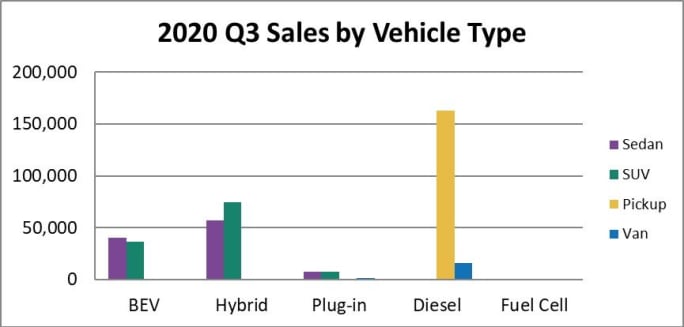
Diesel was a very popular option among third-quarter 2020 pickup truck and van sales.
“The new generation of diesel engine options are the quietest most powerful and fuel efficient we have ever seen, with near zero emissions as well, making them good choices for both the pocketbook and the planet. There are 16 diesel options available in full-mid, full-size, and heavy-duty pickup truck segments. This year for the first time, there are three diesel engine options in full size pickup trucks from leading manufacturers General Motors (Silverado 1500), Ram Trucks (1500 EcoDiesel), and Ford (F-150) as well as the exciting new addition of the Jeep Gladiator. This is in addition to heavy-duty 2500 and 3500 series for all manufacturers including long-time diesel engine offerings, and the Cummins diesel in the Ram heavy-duty trucks," Baum concluded.
Consider that if every full-size pickup sold in the U.S. was equipped with an advanced diesel engine, the U.S. could save roughly 500 million gallons of fuel per year, equivalent to 15 percent of the entire car market switching to a battery-electric option, helping to contribute to climate and energy policy goals according to research commissioned by the Diesel Technology Forum.
"When compared to comparably equipped gasoline models, these diesel engine options in pickups and larger SUVs can save quite a bit of fuel, particularly for those putting on higher annual miles and if regularly using the vehicles for towing. Beyond the fuel efficiency advantage of diesel over gasoline comes the opportunity to use blends of low-carbon renewable biodiesel fuels that can reduce greenhouse gas and other emissions,” noted Schaeffer. “While predicting the future is nearly impossible, if fuel prices remain stable, economic recovery continues, we would expect that sales of pickups and larger SUVs with diesel engine options are likely to increase as consumers seek more fuel efficiency, power and performance for the long haul of vehicle ownership."
Originally posted on Work Truck Online
More Fuel

Turning Fleet Payment Data into Executive Insights
Ramel Lindsay of U.S. Bank Voyager discusses how fleets can transform payment and transaction data into actionable intelligence to reduce costs, improve oversight, and support executive decision-making.
Read More →
Why the IRS Raised Its Mileage Rate in the Middle of 2026
Fuel-price volatility drove the rare increase to 76 cents per mile, the fifth midyear adjustment since 2000.
Read More →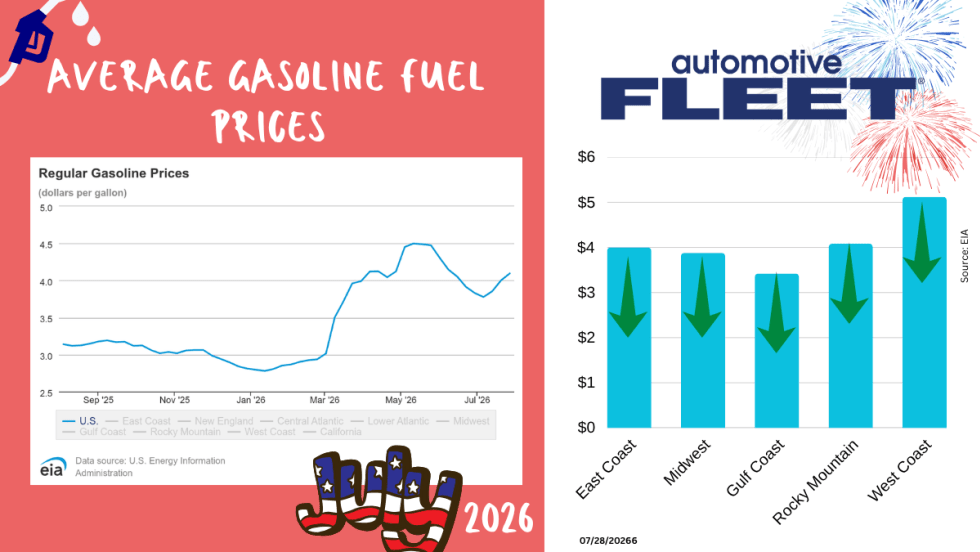
July Fuel Update: Prices Keep Rising in Light of More Conflict
Gas prices continue to rise as more and more conflicts do, too.
Read More →
Bob Adamsky on Fuel Volatility: "Don't Panic, Have a Plan."
When it comes to up and down fuel prices, Adamsky has a message for fleets: “Don’t panic.”
Read More →
How Fleets Can Gain Control of Non-Fuel Spend
Fuel often gets the spotlight, but non-fuel expenses can have a major impact on fleet costs. Ramel Lindsay of U.S. Bank Voyager discusses how fleets can gain better visibility and control over these often-overlooked expenditures.
Read More →
Fuel is Just the Start: How Middle East Tensions are Driving Up Fleet Maintenance Costs
The Middle East conflict is doing more than pushing up fuel prices. It’s also raising the cost of key maintenance products your fleet depends on, from motor oil to tires to windshield wipers. Here’s what you need to know about this budget-busting situation.
Read More →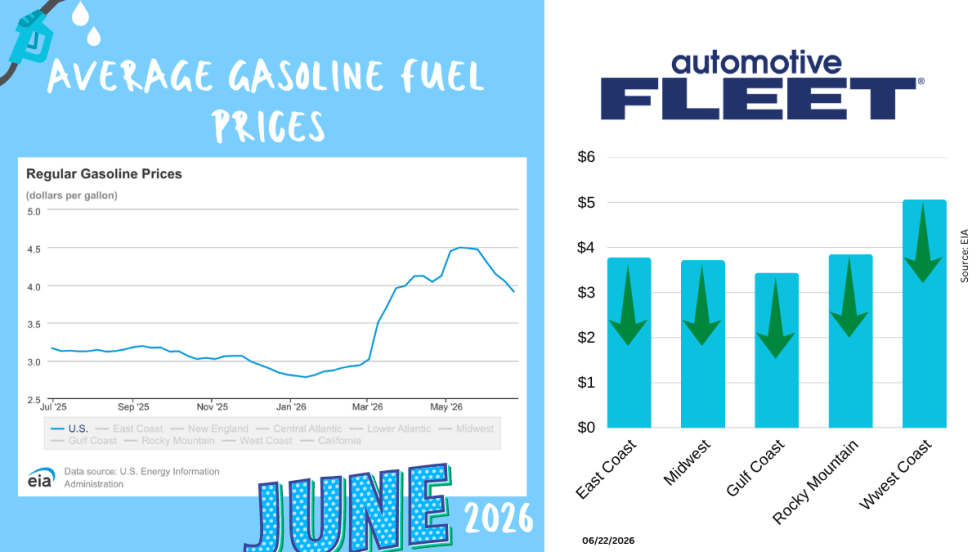
June Fuel Update: Prices Fall Below $4
Drivers are finally getting some relief at the pump. The national average gas price has dropped below $4 a gallon for the first time in months, with prices falling in 47 states as oil markets react to developments in U.S.-Iran negotiations.
Read More →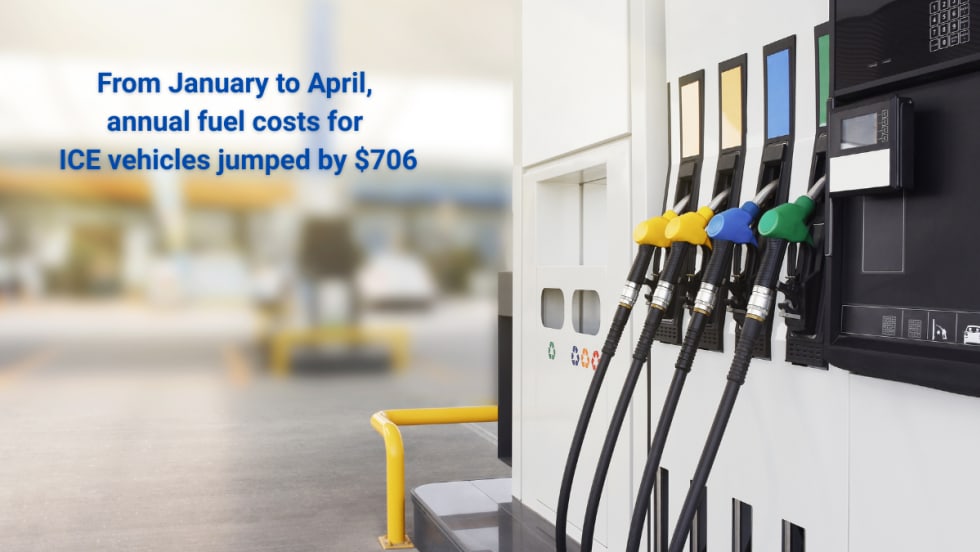
Study: How 2026's Gas Price Hikes Affect Different Vehicle Types
New data from iSeeCars reveals how rising fuel costs have affected different vehicle segments as gasoline prices climbed nearly 46% over the past four months.
Read More →
Are You Tracking Your Fleet's True Total Cost of Ownership?
Bobit Business Media surveyed 190 fleet professionals and found that while most fleets are tracking costs, fragmented systems and data gaps are keeping true TCO visibility out of reach. With rising pressure to control spend in an increasingly volatile environment, the gap between what fleets think they know and what the data actually shows is wider than you might expect. See how your peers are managing costs today and where the industry still has room to improve.
Read More →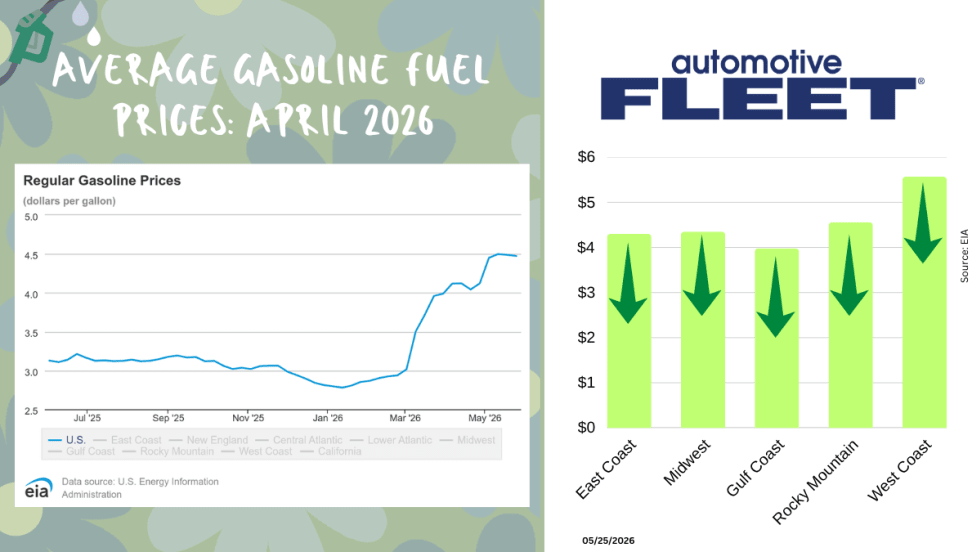
May Fuel Update: All Regions Experience Declines
Gas prices are finally easing in much of the country, but experts warn global tensions could quickly reverse the trend as the national average remains well above last month’s levels.
Read More →