




Third-Gen Sprinter Van to Focus on Mobility, Connectivity
The 2018 Mercedes-Benz Sprinter will add a gasoline engine, optional factory telematics offering, and more than 1,000 configurations to provide a "holistic mobility solution" when it debuts in February, the head of the company's van division told journalists in Stuttgart, Germany.

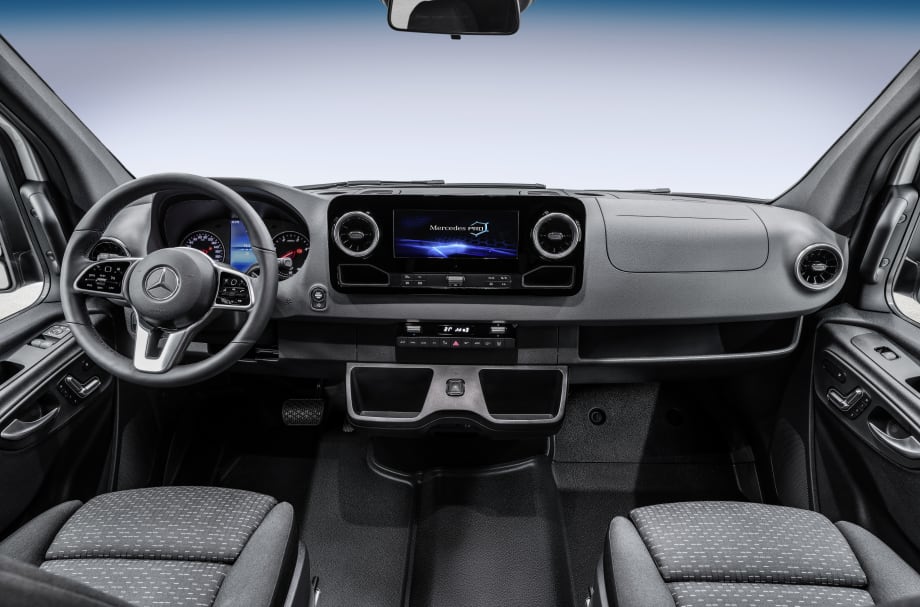
One of four dashboards offered on the 2018 Sprinter. Photo courtesy of Mercedes-Benz.
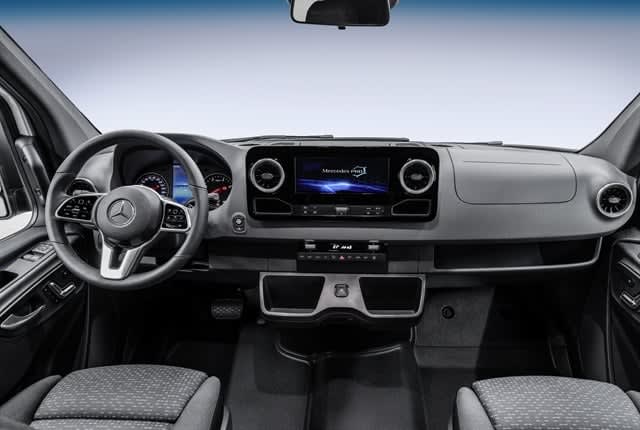
One of four dashboards offered on the 2018 Sprinter. Photo courtesy of Mercedes-Benz.
The 2018 Mercedes-Benz Sprinter will add a gasoline engine, optional factory telematics offering, and more than 1,000 configurations to provide a "holistic mobility solution" when it debuts in February, the head of the company's van division told journalists in Stuttgart, Germany.
Mercedes-Benz is launching the third generation of its Sprinter that was first introduced in the U.S. 1995 and updated in 2010.
"The Sprinter is the flagship of our commercial fleet and embodies our approach toward an integrated system solution," said Volker Mornhinweg, head of Mercedes-Benz Vans. "Comprehensive industry-specific know-how, a vehicle that is adaptable to different transport requirements, and innovative networking services add up to a fully-integrated product offering."
Mornhinweg's van unit provided general information about the new full-size van at Sprinter Innovation Campus, an event that focused on six aspects of the vehicle, including its versatility, possible electrification, telematics capabilities, and features suited for grocery delivery, passenger hauling, and service fleets.
The 2018 Sprinter will provide plenty of versatility with its three wheelbases, four body lengths, three roof heights, four engine powers, and four dashboards. Commercial buyers can also configue many of the interior features such as the van's storage compartments, cupholders, head unit, and climate controls. All models will offer push-button start.
Mercedes-Benz is also shifting the van's drive train to a front-wheel orientation — the van now offers standard rear-wheel drive or a 4x4 option — to lower the load floor to help drivers load cargo. The move will eliminate the prop shaft.
Mercedes-Benz hopes to offer a battery-electric model now known as eSprinter in the U.S., as well as an all-electric eVito (the mid-size van known as the Metris in the U.S.), but the "demand has to be there," Mornhinweg said.
When the 2018 Sprinter arrives in late 2018 or early 2019, Mercedes will offer a manufacturer telematics system known as Mercedes Pro that will provide fleet managers a cloud-based vehicle management tool, telematics data served to a mobile app, cargo monitoring, a digital key, and Linux-based vehicle platform that's designed to encourage third-party vehicle apps. Mercedes-Benz began offering the product in September for used Sprinter vans.
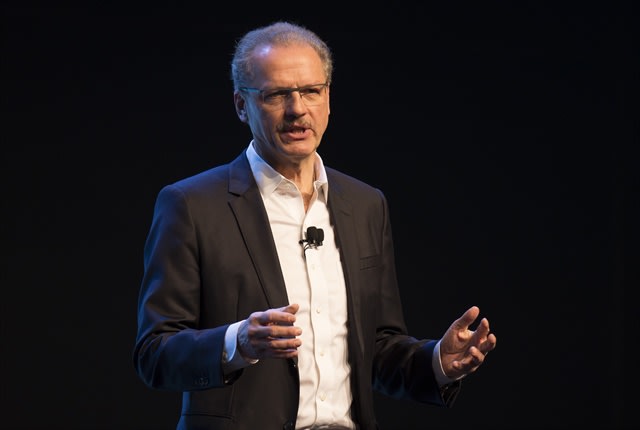
Volker Mornhinweg said Mercedes-Benz hopes to offer a battery-electric model in the U.S. Photo courtesy of Mercedes-Benz.
The company considered partnering with an aftermarket telematics provider such as Verizon Telematics to offer the telematics product, but elected to retain control of Sprinter data.
"We decided it would be better to do it by ourself because we have control of the solution," Mornhinweg said. "We thought it would be better to have it under one umbrella, our umbrella."
More Telematics
GM Launches OnStar Fleet Intelligence Platform With AI Assistant
The new platform brings vehicle data, order tracking, connected services and fleet analytics into one system, with an AI assistant that can answer fleet questions using natural-language prompts.
Read More →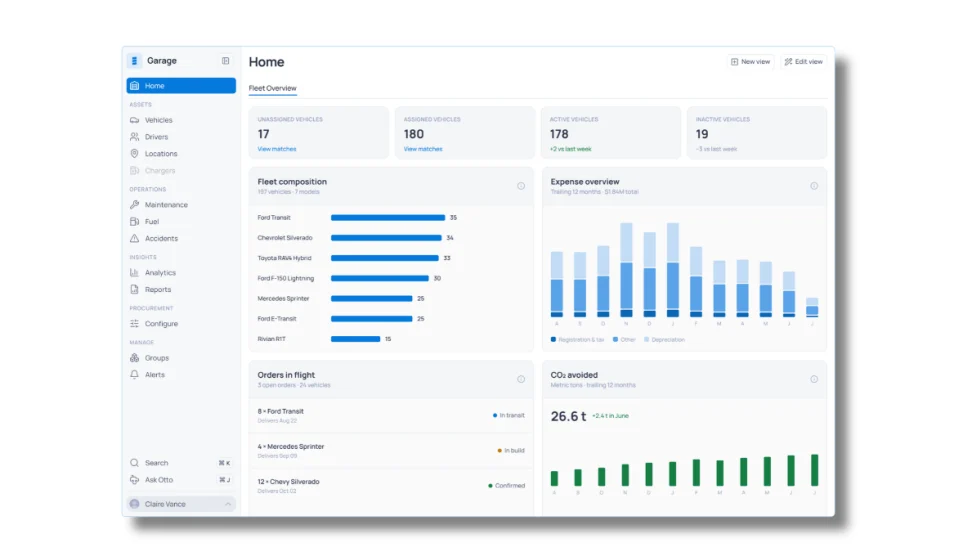
Inspiration Fleet Introduces Garage 2.0 Fleet Intelligence Platform
Fleet managers increasingly have access to data from vehicles, telematics, fuel, charging, and other systems, but those sources don't always communicate with one another. Inspiration Fleet's Garage 2.0 platform brings that information together while letting fleets keep working with different technology and service providers.
Read More →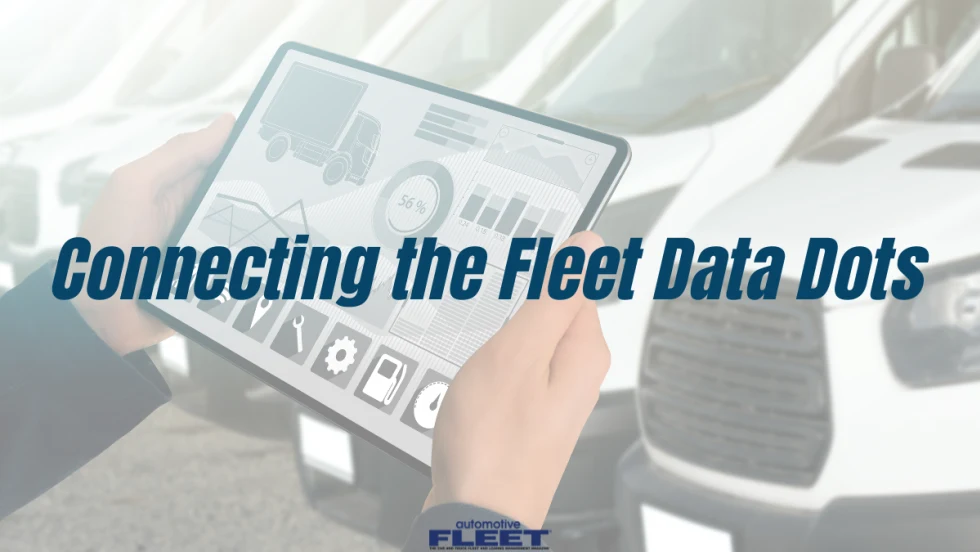
Inside Inspiration Fleet’s New Platform for Connecting Fleet Data
Inspiration Fleet CTO Chris Getner explains how the new Garage 2.0 platform is designed to connect disparate fleet data and what that could mean for fleet managers in practice.
Read More →
Fleet Manager’s Ultimate Playbook: Navigating the New Standard in OEM Connectivity
Rising operating costs, driver safety concerns, and unplanned downtime are putting unprecedented pressure on modern fleets. Discover how fleet managers use embedded OEM connectivity and real-time vehicle data to cut TCO, prevent downtime, and protect drivers without aftermarket telematics hardware.
Read More →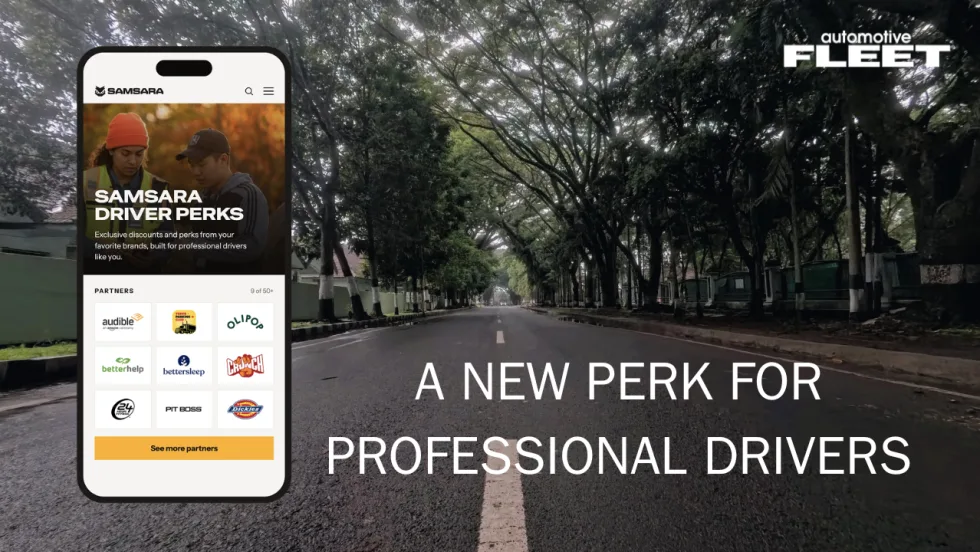
Samsara Driver Perks Adds New Benefit for Corporate Fleet Drivers
The rewards program gives eligible professional drivers access to discounts from more than 50 brands while giving fleets another way to support recruitment, retention, and the driver experience.
Read More →
Inside the Church of Jesus Christ of Latter-day Saints’ Two-Track Telematics Strategy
With 20,000 vehicles and two fundamentally different driver populations, the Church faced a fleet management problem that a single telematics program couldn't solve. How it responded offers a replicable framework for any fleet where one size doesn't fit every driver.
Read More →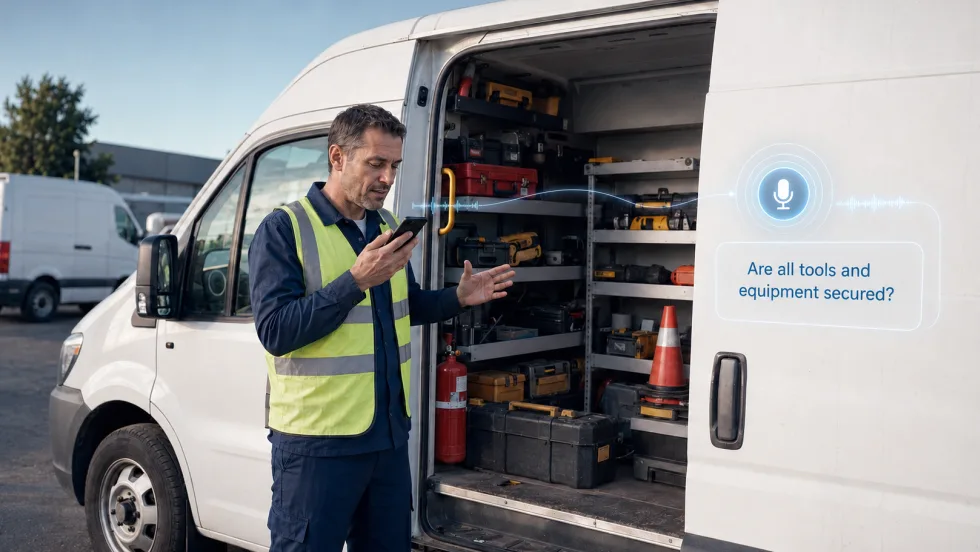
How Conversational AI Can Make Fleet Tasks Easier for Drivers
While most generative AI tools help fleet managers interpret data at their desks, Connex2X is applying voice interaction to tasks behind the wheel.
Read More →
Why Fleets Are Creating Dedicated Fleet Analyst Positions
Are fleet analyst positions the new norm? Listen here to find out.
Read More →
Teletrac Navman Begins Next Chapter as Standalone Private Company
What's new with Teletrac Navman and its new owner?
Read More →
Why Fleets Are Creating Dedicated Fleet Analyst Positions
Telematics, AI, EVs, and connected technologies are generating more fleet data than traditional teams can effectively manage. Reed Jackson explains why dedicated fleet analytics roles are emerging to turn that information into better operational decisions.
Read More →