




Further Reading: In Pursuit of Green Hydrogen for Trucking
The Hydrogen Catalyst to the EV Revolution
Is hydrogen key to the net zero EV rollout?
by Simone Bruckner, Cressall
February 9, 2022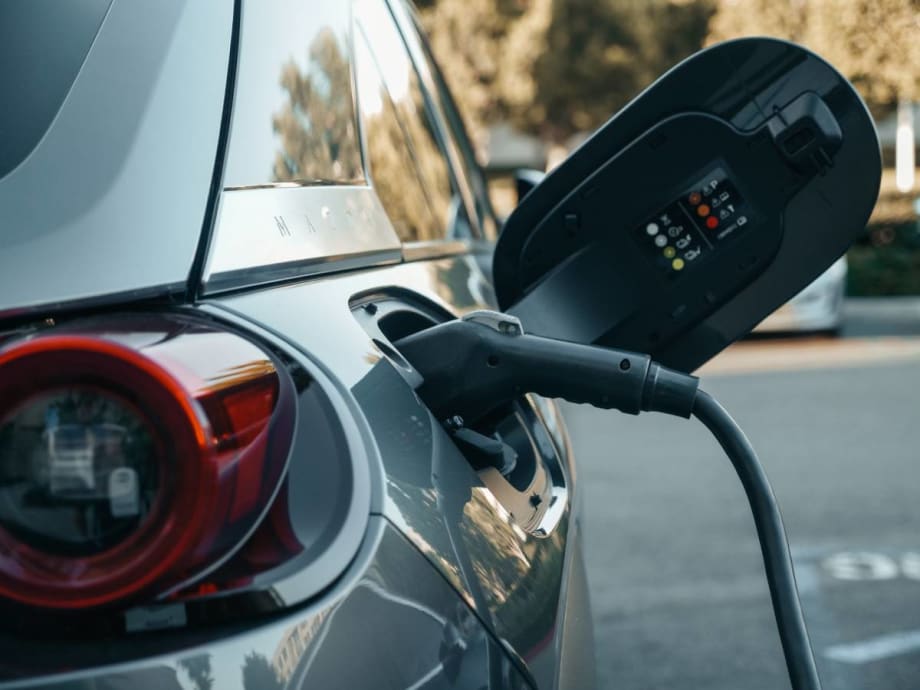
Industrial production of hydrogen is typically delivered through electrolysis—using an electrical current to split water into hydrogen and oxygen.
Photo courtesy of Cressall Resistors
4 min to read
In November 2021, UK Prime Minister Boris Johnson announced the dawn of the electric vehicle (EV) revolution, fueled by new regulations and investment pledges across all stages of the EV supply chain. From charging stations to electricity generation, new projects will begin across the United Kingdom (U.K.) in 2022. But there’s one key ingredient that will transform the sector’s sustainability credentials—hydrogen. In the press release below, Simone Bruckner, managing director of resistor manufacturer Cressall, explains how hydrogen can make the U.K.’s EV revolution a reality.
With bans on the production of new diesel and petrol-powered vehicles looming, encouraging widespread consumer uptake of more sustainable vehicle choices is becoming an urgent matter. Uptake seems to be increasing, according to the Society of Motor Manufacturers and Traders (SMMT) demand for battery electric vehicles (BEVs) more than doubled between November 2020 and November 2021. But if transport is to decarbonise before its 2050 deadline, there’s more to do to make BEVs carbon neutral.
BEVs’ Sustainability Shortfalls
Fully decarbonising BEVs is tricky. Using energy from the National Grid means that the sources used for electricity generation directly affect BEVs’ environmental impact. The grid is becoming more renewable and is set to be net zero by 2050. But there is an added challenge. According to The Committee on Climate Change, electricity demand is set to double from today’s 300-terawatt-hour (TWh) requirement to 610 TWh by 2050 thanks to BEV uptake.
So, to complete the dual task of increasing supply and decarbonising electricity generation, the Government is investing in dispatchable low-carbon sources to support variable weather-dependent renewables in powering the grid when production falls short of demand. In the meantime, fossil-fueled electricity generation is negatively impacting BEVs’ sustainability.
BEVs also have some additional environmental concerns regarding their reliance on lithium-ion batteries. Rare earth metals including cobalt, nickel, and manganese are all major components of lithium-ion batteries. Mining these materials can result in huge environmental destruction, disrupting entire ecosystems, while the heavy machinery used contributes even more emissions. So, is there a more sustainable option?
Hydrogen: the Fuel of the Future
Hydrogen is a promising resource that is key to delivering transport’s decarbonised future. Industrial production of hydrogen is typically delivered through electrolysis—using an electrical current to split water into hydrogen and oxygen. If a renewable source is used to produce electricity, then this creates an entirely carbon-neutral hydrogen fuel, known as green hydrogen.

Photo courtesy of Cressall Resistors
The government has set a target to produce five gigawatts (GW) of green hydrogen by 2030 and has already announced investments into projects like Whitelee Windfarm near Glasgow, which will use wind power to generate electricity for hydrogen production.
Hydrogen produced in this way can then be used as a fuel source for an alternative to BEVs: fuel cell electric vehicles (FCEVs). FCEVs are powered by proton exchange membrane fuel cells. FCEVs turn hydrogen into electricity by combining the hydrogen fuel with air and pumping it into the fuel cell. Once inside the fuel cell, this triggers a chemical reaction, resulting in the extraction of electrons from the hydrogen. These electrons then create electricity, which is stored in a small battery used to power the vehicle.
FCEVs fueled with green hydrogen are completely carbon-free thanks to the renewable origins of these fuel cells. The only end products of the fuel cell reaction are electricity, water, and heat, and the sole exhaust emissions are water vapor and air. This makes them a more-aligned choice with net zero goals, enabling a widespread, carbon-neutral EV rollout.
Making Hydrogen Viable
Although the benefits of FCEVs are clear, the technology behind them still needs refining. Fuel cells are unable to work under heavy loads for a long time, which presents issues when rapidly accelerating or decelerating.
Studies into fuel cell function have shown that, when an FCEV begins accelerating, the fuel cell’s power output increases gradually to a point, but then it begins to oscillate and drop despite velocity remaining consistent. This unreliable power output presents a challenge for automakers.
The solution is to install a fuel cell for a higher power requirement than necessary. For example, if a FCEV needs 100 kilowatts (kW) of power, installing a 120-kW fuel cell would ensure there is always 100 kW of power available, even if the fuel cell’s power output drops. Opting for this solution requires a resistor to remove the excess energy when not required, to perform a “load bank” function.
Cressall’s water-cooled EV2 is designed specifically for heavy-duty applications including hydrogen-powered FCEVs. It absorbs excess energy from the system and dissipates it as heat, which can be used to warm the vehicle’s passenger cabin. This protects the electrical system, allowing FCEVs to be very reactive to high-power demands, and accelerate and decelerate rapidly without storing excess energy in a battery.
The EV rollout is well underway, with pressing deadlines for the retirement of fossil-fuelled vehicles edging closer and closer. Although BEVs are the main player in the decarbonisation of transport, it’s important to not rule out the distinct benefits that FCEVs bring to the market. But combining the two could be the key to unlocking the EV revolution.
This article was authored by Simone Bruckner, managing director, Cressall. To learn more about Cressall’s EV2 and its electric vehicle applications, get in touch with the team here.
More Global Fleet

GeoFencing Adds to Your Truck Security Arsenal
Geofencing is a familiar fleet tool today, but its early adoption marked a major shift in vehicle tracking, route monitoring, and the debate over employee privacy.
Read More →
Holman Takes Full Ownership of ARIZA in Mexico
Holman is bringing its Mexican fleet management operation fully under its own brand after more than 30 years as a joint venture. The change gives multinational fleet customers a single Holman operation across the U.S., Canada, and Mexico.
Read More →
5 Tire Maintenance Tips to Help Prevent Work Truck Downtime
Regular tire checks can do more than extend tread life. These five maintenance practices can help work truck fleets catch problems early, reduce costs, and prevent downtime.
Read More →

Proven Ways to Reduce Work Truck Downtime
The age-old problem of downtime will always be a reality, but with new strategies at hand, fleets have more ways to keep trucks on the road longer.
Read More →


Cameras, Safety and Insurance: From Reactive Claims to Real-Time Prevention (Part 2 of 2)
Part Two: Commercial auto remains one of the most challenging and costly lines of coverage for fleet operators and insurers alike. Continue learning more about how to effectively address these issues from Onur Aksan, Enterprise Business Development Executive, Geotab
Read More →
Cameras, Safety and Insurance: From Reactive Claims to Real-time Prevention
Commercial auto remains one of the most challenging and costly lines of coverage for fleet operators and insurers alike. Learn more about how to effectively address these issues from Onur Aksan, Enterprise Business Development Executive, Geotab.
Read More →
Fleet Costs Are Rising: Here’s How Leaders Are Responding
Fleet leaders are under pressure to reduce costs, adapt to economic uncertainty, and make smarter decisions. See how peers across North America are responding with real data, proven strategies, and forward-looking insights. Download the 2026 Market Pulse Report to benchmark your strategy and uncover where you can gain an edge.
Read More →
Enterprise Fleet Management Surpasses 900,000 Vehicles in U.S. & Canada
Enterprise Mobility connects with mobility solutions around the globe
Read More →