




NASHVILLE, Tenn. --- Tennessee Governor Phil Bredesen made $3.5 million in grants and loans available last week to increase the accessibility, development and production of biofuels in the state. Bredesen announced the opening of the application processes last Wednesday in remarks previewing an alternative fuels strategy to be proposed in his 2007-2008 budget. "I believe we're at a critical point in which Tennessee can be a national leader in the development of the alternative fuels market," said Bredesen. "It's a smart energy strategy, a smart economic strategy and a smart environmental strategy. Most importantly, it helps create new markets and new opportunities for Tennessee farmers." Four departments are involved in coordinating the alternative fuel grant and loan process and managing the allocation of funds: Agriculture, Economic and Community Development, Environment and Conservation and Transportation. Applicants must submit a business plan with their application by March 15, 2007. Representatives of ECD's Program Management Division and the Department of Agriculture will review each application for presentation to the Governor's Alternative Fuels Working Group. The application will then be presented to ECD's Loan and Grant Committee for determining the loan's terms and conditions. "This loan program represents a key element in developing our biofuels industry and providing more opportunities for Tennessee farmers," said Agriculture Commissioner Ken Givens. “By attracting investment in soybean crushing facilities, we can help create local markets for an important agricultural product, make Tennessee farmers more competitive and bring more jobs to rural areas." After the first round of loans has been awarded, additional loan program cycles will be announced until the funds available are exhausted.
Tennessee to Invest Further in Biofuels
NASHVILLE, Tenn. --- Tennessee Governor Phil Bredesen made $3.5 million in grants and loans available last week to increase the accessibility, development and production of biofuels in the state.
More Fuel
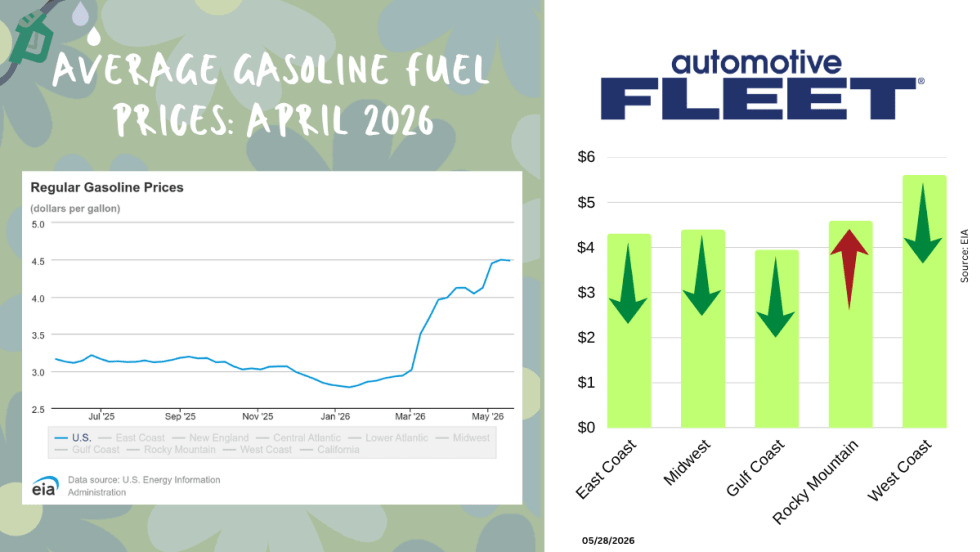
May Fuel Update: Prices Remain Steady with a Slight Decline
While prices have remained steady this week with a 1-cent decline, the next jump is anticipated just before Memorial Day.
Read More →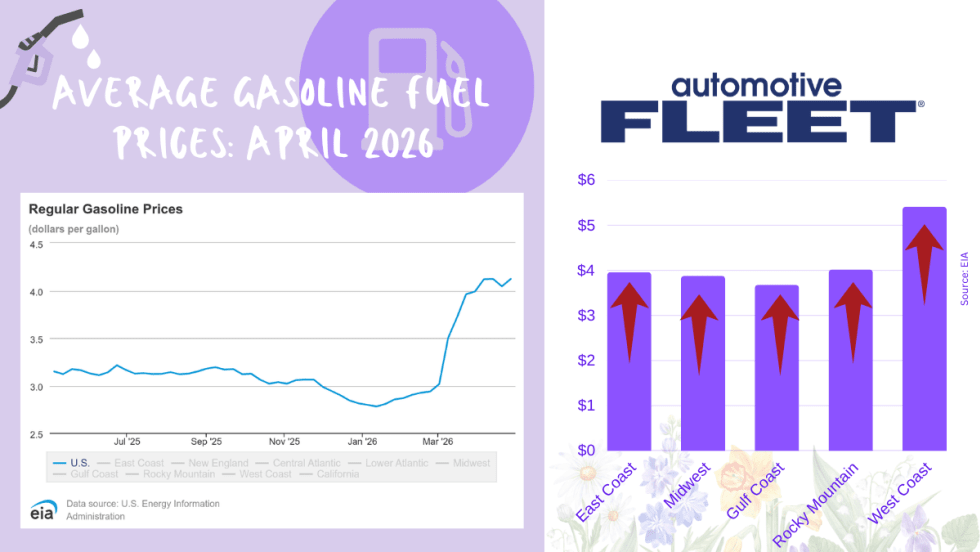
April Fuel Update: Prices Climb Above $4 as Spring Surge Accelerates
National average jumps to $4.04 per gallon, up sharply from last year, with West Coast prices topping $5 and further increases expected amid rising oil tensions.
Read More →
Tips from Fleet Managers on Saving Fuel Costs
Fleet leaders share practical strategies to reduce fuel spend through smarter policy, routing, and driver guidance.
Read More →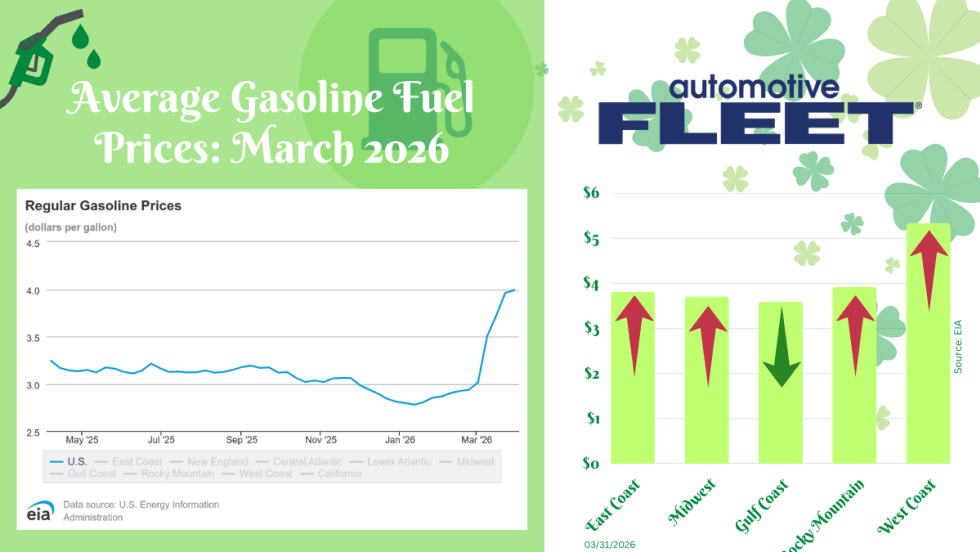
March Fuel Update: Prices Settle With a $4 Average
Fuel prices significantly slowed this week, but a $4 national average is still expected.
Read More →
Bob Adamsky on Fuel Volatility: “Don’t Panic — Have a Plan”
With oil prices rising again, AWP Safety’s fleet manager shares how to respond to rising fuel costs and how the right strategy can turn fuel spikes into cost-saving opportunities.
Read More →
Oil Market Turbulence Is Complicating Fleet Cost Planning
Rapid swings in crude oil prices driven by the conflict in the Middle East could create longer-term cost pressures for fleets, affecting fuel prices, supply chains, and vehicle strategy, says NTEA’s Andrew Wrobel.
Read More →
Report: How AI Is Reshaping Fleet and Field Service Operations
AI is rapidly transforming fleet and field service operations, from predictive maintenance and intelligent scheduling to customer self-service and real-time diagnostics. But while organizations are seeing measurable gains in uptime, productivity, and efficiency, many are still navigating workforce adoption, cybersecurity concerns, and data readiness challenges. Explore the latest trends, investment priorities, and emerging AI use cases shaping the future of fleet operations.
Read More →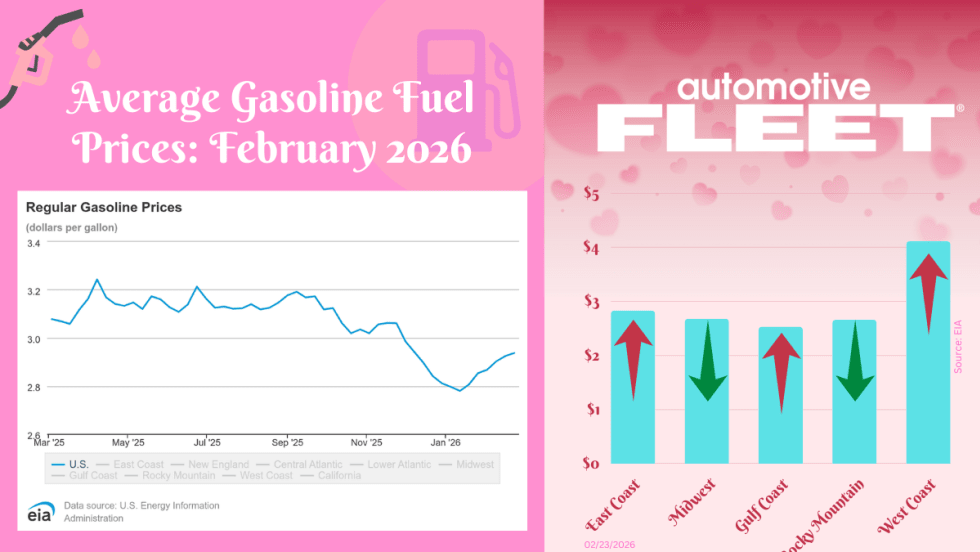
February Fuel Update: Prices Inch Higher for Third Week in a Row
The final February fuel update reveals prices continuing to inch higher for the third week in a row.
Read More →
The 2026 Fuel Economy Guide: Updated Cost and Efficiency Benchmarks for Fleets
Fleet managers can use the DOE’s 2026 Fuel Economy Guide to benchmark MPG across powertrain types using side-by-side vehicle ratings and compare new model-year options.
Read More →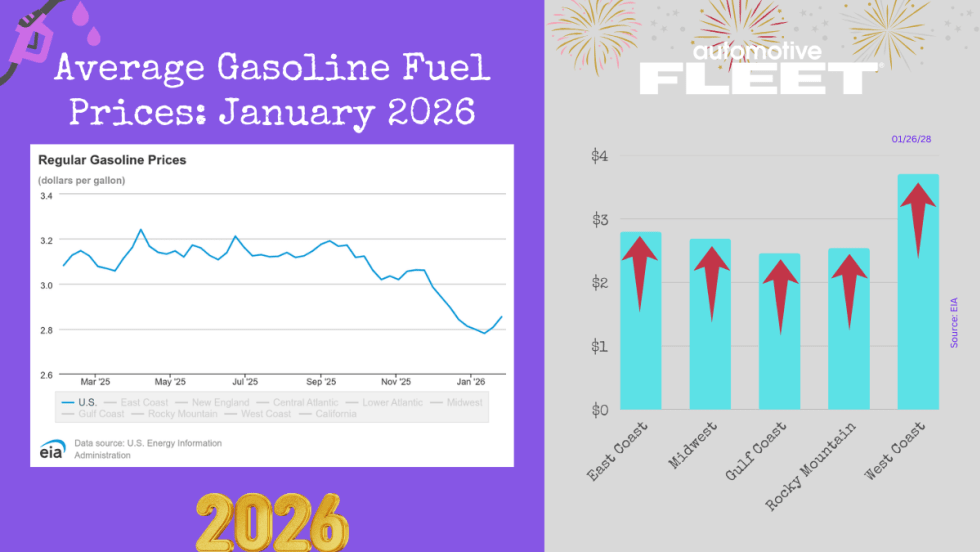
January Fuel Update: Prices Hit Highest Level Since Summer
The national average for fuel prices has officially risen to its highest point since the summer.
Read More →