




Related: Future Telematics Will Come From the Factory: Verizon Connect
Telematics Brings Big Efficiency Gains for Quanta's Mega Fleet
By implementing telematics in Quanta Services, Inc.'s mega fleet, Dave Meisel was able to achieve an array of efficiency improvements in reduced miles traveled, idling, and fuel consumption.

Paul Clinton・Former Senior Web Editor
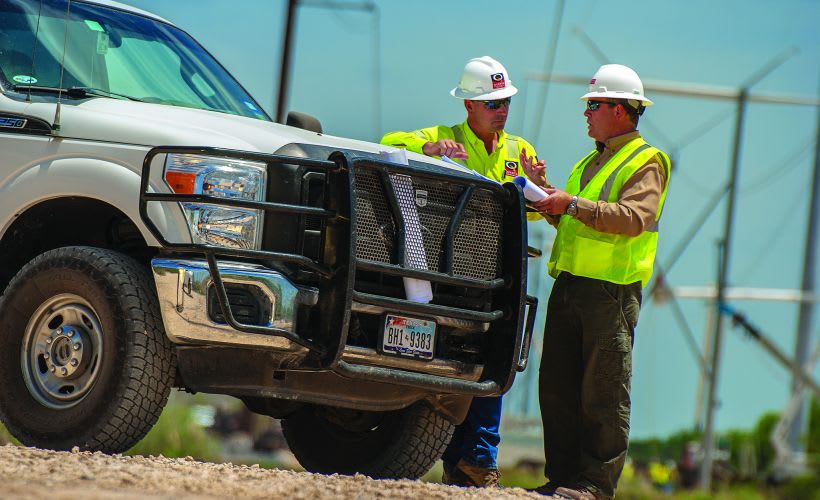
A broad rollout of telematics devices in Quanta Service's 53,000-vehicle fleet is giving its fleet manager significant gains in fuel efficiency.
Photo courtesy of Quanta Services.
2 min to read
By implementing telematics in Quanta Services, Inc.'s mega fleet, Dave Meisel was able to achieve an array of efficiency improvements in reduced miles traveled, idling, and fuel consumption.
Meisel, Quanta's executive vice president of operations, detailed his results at Verizon Connect's 2018 Latitude business conference in October.
Meisel has been managing the Quanta fleet since September 2017. He began rolling out Verizon Connect's embedded telematics products in January. Through September, he added telematics devices to more than 24,000 of the company’s 53,000 vehicles, mostly vocational trucks that support Quanta businesses that manage and service power lines around the country.
"Verizon Connect allowed us to understand how much and where we drove or didn't drive in some cases," said Meisel. "Our fleet isn’t fully rolled out yet, but we did install Verizon Connect in 24,000 vehicles."
Meisel and his team is implementing several processes that helped him achieve his goals, including implementing a staffing-based fleet model, mileage management program, and process to manage new vehicles added to the fleet. He also designed vehicle specifications based on operator input and standardized the specs.
The gains were impressive. Between December of 2017 and September of 2018, Meisel saw significant improvements among fleet vehicles that were driven 125.7 million miles on 13.6 million trips and 3.8 million hours of driving. The vehicles idled for 5.5 million hours.
In that time, Meisel achieved a 9.6% reduction in miles per trip (to 9.64), a 3.5% reduction in drive time per vehicle (to 27.33 minutes), and a 4.8% reduction in miles per vehicle (to 910).
Less driving and idling helped Meisel significantly improve his fuel efficiency. During the year, he saw a 12.7% reduction in non-productive idling to 55% and a 20.9% improvement in miles per gallon to 7.98 mpg.
As a result, his fully burdened fuel cost, including fuel and overhead, declined significantly for both bulk and retail fuel purchases.
"The cheapest gallon of fuel that you will ever find, is the one that you don’t use," Meisel said.
Meisel arrived at Houston-based Quanta with deep fleet management experience. He spent more than 35 years managing the fleets of Fortune 500 companies such as San Francisco-based Pacific Gas & Electric; Consumers Energy in Michigan; Plano, Texas-based Frito-Lay; and Roadway Express throughout the Midwest.
More Telematics
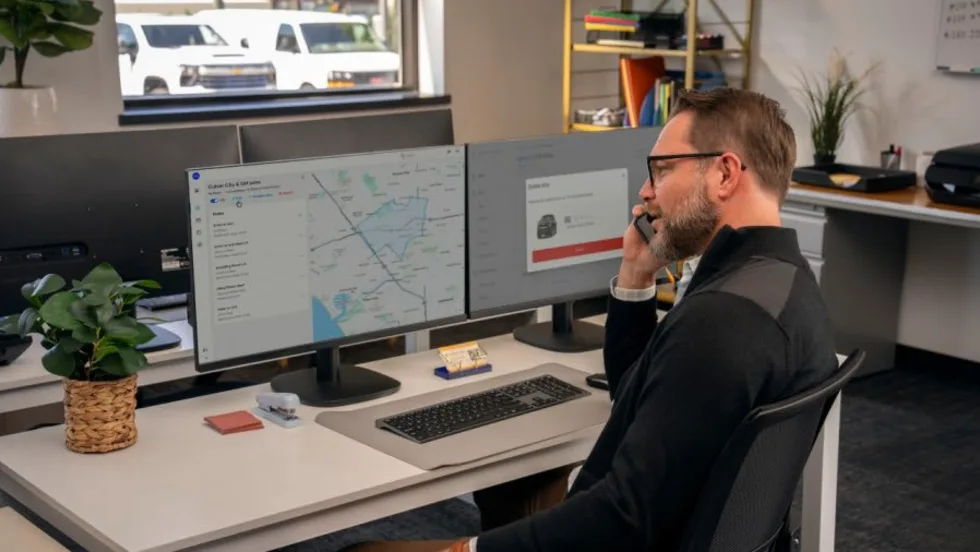
GM Launches OnStar Fleet Intelligence Platform With AI Assistant
The new platform brings vehicle data, order tracking, connected services and fleet analytics into one system, with an AI assistant that can answer fleet questions using natural-language prompts.
Read More →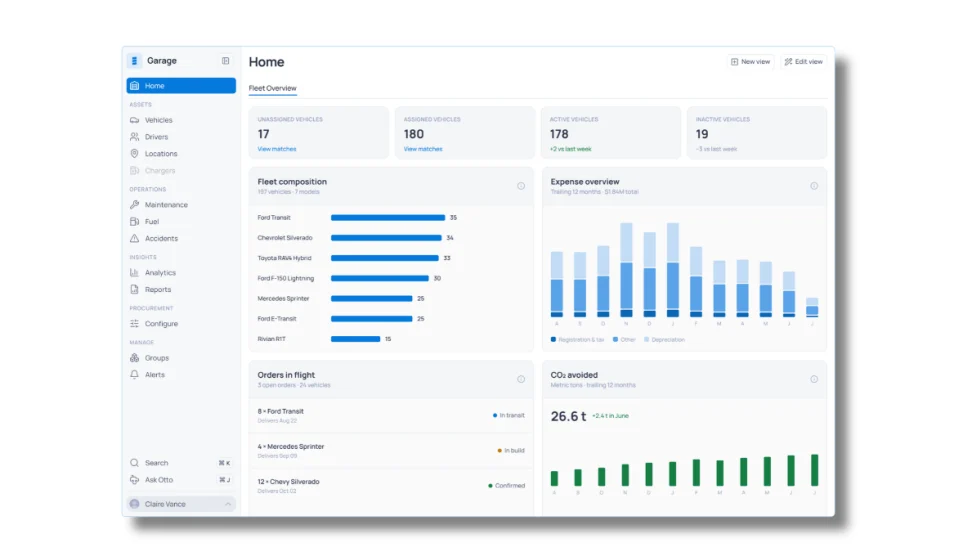
Inspiration Fleet Introduces Garage 2.0 Fleet Intelligence Platform
Fleet managers increasingly have access to data from vehicles, telematics, fuel, charging, and other systems, but those sources don't always communicate with one another. Inspiration Fleet's Garage 2.0 platform brings that information together while letting fleets keep working with different technology and service providers.
Read More →
Inside Inspiration Fleet’s New Platform for Connecting Fleet Data
Inspiration Fleet CTO Chris Getner explains how the new Garage 2.0 platform is designed to connect disparate fleet data and what that could mean for fleet managers in practice.
Read More →
Sponsored•October 1, 2026
Fleet Manager’s Ultimate Playbook: Navigating the New Standard in OEM Connectivity
Rising operating costs, driver safety concerns, and unplanned downtime are putting unprecedented pressure on modern fleets. Discover how fleet managers use embedded OEM connectivity and real-time vehicle data to cut TCO, prevent downtime, and protect drivers without aftermarket telematics hardware.
Read More →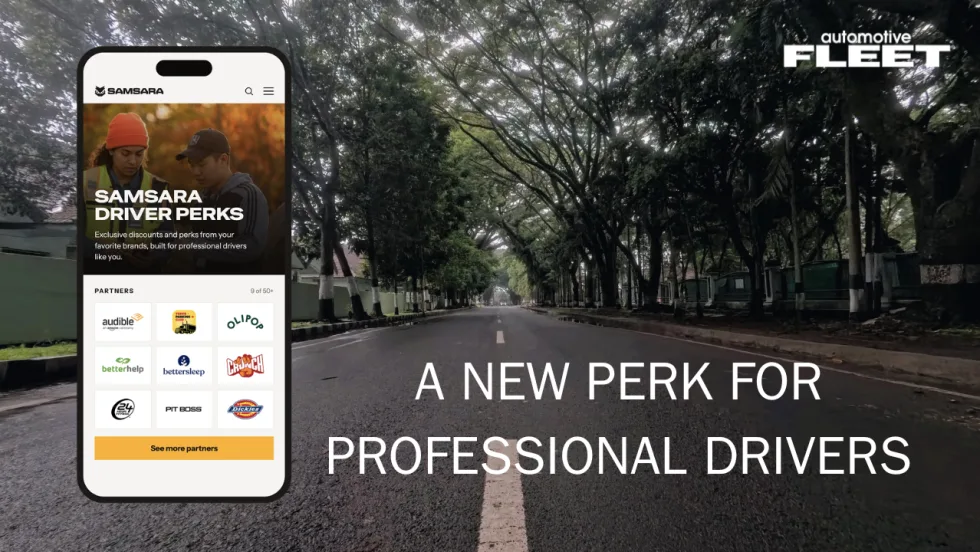
Samsara Driver Perks Adds New Benefit for Corporate Fleet Drivers
The rewards program gives eligible professional drivers access to discounts from more than 50 brands while giving fleets another way to support recruitment, retention, and the driver experience.
Read More →
Inside the Church of Jesus Christ of Latter-day Saints’ Two-Track Telematics Strategy
With 20,000 vehicles and two fundamentally different driver populations, the Church faced a fleet management problem that a single telematics program couldn't solve. How it responded offers a replicable framework for any fleet where one size doesn't fit every driver.
Read More →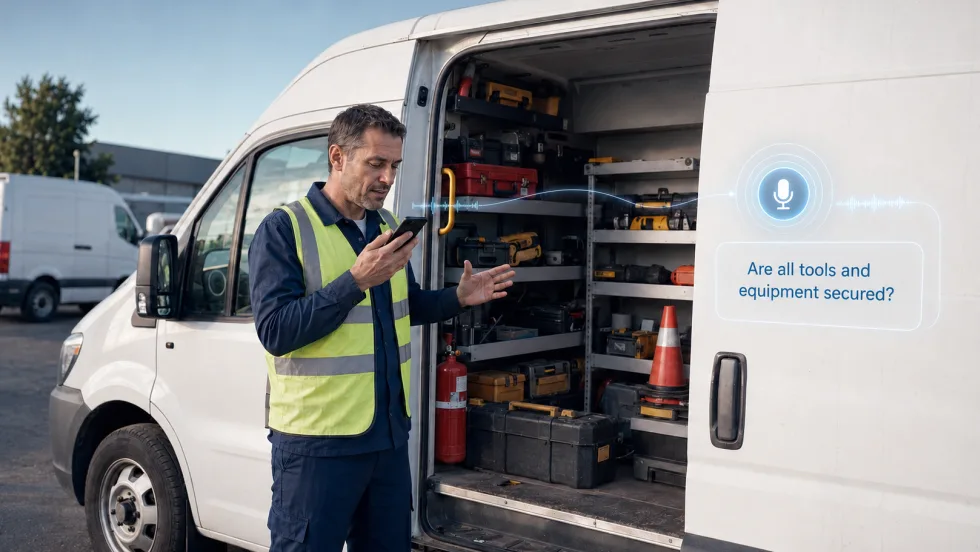
How Conversational AI Can Make Fleet Tasks Easier for Drivers
While most generative AI tools help fleet managers interpret data at their desks, Connex2X is applying voice interaction to tasks behind the wheel.
Read More →
Why Fleets Are Creating Dedicated Fleet Analyst Positions
Are fleet analyst positions the new norm? Listen here to find out.
Read More →
Teletrac Navman Begins Next Chapter as Standalone Private Company
What's new with Teletrac Navman and its new owner?
Read More →
Why Fleets Are Creating Dedicated Fleet Analyst Positions
Telematics, AI, EVs, and connected technologies are generating more fleet data than traditional teams can effectively manage. Reed Jackson explains why dedicated fleet analytics roles are emerging to turn that information into better operational decisions.
Read More →