




Takata Boosting Replacement Air Bag Production
Meanwhile, automakers take steps to launch an independent investigation into causes of air bag explosions linked to deaths and injuries.

Photo of former NHTSA Acting Administrator David Kelly courtesy of NHTSA.

Photo of former NHTSA Acting Administrator David Kelly courtesy of NHTSA.
Takata Corp. said this week it plans to double its capacity to manufacture replacement air bag inflators within the next six months in order to meet demand for recalled vehicles.
The Japan-based supplier said it expects to produce about 900,000 replacement kits each month by September. The company currently manufactures about 450,000.
About 17 million vehicles have been recalled in the U.S. because of Takata’s defective air bag inflators.
Meanwhile, the 10 automakers whose vehicles are part of the Takata recalls said they have jointly hired aerospace firm Orbital ATK to investigate the causes of the Takata air bag inflator explosions. Additionally, the companies selected David Kelly, a former head of the National Highway Traffic Safety Administration, to manage the project.
The automakers are BMW, FCA US, Ford, General Motors, Honda, Mazda, Mitsubishi, Nissan, Subaru and Toyota.
The investigation will include a close look at the use and impact of ammonium nitrate as a propellant in the air bag inflators. The defective inflators, which can explode and send shrapnel flying, have been linked to several deaths and injuries.
In a released statement, Takata pledged support for the automakers’ investigation and said the company would share its own test results.
Under NHTSA oversight, Takata is testing the air bag inflators to determine the scope of the defect and to search for the root cause.
NHTSA said it has also hired an outside expert to “examine the range of possible root causes, help monitor testing and advise the agency on any additional actions we should take.”
Communications between the federal agency and Takata have been strained, to say the least. On Feb. 20, NHTSA began levying $14,000 a day in civil penalties against Takata for failure to respond to requests for information about more than 2.5 million pages of documents the company provided under NHTSA orders.
To view a Bloomberg video clip in which U.S. Transportation Secretary Anthony Foxx explains what prompted the fine, click here.
On Feb. 25, NHTSA issued an order requiring Takata to preserve all air bag inflators removed through the recall process so the parts could serve as evidence for both NHTSA’s investigation and private litigation cases.
“The order also ensures NHTSA’s access to all data from the testing of those removed inflators,” the agency said in a released statement.
“This department is focused on protecting the American public from these defective air bags and at getting to the bottom of how they came to be included in millions of vehicles on U.S. roads,” Foxx said. “This preservation order will help us get the answers we need to accomplish those goals.”
The order calls for these key provisions:
Takata is prohibited from destroying or damaging any inflators, except as is necessary to conduct testing.
Takata is required to set aside 10 percent of recalled inflators and make them available to private plaintiffs for testing.
Takata is required to submit for NHTSA’s approval plans for gathering, storing and preserving inflators already removed through the recall process and inflators removed in the future. The company also must submit to NHTSA the written procedures for making inflators available to plaintiffs and automakers who request access.
Plaintiffs or automakers who seek access to inflators must submit to the terms of the preservation order, which grants NHTSA access to all testing data.
NHTSA retains the ability to collect inflators for its own testing if it determines such testing is necessary.
“We have worked closely with attorneys for private plaintiffs to construct this order so that it protects plaintiffs’ legal rights while also supporting our efforts to protect public safety,” said NHTSA Administrator Mark Rosekind.
More Safety

Nexar-Nauto Merger Aims to Give Fleets Better Safety Intelligence Through Larger Driving Dataset
Stefan Heck tells Automotive Fleet that combining more than 10 billion miles of driving history with Nexar's AI models will give fleets deeper insights into driver risk and roadway conditions than either company could provide independently.
Read More →
Don't Wait for a Crisis: 5 Ways to Build Mental Health Into Your Fleet Safety Program
For Suicide Prevention Month, fleet and safety leaders have an opportunity to put mental health where it belongs: at the center of workplace safety.
Read More →
How Camera Data Can Strengthen a Fleet’s Insurance Renewal
Insights from a commercial insurance carrier and a broker show how fleets can turn video telematic data, driver coaching, and improved claims results into a stronger case at insurance renewal.
Read More →
The Safest Fleets Aren’t the Ones with the Most Technology
You’ve made the telematics investment. Here’s how to capture the other half of its value and build the safest fleet on the road.
Read More →
Hidden in Plain Sight: Fleet Compliance Risks
Fleet compliance isn't just about having policies — it's about consistently enforcing them. This practical guide reveals six hidden compliance risks common in public sector and shared fleet operations and outlines proven strategies to improve visibility, accountability, and audit readiness
Read More →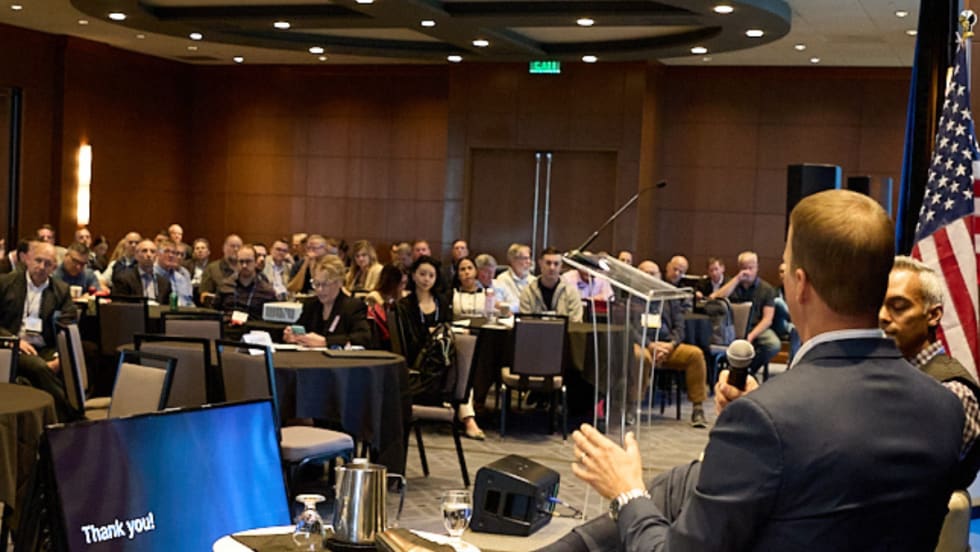
NETS Sets 2026 Fleet Safety Benchmark Conference for Indianapolis
The Sept. 15–17 program will feature fleet benchmarking data, case studies, emerging technologies, and implementation strategies while running alongside the NSC Safety Congress & Expo.
Read More →
Off-the-Job Crashes Account for 43% of Employers’ $61.7 Billion Crash Burden
NETS quantifies costs dispersed across fleet, risk, HR, and other departments while providing new per-crash benchmarks for employers.
Read More →
Ram Recalls More Than 1.27 Million 1500 Pickups for Seat Belt Anchor Issue
The recall affects certain 2019-2026 Ram 1500 pickups that may have improperly attached second-row seat belt buckle anchors.
Read More →
How Better Visibility Cut Speeding Violations by 48%
Fleet leaders don't need more data, they need clearer visibility into what the data is saying. This case study explores how one utility replaced speeding-event counts with a single metric — miles driven in violation — to strengthen safety and significantly reduce speeding violations.
Read More →
Operation Safe Driver Week: Why the Industry's Oldest Safety Campaign Still Matters to Fleets
A look at how a 2007 enforcement initiative became one of the most consequential weeks on the fleet safety calendar, and what it means for your drivers in 2026.
Read More →