




Survey: Fleets Take Grounded Approach Heading Into 2025
Element’s 2025 Market Pulse Report reveals that lowering total cost of ownership is a top priority for 61% of fleets, while only 20% are prioritizing decarbonization this year.
April 22, 2025

According to the Element report, driver safety remains a focus, with 80% of respondents planning or implementing safety initiatives — but only 51% are currently using safety technology.
Photo: Automotive Fleet
3 min to read
In the face of persistent economic uncertainty, shifting OEM dynamics, and increasing operational pressures, fleet managers are turning to a strategy that is less about revolution and more about resilience. That’s one of the main takeaways from Element Fleet Management’s 2025 Market Pulse Report, which outlines how fleet leaders are approaching the year ahead. The survey was conducted from September to November 2024.
The report, based on Element’s annual survey of fleet decision-makers across the U.S. and Canada, provides a data-driven snapshot of current challenges and strategic priorities. The key message is that stability, cost efficiency, and gradual progress are driving the conversation.
“Our goal with this report is to offer a closer look at the factors shaping attitudes, strategies, and best practices in the fleet management industry,” said Steve Jastrow, senior vice president, advisory and analytics at Element. “As a purpose-driven organization, one way we move the world through intelligent mobility is by providing proactive, client-centered insights that enable business to make decisions more confidently.”
Cost Control Rises to the Top
Economic pressures are the leading influence on fleet strategies for 2025. According to the report, 61% of respondents are prioritizing lowering total cost of ownership (TCO) to help offset inflation, and 51% are focused on reducing maintenance costs. Preventive maintenance is emerging as a key tactic, with real-time data playing a larger role in reducing unplanned downtime.
“With a heightened focus on reducing TCO, the importance of preventive maintenance has never been higher,” said Manpreet Rana, vice president, maintenance & contact center operations.
“Leveraging real-time data to monitor fleet performance helps to ensure that vehicles are properly maintained, minimizing unscheduled, expensive repairs, especially when replacement cycles are extended.”
Ordering and Replacement Remain Key
Vehicle ordering and replacement are a top priority for 73% of respondents, underscoring ongoing supply chain considerations and the need to optimize fleet lifecycles.
While OEM production is showing signs of improvement, Element’s data suggests that production levels remain below pre-pandemic norms, contributing to a cautious but deliberate approach to fleet expansion.
Driver Safety: High Priority, Low Tech Adoption
Driver safety continues to be a high priority for fleets, as 80% of organizations surveyed have implemented or plan to implement safety initiatives, but the adoption of supporting technologies is lagging.
Only 51% are actively using driver safety technology, despite well-documented returns in terms of crash reduction and liability mitigation.
“Historically, our clients have seen firsthand value from driver safety technology,” said Anthony Landgren, associate client advisor, strategic advisory services. “It’s a game-changer, keeping drivers safer on the road and cutting down on long-term costs.”
A Shift in Sustainability Strategy
The data also highlights a shift in how fleets are approaching decarbonization. The number of fleets making sustainability a priority dropped to 20% in 2025, down from 41% in 2024.
However, fleets aren’t abandoning green initiatives. Over 60% of respondents without active EV programs are now exploring hybrid vehicles or alternative fuel options as a more practical path forward.
“Business leaders are increasingly prioritizing decarbonizing their fleets,” said Avninder Buttar, senior vice president and head of electrification. “By incorporating hybrid or alternative vehicles into their operations, they are reflecting a growing industry trend to explore diverse, sustainable solutions.”
Stability Over Disruption
Ultimately, the 2025 Market Pulse Report reflects a mindset of pragmatic growth. Fleet leaders are choosing to maintain fleet size (43%) or expand slowly (43%), rather than making large-scale moves.
Telematics and connected solutions are gaining traction, but fleets are focused on specific, immediate outcomes: improving driver performance, reducing downtime, and maximizing asset utilization.
More State of the Fleet Industry

Is the Future of U.S. Fleets Already Unfolding Overseas?
Fleet Forward Conference keynote speaker John Rossant examines how AI, autonomy, and electrification are converging, and why developments in China, Europe, and the Middle East could preview what’s coming for U.S. fleets.
Read More →
Fleet Meets: Amy McAdams
In this edition of Fleet Meets, Amy McAdams shares how an unexpected career move led to more than 15 years in fleet.
Read More →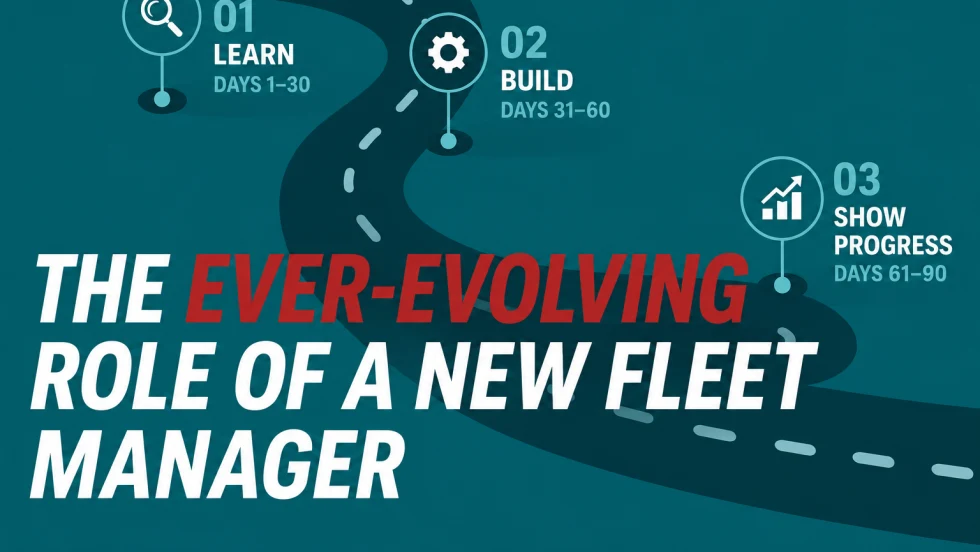
From Tactical to Strategic: A Fleet Manager's First 90 Days
The first 90 days as a fleet manager can be daunting, and the role has changed a lot over the years. What's important now?
Read More →
Fleet Industry Mourns the Passing of Donna Bibbo
Fleet leader Donna Bibbo passed away after a long battle with uterine cancer and a failing heart.
Read More →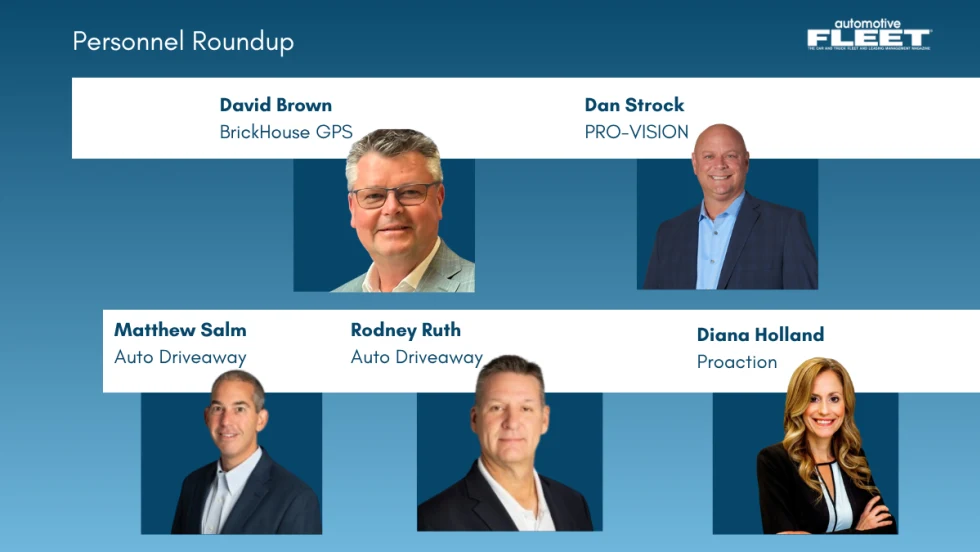
Personnel Update: BrickHouse GPS, PRO-VISION, Auto Driveaway, and Proaction
Check out the latest must-know fleet personnel updates from the last couple of months.
Read More →

‘Mike Just Gives Cars to People’ — And Other Misconceptions Fleet Managers Need to Fix
Most organizations misunderstand fleet. The best managers make sure that doesn’t happen.
Read More →
Why Union Leasing Rebranded to Moventum Fleet Management
Mark Hogland discusses Union Leasing’s transition to Moventum Fleet Management and how the rebrand reflects the company’s growing focus on strategic fleet management and lifecycle support.
Read More →
From Storm Response to Data Strategy: Fleet Trends to Watch | AF News Recap
In this AF news recap, host Faith Howell covers this week's most pressing industry updates.
Read More →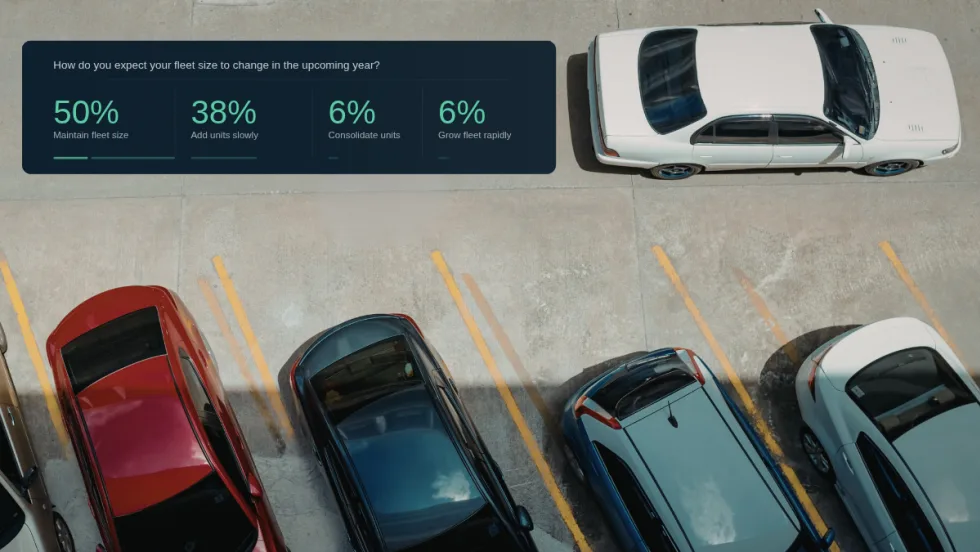
Report: 36% of Fleet Managers Are Delaying Replacements
Element’s 2026 Market Pulse Report finds fleets are slowing replacement cycles amid tariffs, economic uncertainty, and rising costs.
Read More →