




Related: Drivers Cost Fleets More than Fuel Does for Second Year in A Row
Survey: Fleets Investing in Technology to Cut Costs
In a recent survey of the transportation industry by Teletrac Navman, 39% of fleets named reducing costs as a top business goal in 2017.
by Staff
October 19, 2017
Creative Commons
2 min to read

Creative Commons
In a recent survey of the transportation industry by Teletrac Navman, 39% of fleets named reducing costs as a top business goal in 2017.
The survey, which examined best practices, trends, and current issues influencing transportation operations in the U.S., found that reducing costs, increasing fleet size, incorporating telematics solutions, and hiring and retraining new drivers were the top business priorities across the industry.
With margins thin across the industry, more organizations are looking to technology and outsourcing drivers and equipment to improve productivity, streamline operations and reduce waste, according to Teletrac Navman.
"Facing fluctuating fuel costs, a driver shortage and new regulatory challenges, it's not surprising that executives in transportation are doing everything they can to control costs and boost revenue," said Sid Nair, senior director of transport and compliance, Teletrac Navman. "Companies are investing in technologies from telematics to data management tools to help streamline their workflow and connect drivers to the back office. This is only the beginning of a paradigm shift centered around technology adoption and use."
More than three-quarters of the surveyed companies were confident in their ability to be ready for the electronic logging device mandate that takes effect on Dec. 18, with large fleets of 100 or more vehicles reporting the highest confidence. While ELDs are still a major concern for fleets, 28% of the companies reported taking no steps to address the concerns.
Fleets are also looking to modernize to reduce maintenance costs over time. Also, 61% are planning to increase the size of their fleets. Thirty percent of fleets reported outsourcing drivers and trucks in order to meet increasing freight demand.
With the ongoing driver shortage in trucking, 58% of the surveyed fleets reported rewarding drivers for good performance as a tool for retention, and 20% said they would hire more drivers in the next year.
Almost three-quarters of the fleets reported either currently using telematics or planning to do so in the next year, including investing in GPS tracking and fleet management solutions. Of those implementing new technologies, 41% said they were doing it to increase regulatory compliance.
The full report is available online at Teletracnavman.com.
More Telematics
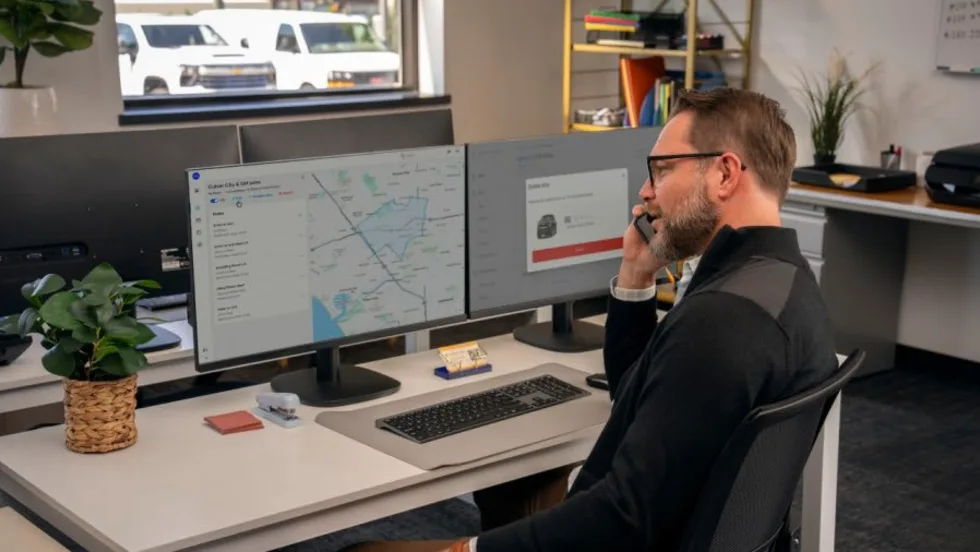
GM Launches OnStar Fleet Intelligence Platform With AI Assistant
The new platform brings vehicle data, order tracking, connected services and fleet analytics into one system, with an AI assistant that can answer fleet questions using natural-language prompts.
Read More →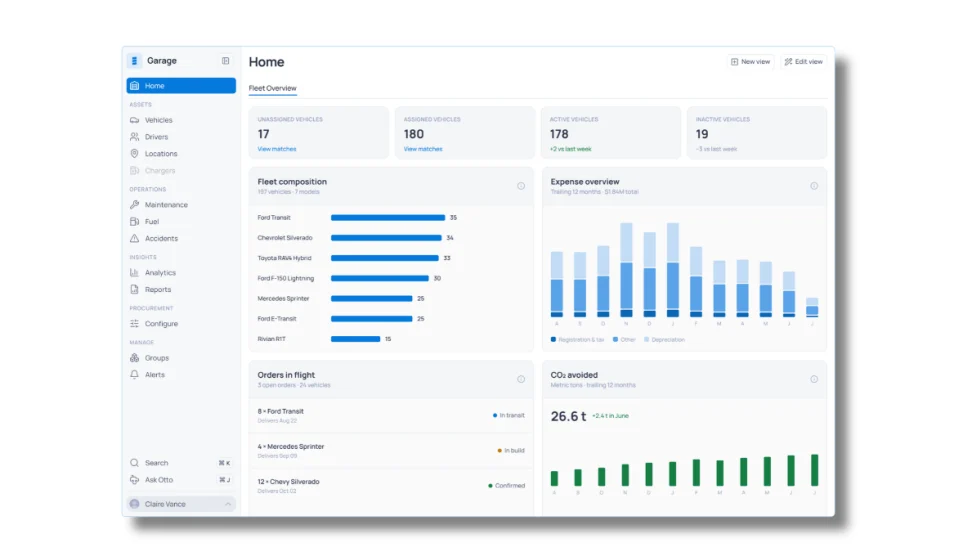
Inspiration Fleet Introduces Garage 2.0 Fleet Intelligence Platform
Fleet managers increasingly have access to data from vehicles, telematics, fuel, charging, and other systems, but those sources don't always communicate with one another. Inspiration Fleet's Garage 2.0 platform brings that information together while letting fleets keep working with different technology and service providers.
Read More →
Inside Inspiration Fleet’s New Platform for Connecting Fleet Data
Inspiration Fleet CTO Chris Getner explains how the new Garage 2.0 platform is designed to connect disparate fleet data and what that could mean for fleet managers in practice.
Read More →
Sponsored•October 1, 2026
Fleet Manager’s Ultimate Playbook: Navigating the New Standard in OEM Connectivity
Rising operating costs, driver safety concerns, and unplanned downtime are putting unprecedented pressure on modern fleets. Discover how fleet managers use embedded OEM connectivity and real-time vehicle data to cut TCO, prevent downtime, and protect drivers without aftermarket telematics hardware.
Read More →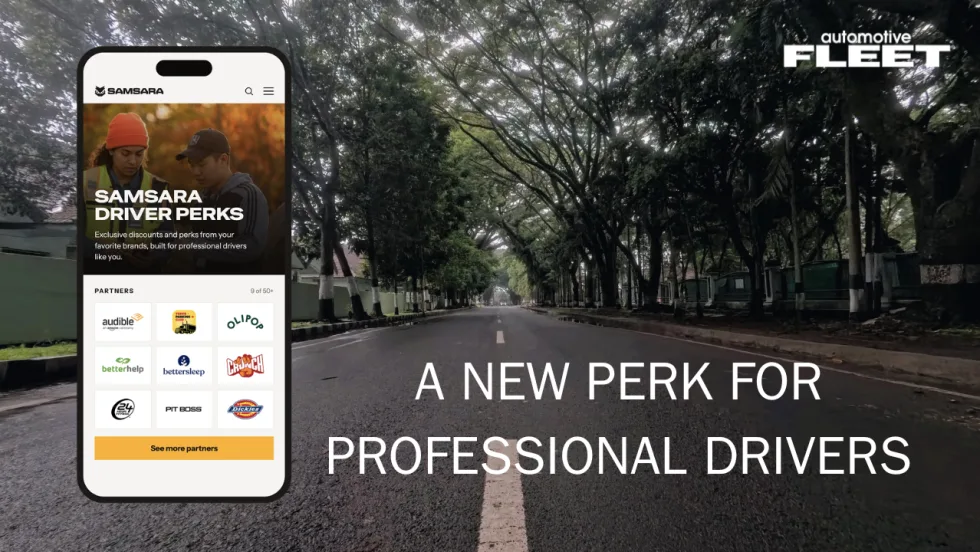
Samsara Driver Perks Adds New Benefit for Corporate Fleet Drivers
The rewards program gives eligible professional drivers access to discounts from more than 50 brands while giving fleets another way to support recruitment, retention, and the driver experience.
Read More →
Inside the Church of Jesus Christ of Latter-day Saints’ Two-Track Telematics Strategy
With 20,000 vehicles and two fundamentally different driver populations, the Church faced a fleet management problem that a single telematics program couldn't solve. How it responded offers a replicable framework for any fleet where one size doesn't fit every driver.
Read More →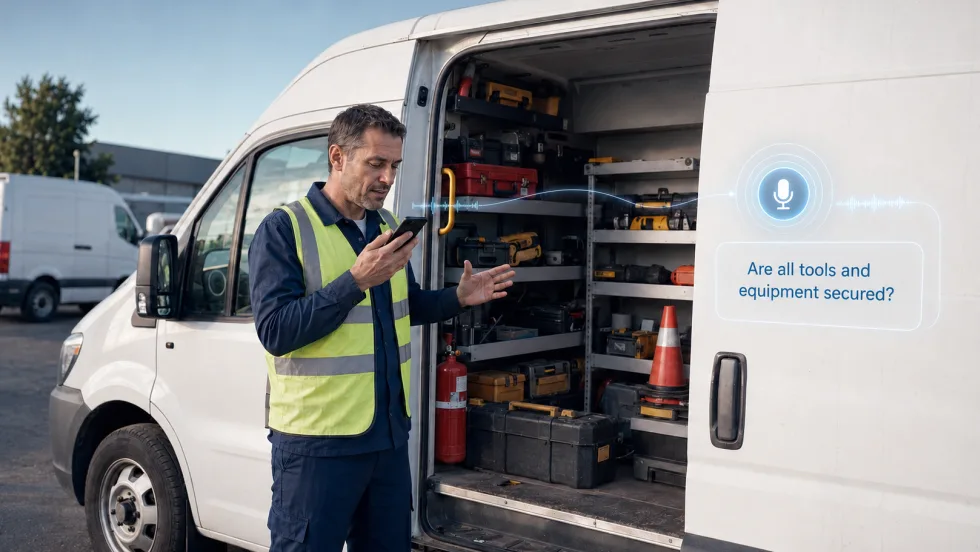
How Conversational AI Can Make Fleet Tasks Easier for Drivers
While most generative AI tools help fleet managers interpret data at their desks, Connex2X is applying voice interaction to tasks behind the wheel.
Read More →
Why Fleets Are Creating Dedicated Fleet Analyst Positions
Are fleet analyst positions the new norm? Listen here to find out.
Read More →
Teletrac Navman Begins Next Chapter as Standalone Private Company
What's new with Teletrac Navman and its new owner?
Read More →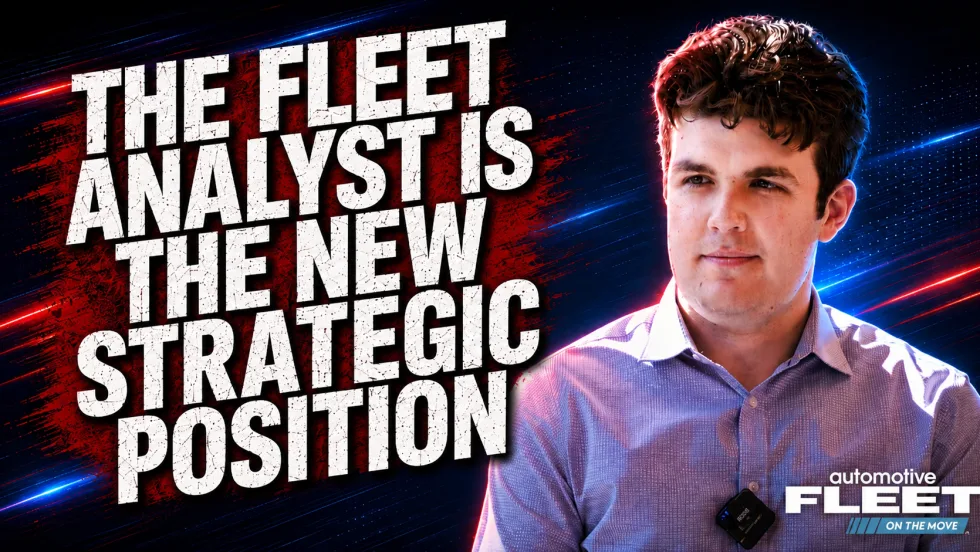
Why Fleets Are Creating Dedicated Fleet Analyst Positions
Telematics, AI, EVs, and connected technologies are generating more fleet data than traditional teams can effectively manage. Reed Jackson explains why dedicated fleet analytics roles are emerging to turn that information into better operational decisions.
Read More →