




MORGANTOWN, W. Va. --- A new national survey concludes that Americans personally believe that developing alternative fuel sources for cars, trucks, SUVs and buses is very important to them. The U.S. National Alternative Fuels Training Consortium (NAFTC) released the survey results. They were presented at the National Alternative Fuel Vehicle Day Odyssey 2006, which was held Oct. 12. The survey found that 55 percent would consider an alternative fuel/advanced technology car, truck or SUV in their next vehicle purchase. "This proactive information campaign has shown over the years that when people understand the benefits of alternative fuel and advanced technology vehicles, they begin to understand why these kinds of vehicles are so important," said Al Ebron, executive director for the NAFTC and National AFV Day Odyssey co-Coordinator. "Our research shows that while 93 percent of Americans believe that developing alternative fuel sources for cars, trucks, buses and SUVs is very important to them, there are still major barriers to overcome for consumers." These barriers include the number of fueling stations available, the higher cost of the vehicles and the lack of information and knowledge about alternative fuel and advanced technology vehicles. NAFTC's national survey, conducted by R.L. Repass & Partners, Inc., polled adults age 18 or older regarding their behaviors and views on alternative fuel vehicles. Results show: -- Alternative fuel/advanced-tech vehicles are becoming more popular. Fifty-five percent said their next vehicle purchase would very (16 percent) or somewhat (39 percent) likely be an alternative fuel/advanced technology car, truck or SUV. Consumers most likely to purchase an alternative fuel/advanced technology vehicle are between the ages of 25 and 34 and 45 and 59. -- Americans are willing to pay more. Respondents said that they would agree to pay more for alternative fuel and advanced technology vehicles if they provided the following benefits: Better fuel efficiency (89 percent), tax breaks (83 percent), less dependence of foreign oil (80 percent), and less pollution and better health for those around them (80 percent). -- More Americans are thinking alternatively. Twenty-seven percent said hybrid vehicles are most likely to be a significant alternative to petroleum-based fuel for cars, trucks, SUVs and buses within 20 years. Twenty-two percent said hydrogen and fuel cell technology is most likely to be a significant alternative by 2026.
Survey: 55 Percent of Americans Would Consider Buying Alt-Fuel/Hi-Tech Vehicle
MORGANTOWN, W. Va. --- A new national survey concludes that Americans personally believe that developing alternative fuel sources for cars, trucks, SUVs and buses is very important to them.
More Fuel
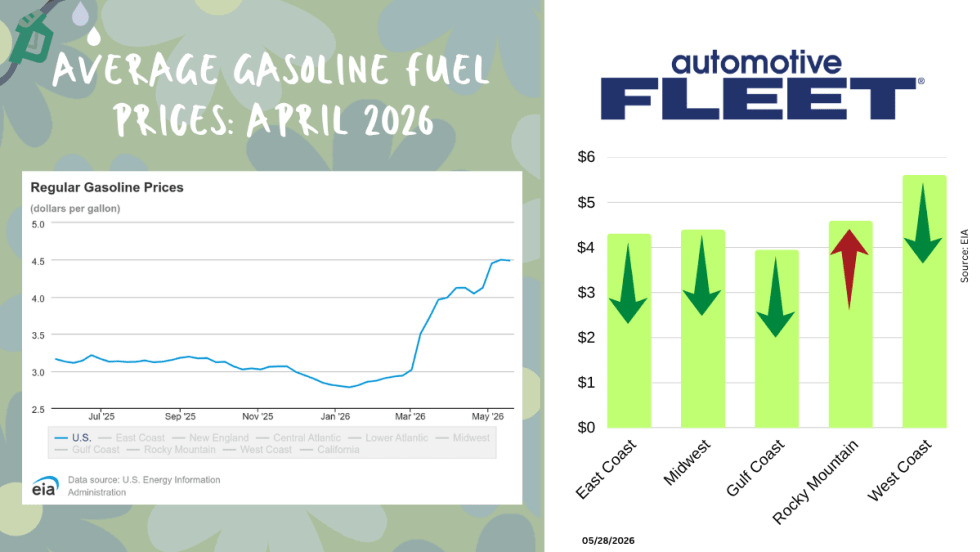
May Fuel Update: Prices Remain Steady with a Slight Decline
While prices have remained steady this week with a 1-cent decline, the next jump is anticipated just before Memorial Day.
Read More →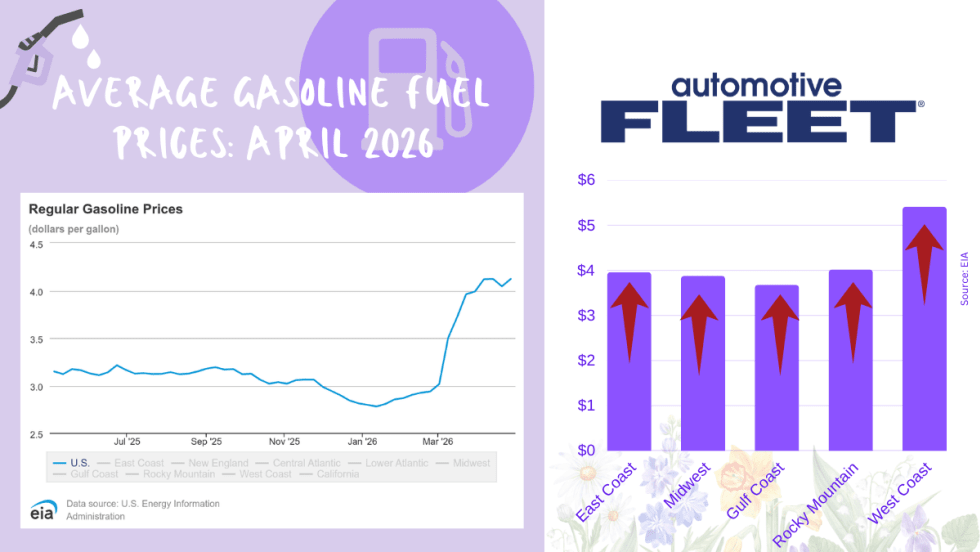
April Fuel Update: Prices Climb Above $4 as Spring Surge Accelerates
National average jumps to $4.04 per gallon, up sharply from last year, with West Coast prices topping $5 and further increases expected amid rising oil tensions.
Read More →
Tips from Fleet Managers on Saving Fuel Costs
Fleet leaders share practical strategies to reduce fuel spend through smarter policy, routing, and driver guidance.
Read More →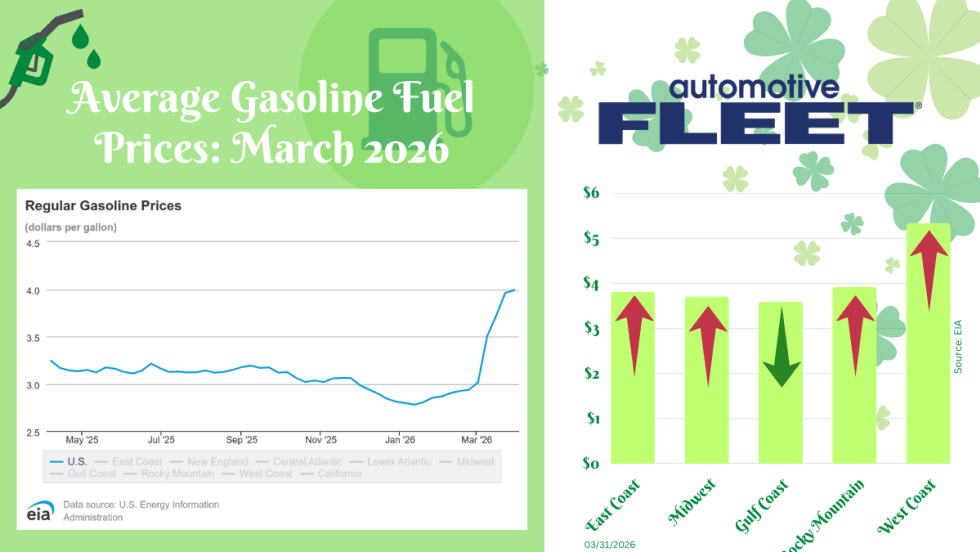
March Fuel Update: Prices Settle With a $4 Average
Fuel prices significantly slowed this week, but a $4 national average is still expected.
Read More →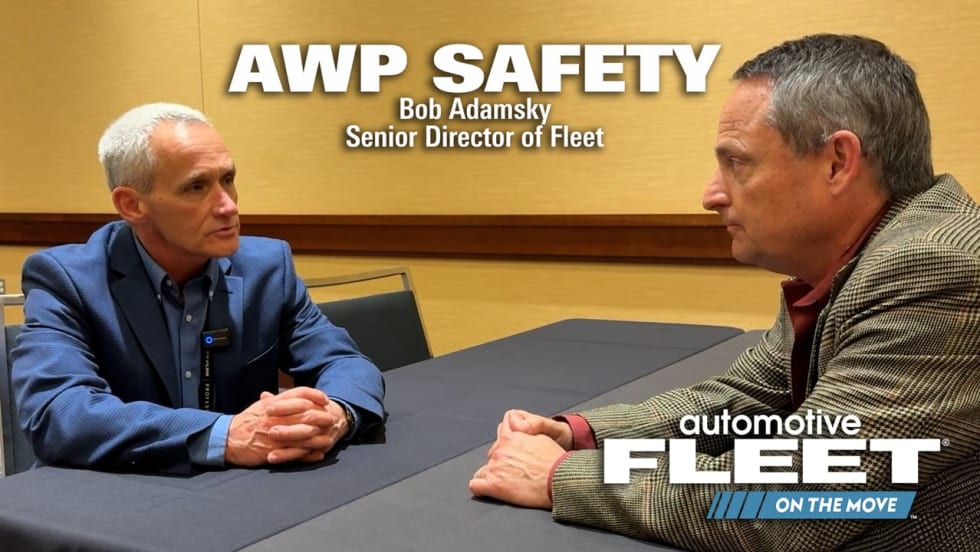
Bob Adamsky on Fuel Volatility: “Don’t Panic — Have a Plan”
With oil prices rising again, AWP Safety’s fleet manager shares how to respond to rising fuel costs and how the right strategy can turn fuel spikes into cost-saving opportunities.
Read More →
Oil Market Turbulence Is Complicating Fleet Cost Planning
Rapid swings in crude oil prices driven by the conflict in the Middle East could create longer-term cost pressures for fleets, affecting fuel prices, supply chains, and vehicle strategy, says NTEA’s Andrew Wrobel.
Read More →
Report: How AI Is Reshaping Fleet and Field Service Operations
AI is rapidly transforming fleet and field service operations, from predictive maintenance and intelligent scheduling to customer self-service and real-time diagnostics. But while organizations are seeing measurable gains in uptime, productivity, and efficiency, many are still navigating workforce adoption, cybersecurity concerns, and data readiness challenges. Explore the latest trends, investment priorities, and emerging AI use cases shaping the future of fleet operations.
Read More →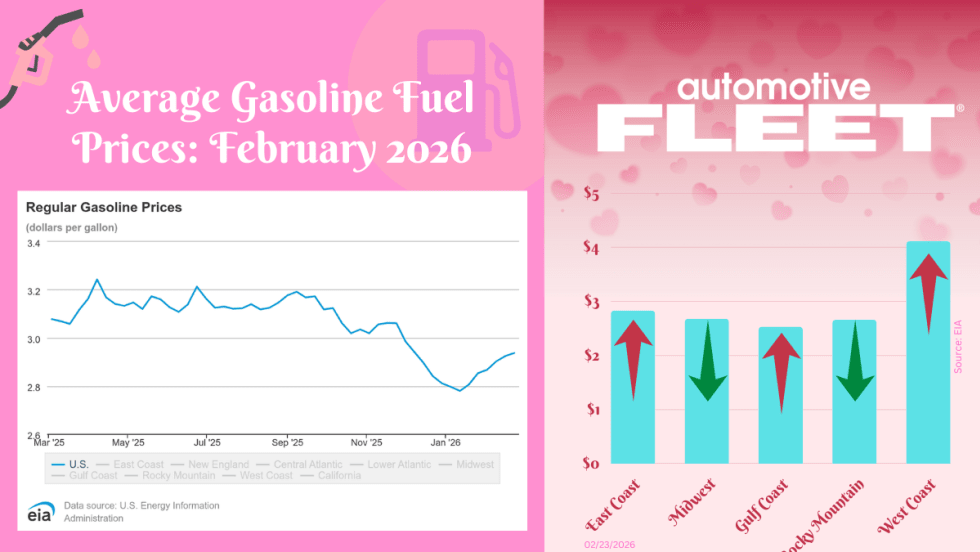
February Fuel Update: Prices Inch Higher for Third Week in a Row
The final February fuel update reveals prices continuing to inch higher for the third week in a row.
Read More →
The 2026 Fuel Economy Guide: Updated Cost and Efficiency Benchmarks for Fleets
Fleet managers can use the DOE’s 2026 Fuel Economy Guide to benchmark MPG across powertrain types using side-by-side vehicle ratings and compare new model-year options.
Read More →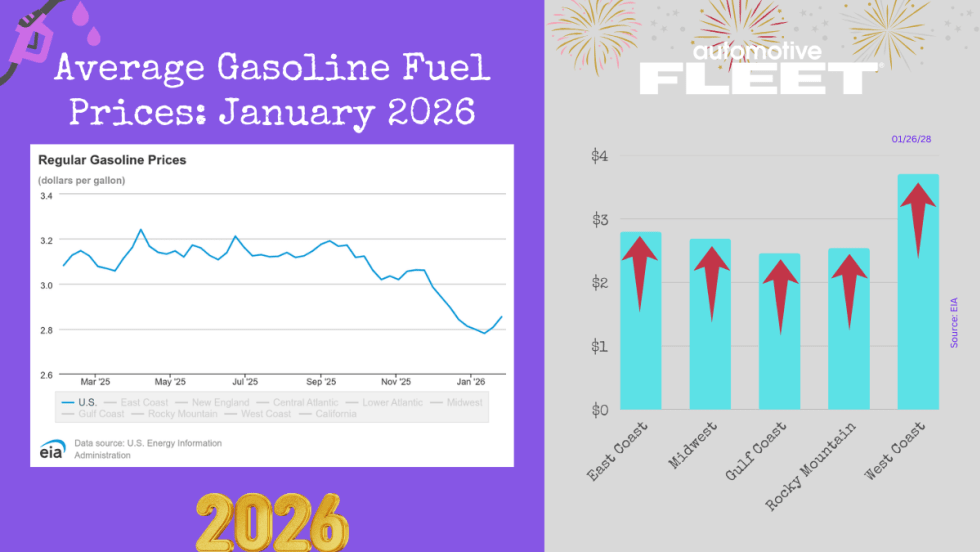
January Fuel Update: Prices Hit Highest Level Since Summer
The national average for fuel prices has officially risen to its highest point since the summer.
Read More →