




Study: For Some Drivers, Texting is Habitual, Automatic Behavior
ANN ARBOR, MI – A new study from the University of Michigan highlights the difficulty that some drivers face when they try to quit a well established habit of texting behind the wheel. Their behavior, triggered by situational cues, is automatic.
ANN ARBOR, MI – A new study from the University of Michigan highlights the difficulty that some drivers face when they try to quit a well established habit of texting behind the wheel.
U-M researchers found that texting while driving is predicted by a person's level of habit — more so than how much someone texts. When people check their cell phones without thinking about it, the habit represents a type of automatic behavior, or automaticity, the researchers said. Automaticity, which was the key variable in the study, is triggered by situational cues and lacks control, awareness, intention and attention.
"In other words, some individuals automatically feel compelled to check for, read and respond to new messages, and may not even realize they have done so while driving until after the fact," said Joseph Bayer, a doctoral student in the Department of Communication Studies and the study's lead author.
This study, which identifies the role of unconscious thought processes in texting and driving, is different from other research that has focused on the effects of this behavior. Thus, the current study investigates the role of habit in texting while driving, with a focus on how -- rather than how much -- the behavior is carried out.
Scott Campbell, associate professor of communication studies and Pohs professor of telecommunications, said that understanding this behavior is not just about knowing how much people text — it's about understanding how they process it.
"A texting cue, for instance, could manifest as a vibration, a 'new message' symbol, a peripheral glance at a phone, an internal 'alarm clock,' a specific context or perhaps a mental state," Campbell explained. "In the case of more habitual behavior, reacting to these cues becomes automatic to the point that the person may do so without even meaning to do it."
In the study, several hundred undergraduate students responded to a questionnaire asking about their perceptions and uses of various aspects of mobile communication technology. They were asked about the level of automaticity and frequency of texting, as well as norms and attitudes toward texting and driving.
The findings show that automatic tendencies are a significant and positive predictor of both sending and reading texts behind the wheel, even when accounting for how much individuals text overall, norms and attitudes.
"Two mobile phone users, then, could use their devices at an equal rate, but differ in the degree to which they perform the behavior automatically," Campbell said.
Bayer noted that the implications of the study may help provide solutions to texting and driving.
Breaking a habit -- whether the habit is between-meal snacking, excessive TV watching or texting while driving -- poses a different set of challenges. That could explain why some fleet drivers struggle so much to fully comply with company cell phone use policies.
"Campaigns to change attitudes about texting while driving can only do so much if individuals don't realize the level at which they are doing it," Bayer said. "By targeting these automatic mechanisms, we can design specific self-control strategies for drivers."
Despite these findings, the researchers said more work is needed to determine if the results are consistent across age groups rather than solely young adults.
The research findings appear in the journal Computers in Human Behavior.
More Safety

Nexar-Nauto Merger Aims to Give Fleets Better Safety Intelligence Through Larger Driving Dataset
Stefan Heck tells Automotive Fleet that combining more than 10 billion miles of driving history with Nexar's AI models will give fleets deeper insights into driver risk and roadway conditions than either company could provide independently.
Read More →
Don't Wait for a Crisis: 5 Ways to Build Mental Health Into Your Fleet Safety Program
For Suicide Prevention Month, fleet and safety leaders have an opportunity to put mental health where it belongs: at the center of workplace safety.
Read More →
How Camera Data Can Strengthen a Fleet’s Insurance Renewal
Insights from a commercial insurance carrier and a broker show how fleets can turn video telematic data, driver coaching, and improved claims results into a stronger case at insurance renewal.
Read More →
The Safest Fleets Aren’t the Ones with the Most Technology
You’ve made the telematics investment. Here’s how to capture the other half of its value and build the safest fleet on the road.
Read More →
Hidden in Plain Sight: Fleet Compliance Risks
Fleet compliance isn't just about having policies — it's about consistently enforcing them. This practical guide reveals six hidden compliance risks common in public sector and shared fleet operations and outlines proven strategies to improve visibility, accountability, and audit readiness
Read More →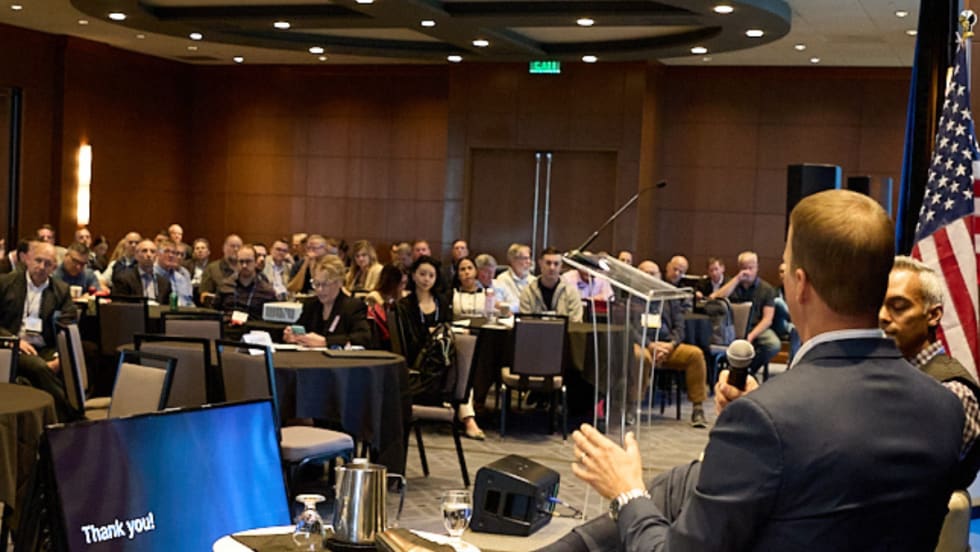
NETS Sets 2026 Fleet Safety Benchmark Conference for Indianapolis
The Sept. 15–17 program will feature fleet benchmarking data, case studies, emerging technologies, and implementation strategies while running alongside the NSC Safety Congress & Expo.
Read More →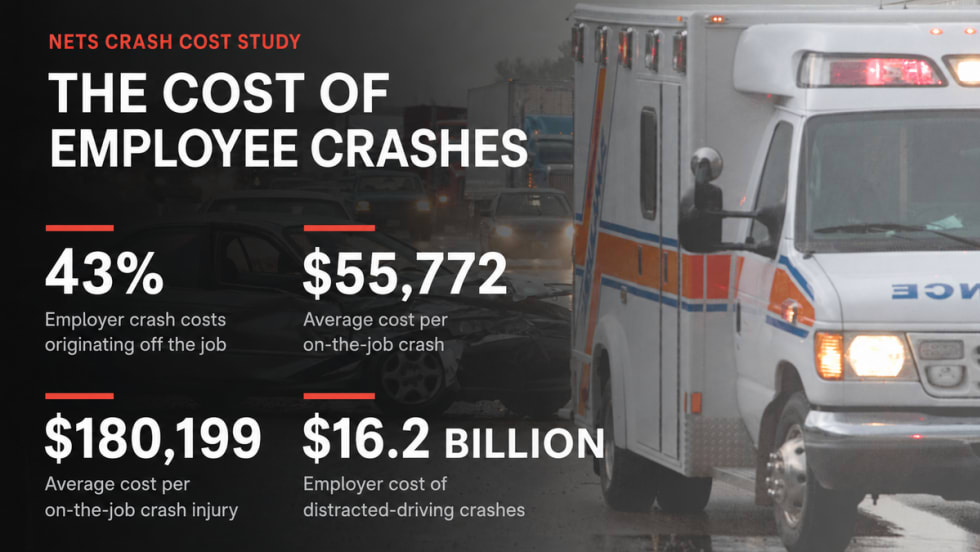
Off-the-Job Crashes Account for 43% of Employers’ $61.7 Billion Crash Burden
NETS quantifies costs dispersed across fleet, risk, HR, and other departments while providing new per-crash benchmarks for employers.
Read More →
Ram Recalls More Than 1.27 Million 1500 Pickups for Seat Belt Anchor Issue
The recall affects certain 2019-2026 Ram 1500 pickups that may have improperly attached second-row seat belt buckle anchors.
Read More →
How Better Visibility Cut Speeding Violations by 48%
Fleet leaders don't need more data, they need clearer visibility into what the data is saying. This case study explores how one utility replaced speeding-event counts with a single metric — miles driven in violation — to strengthen safety and significantly reduce speeding violations.
Read More →
Operation Safe Driver Week: Why the Industry's Oldest Safety Campaign Still Matters to Fleets
A look at how a 2007 enforcement initiative became one of the most consequential weeks on the fleet safety calendar, and what it means for your drivers in 2026.
Read More →