




Study Finds Gas Prices Worry Americans More Than Terrorism
PHILADELPHIA --- With fuel averaging close to $3 a gallon nationwide, more American consumers declare themselves highly concerned about high gas prices (83 percent) than about terrorism (62 percent) or the economy as a whole (69 percent).
PHILADELPHIA --- With fuel averaging close to $3 a gallon nationwide, more American consumers declare themselves highly concerned about high gas prices (83 percent) than about terrorism (62 percent) or the economy as a whole (69 percent). These are findings from the inaugural National Analysts Worldwide "Foods, Fats and Fuels" study completed in March that surveyed a nationally representative sample of 502 consumers via the Web. As a result of soaring gasoline prices, consumers are eyeing alternative energy sources such as biofuels in a favorable light. Among those familiar with biofuels, most (72 percent) view them as a good way to reduce America's dependence on foreign oil and to generate renewable energy supplies (70 pecent). Still, the National Analysts Worldwide study shows there's limited consumer understanding about biofuels. More than one in three (36 percent) consumers said they have never heard of biofuels. And, among those who have, there is uncertainty about the net benefits. Only half (52 percent) are convinced that biofuels produce less greenhouse gas than fossil fuels and two-thirds (65 percent) are not sure whether biofuels require more energy to make than they contain. Ultimately, consumer demand for biofuels comes down to cost. Although 59 percent of consumers claim to be "very concerned" about the environment, four in 10 of those familiar with biofuels say their decision to buy is contingent on a price-at-the-pump that is lower than gasoline; only 12 percent are willing to pay any sort of premium. "At the moment, consumer demand for biofuels is propelled almost entirely by pocketbook considerations," noted Debra Kossman, senior vice president at National Analysts Worldwide. "With gas prices at an all-time high, large numbers of consumers are prepared to entertain use of biofuels and other sources of alternative energy but there is little conviction behind those opinions. At the moment, public perception is being shaped in an information vacuum, which means it can be reshaped rather quickly." Hoping for a more affordable fuel alternative, consumers expressed willingness to support companies that manufacture biofuels. Over half (52 percent) of those who have heard of biofuels agree that companies that make them should receive government tax incentives. Only 2 percent would oppose construction of new ethanol construction facilities and nearly 6 in 10 (59 percent) would support construction in their own community. "All things considered, we seem to be at a real inflection point in the public debate on biofuels," said Susan Schwartz McDonald, president and CEO of National Analysts Worldwide. "For the moment, at least, consumers stand behind the production of biofuels, but their vote of support is propelled solely by the hope of lower fuel prices. Should ethanol production result in higher prices --- either at the pump or in the supermarket due to increased demand for corn or other staples --- some of those favorable attitudes toward the environmental impact of biofuels could quickly dissipate." While most consumers are open to the prospect of alternative fuels, 5 percent of drivers said they would not be willing to purchase biofuel for their own vehicle, even if it cost less per year than gasoline. These respondents voice concern about potential harm to their vehicle's engine or performance, the untested nature of biofuels, and a fear that there will not be enough locations from which to purchase biofuels.
More Fuel

Bob Adamsky on Fuel Volatility: "Don't Panic, Have a Plan."
When it comes to up and down fuel prices, Adamsky has a message for fleets: “Don’t panic.”
Read More →
How Fleets Can Gain Control of Non-Fuel Spend
Fuel often gets the spotlight, but non-fuel expenses can have a major impact on fleet costs. Ramel Lindsay of U.S. Bank Voyager discusses how fleets can gain better visibility and control over these often-overlooked expenditures.
Read More →
Fuel is Just the Start: How Middle East Tensions are Driving Up Fleet Maintenance Costs
The Middle East conflict is doing more than pushing up fuel prices. It’s also raising the cost of key maintenance products your fleet depends on, from motor oil to tires to windshield wipers. Here’s what you need to know about this budget-busting situation.
Read More →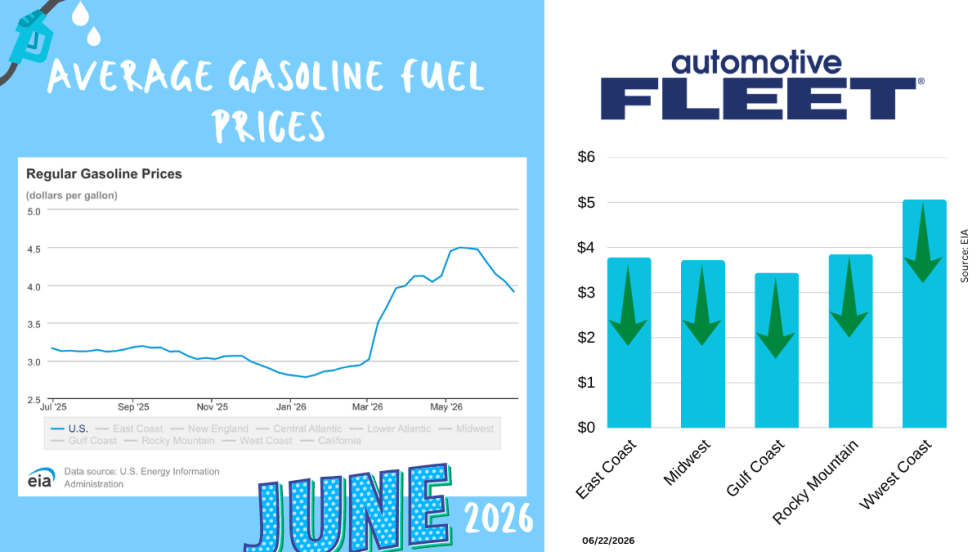
June Fuel Update: Prices Fall Below $4
Drivers are finally getting some relief at the pump. The national average gas price has dropped below $4 a gallon for the first time in months, with prices falling in 47 states as oil markets react to developments in U.S.-Iran negotiations.
Read More →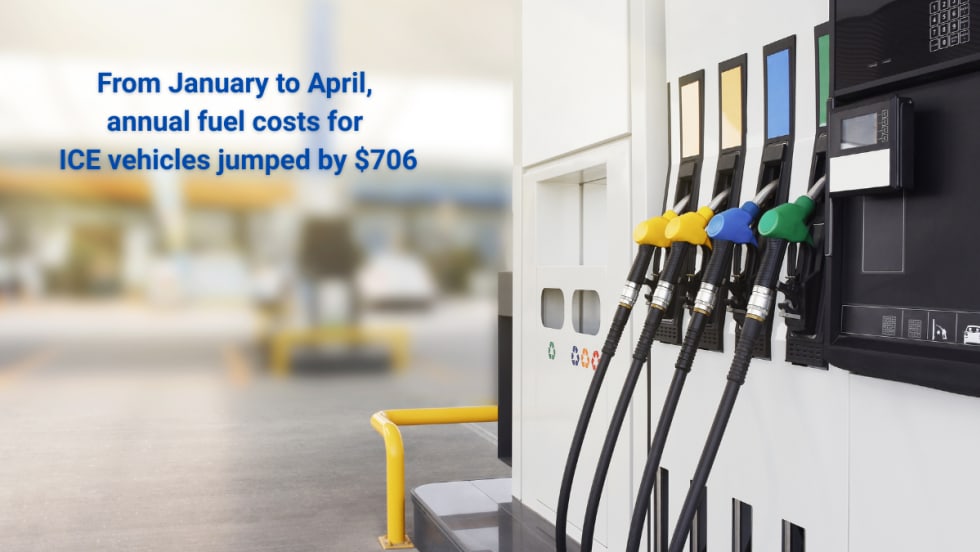
Study: How 2026's Gas Price Hikes Affect Different Vehicle Types
New data from iSeeCars reveals how rising fuel costs have affected different vehicle segments as gasoline prices climbed nearly 46% over the past four months.
Read More →
Are You Tracking Your Fleet's True Total Cost of Ownership?
Bobit Business Media surveyed 190 fleet professionals and found that while most fleets are tracking costs, fragmented systems and data gaps are keeping true TCO visibility out of reach. With rising pressure to control spend in an increasingly volatile environment, the gap between what fleets think they know and what the data actually shows is wider than you might expect. See how your peers are managing costs today and where the industry still has room to improve.
Read More →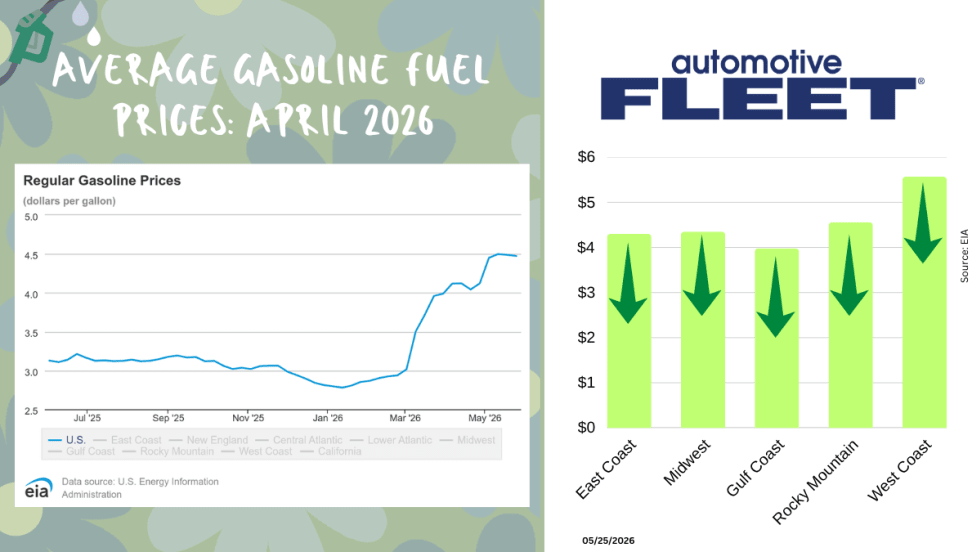
May Fuel Update: All Regions Experience Declines
Gas prices are finally easing in much of the country, but experts warn global tensions could quickly reverse the trend as the national average remains well above last month’s levels.
Read More →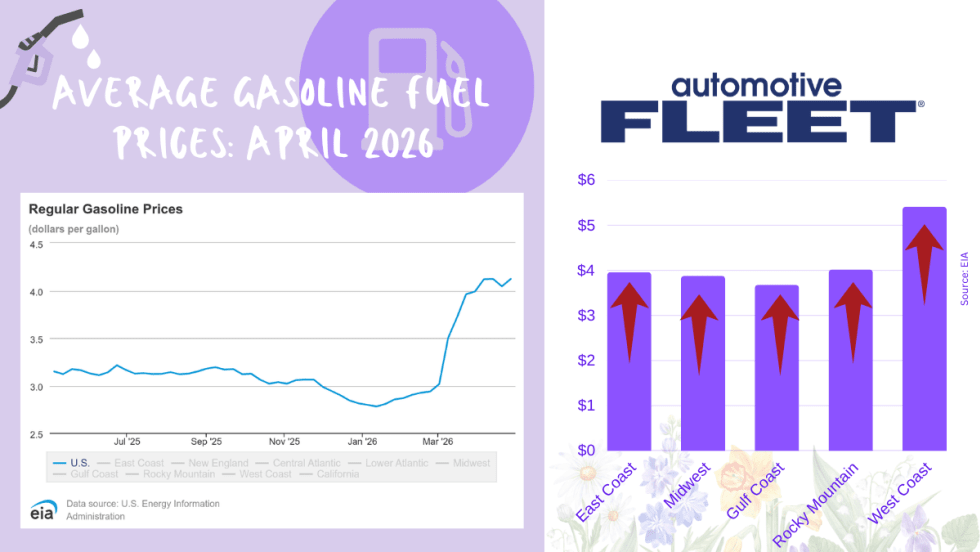
April Fuel Update: Prices Climb Above $4 as Spring Surge Accelerates
National average jumps to $4.04 per gallon, up sharply from last year, with West Coast prices topping $5 and further increases expected amid rising oil tensions.
Read More →
Tips from Fleet Managers on Saving Fuel Costs
Fleet leaders share practical strategies to reduce fuel spend through smarter policy, routing, and driver guidance.
Read More →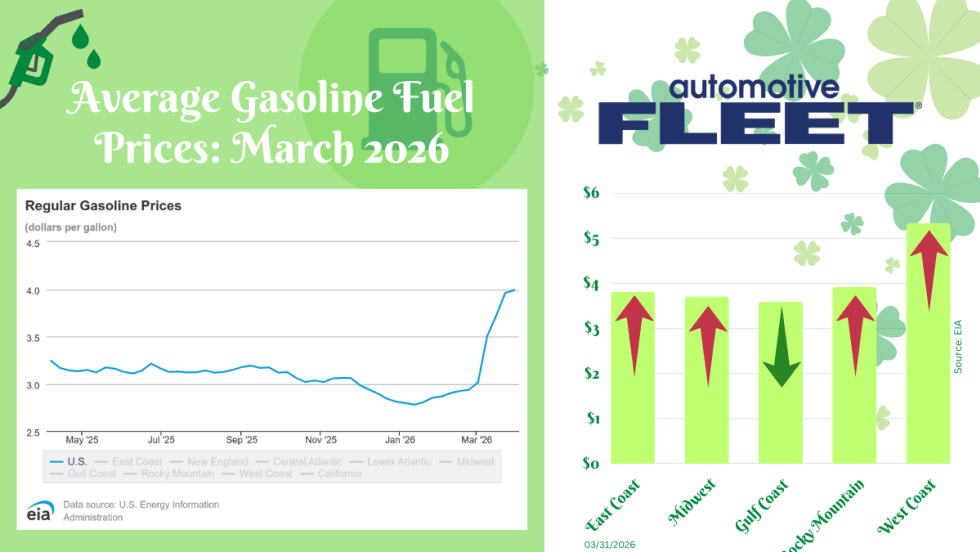
March Fuel Update: Prices Settle With a $4 Average
Fuel prices significantly slowed this week, but a $4 national average is still expected.
Read More →