




Study: Clean Diesel Exhaust Safe for Animal Lungs, Probably Humans
Modern diesels burn so cleanly that laboratory rats suffered no lung illnesses during a lengthy study of their exposure to exhaust gases, according to the Health Effects Institute.


EPA 2010 and later engines emit virtually no soot, as illustrated by this clean exhaust pipe. Photo by Jim Park

EPA 2010 and later engines emit virtually no soot, as illustrated by this clean exhaust pipe.Photo by Jim Park
Modern diesels burn so cleanly that laboratory rats suffered no lung illnesses during a lengthy study of their exposure to exhaust gases, according to the Health Effects Institute, which is releasing a report on Jan. 27.
The results can be interpreted to mean that people’s lungs are also not harmed by what it calls new technology diesel exhaust, or NTDE, because the animal and human organs operate in similar fashion, said the institute’s president, Dan Greenbaum.
The Advanced Collaborative Emissions Study confirmed that amounts of particulate matter and oxides of nitrogen have been reduced by over 90% in new-tech exhaust compared to that from older traditional diesel engines, or TDEs, as Environmental Protection Agency regulations require. And use of new-tech diesels meeting 2007 and 2010 federal standards is becoming widespread, he added.
“We are already seeing a transition in America’s roads with over 30% of the trucks and buses in use today meeting these new standards, and the trend is growing in Europe as well,” Greenbaum said.
“These results confirm the great strides that government and industry have made to reduce diesel risk – and argue for even greater efforts to accelerate the replacement of older diesel engines.”
Scientists directed exhaust from new-tech diesel engines at lab rats for up to 80 hours a week for as long as 30 months, a rat’s lifetime, he said. They looked for effects from nitrogen dioxide, or NO2, which is known to cause cancerous tumors in rats’ lungs, and particulate matter, or PM, which was labeled a carcinogen after a study in California years ago.
“In contrast to previous health studies of TDE, the ACES study found that lifetime exposure did not induce tumors or pre-cancerous changes in the lung and did not increase tumors related to NTDE in any other tissue,” the report said.
“A few mild changes were seen in the lungs, consistent with long-term exposure to NO2, a component of NTDE that has been further substantially reduced in 2010- and later model year engines compliant with U.S. EPA rules.”
NO2 is among the oxides of nitrogen commonly called NOx, and PM is also called soot.
“We were measuring toxics, PM, everything,” Greenbaum said. “NO2 was also consistently measured. PM could hardly be measured at all. PM coming into the cages was actually lower than the PM coming out of the cages, generated by the rats themselves.”
Rats’ particulate matter included dandruff from fir, particles from chewing food, “lots of different stuff,” he said. “The point is, there’s almost nothing coming out of these engines. And I point out, the test cycle we used for these engines was more rigorous than what the EPA uses in its testing. So it was a tough study.”
Research was conducted by Drs. Jacob D. McDonald of the Lovelace Respiratory Research Institute, Albuquerque, New Mexico; Jeffrey C. Bemis of Litron Laboratories, Rochester, New York;, Lance M. Hallberg of the University of Texas Medical Branch, Galveston, Texas, and Daniel J. Conklin, of the University of Louisville, in Kentucky. Results were reviewed by separate, independent panels, which concurred in the findings.
The correlation between rats and humans is well established, Greenbaum explained.
“Rats breathe in the way we do, and we know from other studies that they react the way we do. A human study would take 40 years.”
HEI was established as a result of animosity between government regulators and industry leaders in the early days of the environmental movement, he said.
“The Health Effects Institute has been around for 30 years,” Greenbaum said. “It was founded out of total distrust between EPA and the industry. We’re funded jointly by EPA and the diesel companies, not just heavy duty but also light duty.
"Neither the EPA nor the industry gets to pick the participants, establish the research methods or review the findings of a report before it’s released. We’re pretty well respected that way.”
More Fuel

Fuel Prices Surge in September | September Fuel Update
September brought major fuel price swings, including diesel crossing $6 a gallon. Here’s how gas and diesel prices changed throughout the month, and where they stood heading into October.
Read More →
Turning Fleet Payment Data into Executive Insights
Ramel Lindsay of U.S. Bank Voyager discusses how fleets can transform payment and transaction data into actionable intelligence to reduce costs, improve oversight, and support executive decision-making.
Read More →
Why the IRS Raised Its Mileage Rate in the Middle of 2026
Fuel-price volatility drove the rare increase to 76 cents per mile, the fifth midyear adjustment since 2000.
Read More →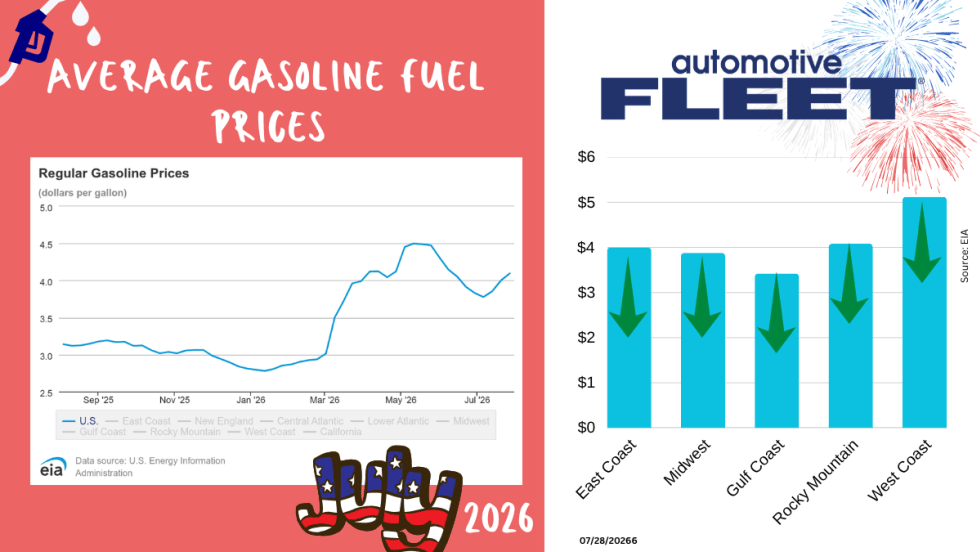
July Fuel Update: Prices Keep Rising in Light of More Conflict
Gas prices continue to rise as more and more conflicts do, too.
Read More →
Bob Adamsky on Fuel Volatility: "Don't Panic, Have a Plan."
When it comes to up and down fuel prices, Adamsky has a message for fleets: “Don’t panic.”
Read More →
How Fleets Can Gain Control of Non-Fuel Spend
Fuel often gets the spotlight, but non-fuel expenses can have a major impact on fleet costs. Ramel Lindsay of U.S. Bank Voyager discusses how fleets can gain better visibility and control over these often-overlooked expenditures.
Read More →
Fuel is Just the Start: How Middle East Tensions are Driving Up Fleet Maintenance Costs
The Middle East conflict is doing more than pushing up fuel prices. It’s also raising the cost of key maintenance products your fleet depends on, from motor oil to tires to windshield wipers. Here’s what you need to know about this budget-busting situation.
Read More →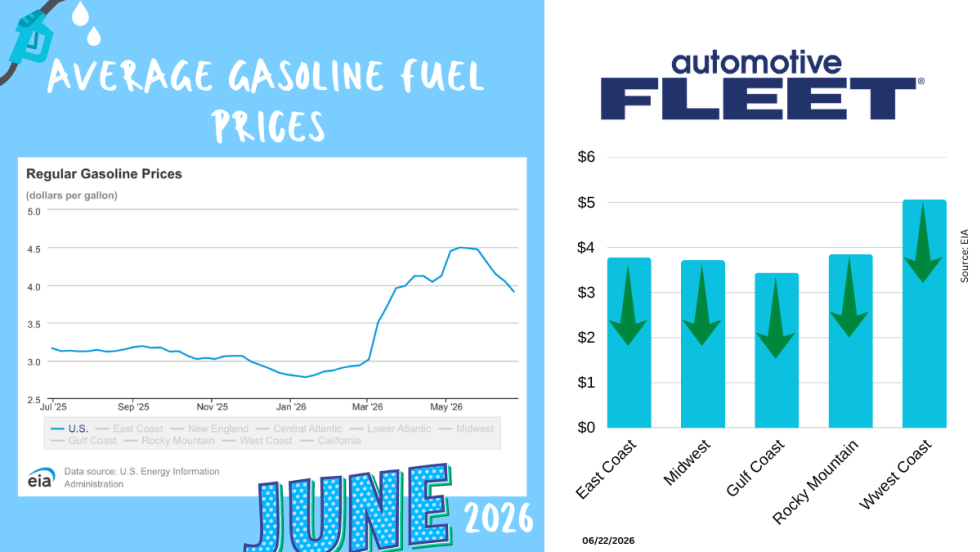
June Fuel Update: Prices Fall Below $4
Drivers are finally getting some relief at the pump. The national average gas price has dropped below $4 a gallon for the first time in months, with prices falling in 47 states as oil markets react to developments in U.S.-Iran negotiations.
Read More →
Study: How 2026's Gas Price Hikes Affect Different Vehicle Types
New data from iSeeCars reveals how rising fuel costs have affected different vehicle segments as gasoline prices climbed nearly 46% over the past four months.
Read More →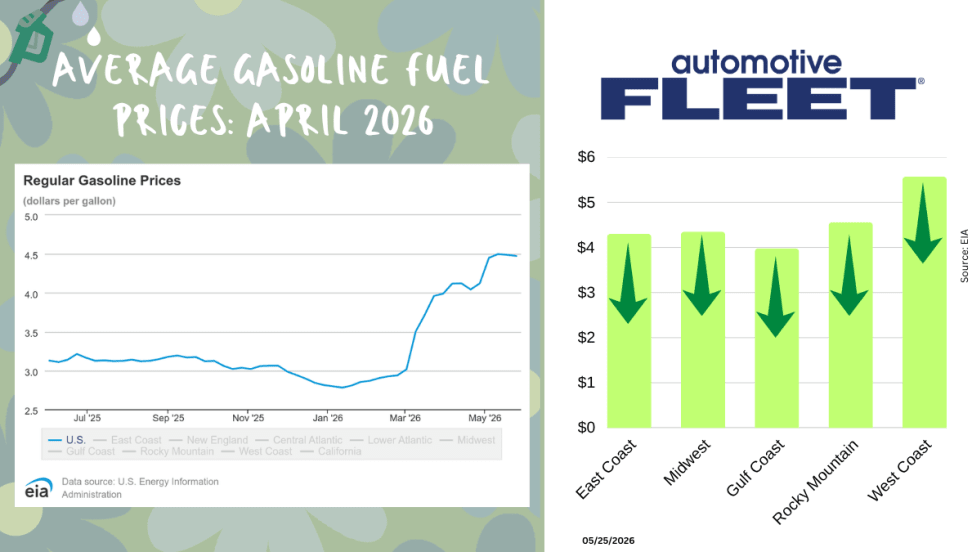
May Fuel Update: All Regions Experience Declines
Gas prices are finally easing in much of the country, but experts warn global tensions could quickly reverse the trend as the national average remains well above last month’s levels.
Read More →