




Stay Prepared: How to Travel Safely Labor Day Weekend
Learn about the potential risks of commuting during this Labor Day holiday, including tips to keep your fleet drivers safe while sharing the road with travelers.

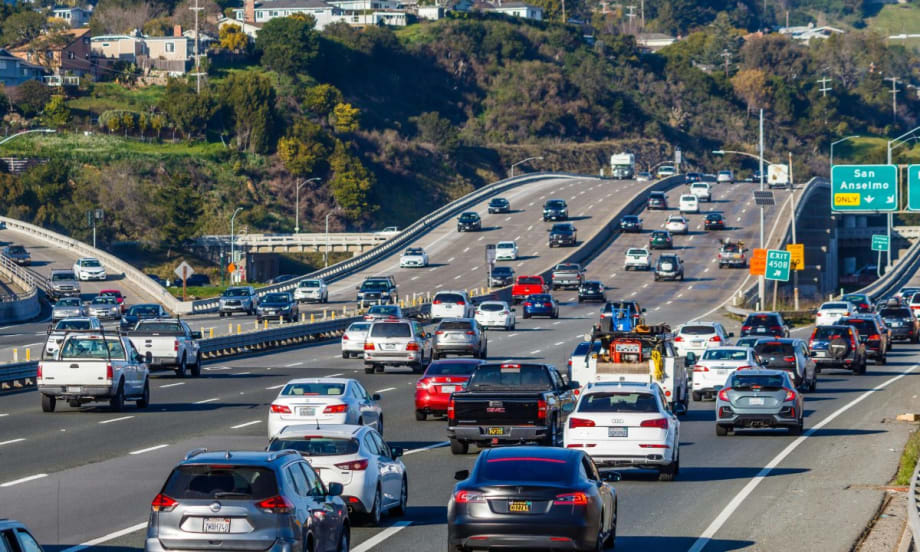
Holiday travel periods heighten the likelihood of crashes due to the increase in road users.
Photo: Robert So/Pexels
Millions of Americans are gearing up to celebrate Labor Day. While the holiday weekend brings barbecues, parades, and end-of-summer fun, it also poses significant risks on the road.
Many commercial fleet drivers will remain hard at work even during the holiday. It's essential to stress the importance of making smart and safe choices during holidays like Labor Day.
Road and Travel Safety
The National Safety Council (NSC) estimates 424 people may die on U.S. roads this Labor Day holiday period, which is down 7% from 2024.
Car travelers should plan accordingly, as roads can become congested quickly. To avoid traffic caused by the combination of travelers and commuters, AAA suggests planning your driving time for early Friday morning, unless you're hitting the road on Saturday, when the best time to travel by car is in the afternoon.
Travelers and commuters rolling out on Sunday and Labor Day should leave as early as possible to avoid heavy traffic. Allow yourself more time to arrive at your destination. More road users mean longer commute times.
How to Stay Prepared
AAA responded to more than 383,000 calls from stranded motorists in 2024.
“Labor Day weekend marks one of the busiest travel periods of the year, and our roadside assistance crews are ready to respond swiftly to those in need,” said Montrae Waiters, spokeswoman for AAA – The Auto Club Group. “Still, a few proactive measures before heading out can make all the difference. A quick vehicle check can help avoid unexpected breakdowns, saving time, money, and stress—and most importantly, keeping everyone safe on the road.”
Here are some recommendations to help you stay prepared and prevent incidents during the holiday.
Vehicle Maintenance
Tires: Inspect tread depth and proper inflation, including the spare tire.
Battery: Test for signs of wear, such as slow engine starts or dim lights, and replace if needed.
Brakes: Listen for grinding noises or vibrations, which may signal a need for service.
Wiper Blades: Replace if they streak or fail to clear the windshield effectively.
Fluids: Check and top off oil, coolant, and brake fluids as recommended in the owner’s manual.
NSC Safety Precautions:
Prepare before you go: Before hitting the road, ensure your car is safe for driving. Vehicle owners should check the oil, inflate the tires, and inspect for any open recalls.
Buckle up: Lack of seat belt use is a top cause of crash fatalities.
Slow down: Speeding is a factor in more than a quarter of all traffic fatalities.
Drive distraction-free: Put your phones away while driving and remain alert.
As you plan your Labor Day celebrations or head to work, remember that prioritizing safety on the road is essential for ensuring a fun and accident-free holiday weekend.
Editor’s note: This article was originally published in August 2024 and has been updated for continued relevance.
More Safety

Fleet Manager’s Ultimate Playbook: Navigating the New Standard in OEM Connectivity
Rising operating costs, driver safety concerns, and unplanned downtime are putting unprecedented pressure on modern fleets. Discover how fleet managers use embedded OEM connectivity and real-time vehicle data to cut TCO, prevent downtime, and protect drivers without aftermarket telematics hardware.
Read More →
From Driver Well-Being to EV Charging | AF News Recap
Mental health belongs in the fleet safety conversation. This week, we’re looking at five ways fleets can support employee well-being before a crisis, plus Holman’s expansion in Mexico, new one-day Fleet Forward passes, and why EV charging demand is outpacing infrastructure growth.
Read More →
Nexar-Nauto Merger Aims to Give Fleets Better Safety Intelligence Through Larger Driving Dataset
Stefan Heck tells Automotive Fleet that combining more than 10 billion miles of driving history with Nexar's AI models will give fleets deeper insights into driver risk and roadway conditions than either company could provide independently.
Read More →
Don't Wait for a Crisis: 5 Ways to Build Mental Health Into Your Fleet Safety Program
For Suicide Prevention Month, fleet and safety leaders have an opportunity to put mental health where it belongs: at the center of workplace safety.
Read More →
How Camera Data Can Strengthen a Fleet’s Insurance Renewal
Insights from a commercial insurance carrier and a broker show how fleets can turn video telematic data, driver coaching, and improved claims results into a stronger case at insurance renewal.
Read More →
The Safest Fleets Aren’t the Ones with the Most Technology
You’ve made the telematics investment. Here’s how to capture the other half of its value and build the safest fleet on the road.
Read More →
Hidden in Plain Sight: Fleet Compliance Risks
Fleet compliance isn't just about having policies — it's about consistently enforcing them. This practical guide reveals six hidden compliance risks common in public sector and shared fleet operations and outlines proven strategies to improve visibility, accountability, and audit readiness
Read More →
NETS Sets 2026 Fleet Safety Benchmark Conference for Indianapolis
The Sept. 15–17 program will feature fleet benchmarking data, case studies, emerging technologies, and implementation strategies while running alongside the NSC Safety Congress & Expo.
Read More →
Off-the-Job Crashes Account for 43% of Employers’ $61.7 Billion Crash Burden
NETS quantifies costs dispersed across fleet, risk, HR, and other departments while providing new per-crash benchmarks for employers.
Read More →
Ram Recalls More Than 1.27 Million 1500 Pickups for Seat Belt Anchor Issue
The recall affects certain 2019-2026 Ram 1500 pickups that may have improperly attached second-row seat belt buckle anchors.
Read More →