




Speed Limit Hikes Causing More Road Deaths
A new study from the Insurance Institute for Highway Safety calculates what impact higher speed limits had on road fatalities from 1993 to 2013.
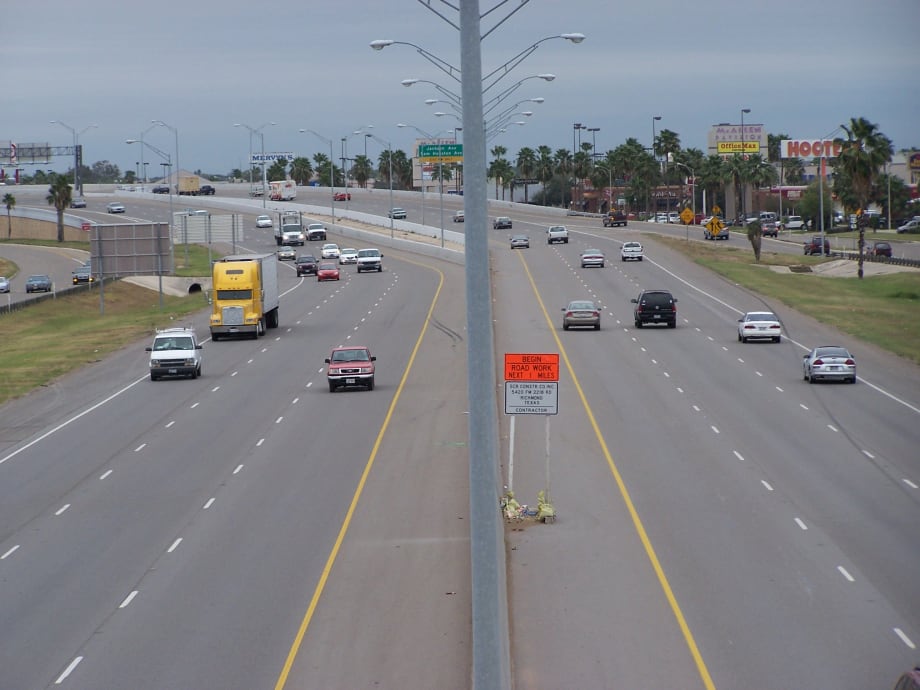
Photo by L1CENSET0K1LL via Wikimedia Commons.
Photo by L1CENSET0K1LL via Wikimedia Commons.
State decisions to raise speed limits have cost 33,000 lives in the U.S. over two decades, according to a new study from the Insurance Institute for Highway Safety.
In 2013 alone, speed limit increases resulted in 1,900 more road deaths, IIHS research found. That increase basically canceled out the number of lives saved by frontal air bags that same year.
“Although fatality rates fell during the study period, they would have been much lower if not for states’ decisions to raise speed limits,” said Charles Farmer, IIHS vice president for research and statistical services and the author of the study.
The study examined the effect of all speed limit increases in 41 states from 1993 to 2013. Not included were increases of the past three years. The District of Columbia and nine states were excluded because they had relatively few vehicle miles traveled each year, resulting in wide swings in their annual fatal crash rates.
To reach his conclusions, Farmer looked at deaths per billion miles traveled by state and roadway type. He also took into account other factors affecting the fatality rate, including changes in unemployment, the number of potential young drivers (ages 16-24) and per capital alcohol consumption. Ultimately, he determined that each 5 mph increase in the maximum speed limit resulted in a 4% increase in fatalities. On interstates and freeways, the increase was 8%.
Farmer compared the annual number of fatalities in the 41 states against the expected numbers had each state’s maximum speed limit remained unchanged since 1993. This calculation brought him to the estimate of 33,000 additional fatalities over the 20-year period.
The total of 33,000 is likely an underestimate, Farmer said, because he considered only increases in the maximum speed limit, which often applies to rural interstates only. Many states also increased speed limits on urban interstates.
Additionally, some states raised speed limits on one section of road and subsequently extended the higher limit to other sections. Those changes weren’t factored in, either.
Speed limits have continued to climb since the end of the 20-year period covered by the study. Six states now have 80 mph limits. Some roads in Texas even permit driving at 85 mph.
"Since 2013, speeds have only become more extreme, and the trend shows no sign of abating,” Farmer said. “We hope state lawmakers will keep in mind the deadly consequences of higher speeds when they consider raising limits.”
To download the study, click here.
In response to the study’s conclusions, the Governors Highway Safety Association issued a statement urging states and communities to stop raising speed limits. Instead, GHSA encouraged strong enforcement of existing speed limits, both through policing and judicious use of speed cameras.
“We know that crashes are more deadly as speeds increase,” GHSA said. “In addition, most drivers treat maximum speeds as a minimum target. Past research has shown that as posted speed limits are raised, drivers will exceed these limits, and more fatal crashes will result. This new research reinforces earlier studies and provides clear evidence of the negative safety implications from increasing speed limits.”
The National Safety Council released a statement as well.
“The National Safety Council strongly urges states, cities and municipalities to study this report and its implications on current speed limits, and to prioritize the adoption and use of speed cameras and automated enforcement, which has been proven to save lives, while ramping up traditional enforcement tactics," the organization said.
More Safety

Nexar-Nauto Merger Aims to Give Fleets Better Safety Intelligence Through Larger Driving Dataset
Stefan Heck tells Automotive Fleet that combining more than 10 billion miles of driving history with Nexar's AI models will give fleets deeper insights into driver risk and roadway conditions than either company could provide independently.
Read More →
Don't Wait for a Crisis: 5 Ways to Build Mental Health Into Your Fleet Safety Program
For Suicide Prevention Month, fleet and safety leaders have an opportunity to put mental health where it belongs: at the center of workplace safety.
Read More →
How Camera Data Can Strengthen a Fleet’s Insurance Renewal
Insights from a commercial insurance carrier and a broker show how fleets can turn video telematic data, driver coaching, and improved claims results into a stronger case at insurance renewal.
Read More →
The Safest Fleets Aren’t the Ones with the Most Technology
You’ve made the telematics investment. Here’s how to capture the other half of its value and build the safest fleet on the road.
Read More →
Hidden in Plain Sight: Fleet Compliance Risks
Fleet compliance isn't just about having policies — it's about consistently enforcing them. This practical guide reveals six hidden compliance risks common in public sector and shared fleet operations and outlines proven strategies to improve visibility, accountability, and audit readiness
Read More →
NETS Sets 2026 Fleet Safety Benchmark Conference for Indianapolis
The Sept. 15–17 program will feature fleet benchmarking data, case studies, emerging technologies, and implementation strategies while running alongside the NSC Safety Congress & Expo.
Read More →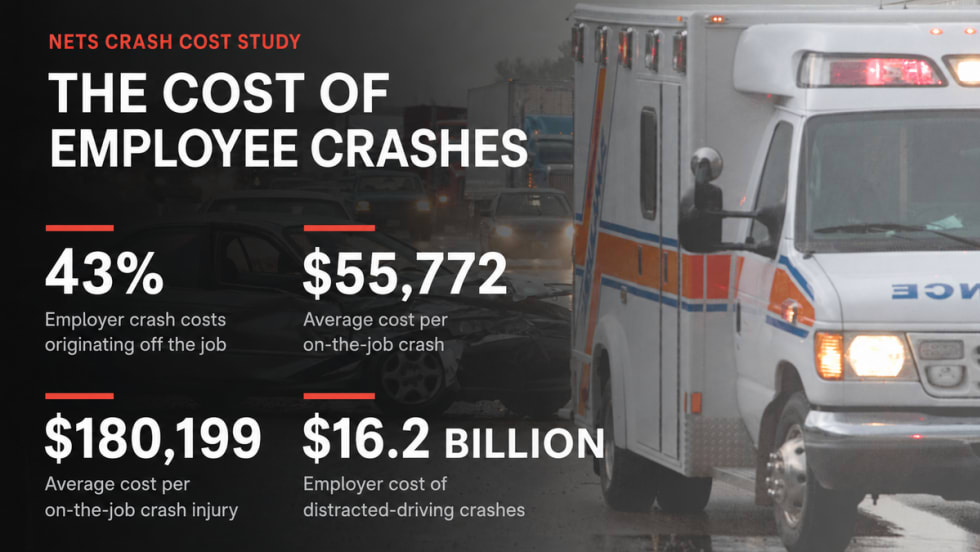
Off-the-Job Crashes Account for 43% of Employers’ $61.7 Billion Crash Burden
NETS quantifies costs dispersed across fleet, risk, HR, and other departments while providing new per-crash benchmarks for employers.
Read More →
Ram Recalls More Than 1.27 Million 1500 Pickups for Seat Belt Anchor Issue
The recall affects certain 2019-2026 Ram 1500 pickups that may have improperly attached second-row seat belt buckle anchors.
Read More →
How Better Visibility Cut Speeding Violations by 48%
Fleet leaders don't need more data, they need clearer visibility into what the data is saying. This case study explores how one utility replaced speeding-event counts with a single metric — miles driven in violation — to strengthen safety and significantly reduce speeding violations.
Read More →
Operation Safe Driver Week: Why the Industry's Oldest Safety Campaign Still Matters to Fleets
A look at how a 2007 enforcement initiative became one of the most consequential weeks on the fleet safety calendar, and what it means for your drivers in 2026.
Read More →