




Scientists Make Case for More Biofuel Research
WEST LAFAYETTE, IN --- While cellulosic biofuels derived from grasses, crop residues and inedible plant parts have real potential to be more efficient and environmentally friendly than grain-based biofuels like corn ethanol, more research and science-based policies are needed to reap these benefits, said an international group of experts.
WEST LAFAYETTE, IN --- While cellulosic biofuels derived from grasses, crop residues and inedible plant parts have real potential to be more efficient and environmentally friendly than grain-based biofuels like corn ethanol, more research and science-based policies are needed to reap these benefits, said an international group of experts.
In an article published Friday, Oct. 3, in the journal Science, Purdue University agricultural economist Otto Doering and a team of 22 other scientists write that there is an urgent need for more comprehensive and collaborative research. This will help next-generation fuels avoid the pitfalls of grain-based biofuels, which include increased nutrient runoff and clearing of new land to recoup lost food production, Doering said.
"It's important that we begin thinking about how to deal with the unintended consequences of cellulosic biofuels as early as possible in order to ensure that they can be produced sustainably," Doering said.
The Renewable Fuel Standard within last year's energy bill guarantees cellulosic biofuels a relatively bright future, mandating that American companies purchase 21 billion gallons of cellulosic ethanol by 2022. But many questions remain unanswered, like how to comprehensively measure the impact of biofuels. To date, measures often reflect a single dimension rather than considering the system as a whole.
"There are a broad array of concerns," Doering said. "We need to consider biofuel's likely impact on water use and availability along with water quality, especially nutrient runoff. Greenhouse gas emissions must also be considered, as well as effects on soils and the landscape."
Rising demand for corn grain ethanol has gone hand-in-hand with increased water use and, oftentimes, increased nutrient runoff, Doering said. There also is mixed evidence that corn grain ethanol reduces greenhouse gas emissions. The intensive corn cultivation encouraged by high ethanol demand can degrade soil and water quality, he said.
Doering, recently appointed to the Environmental Protection Agency's Scientific Advisory Board, said more work is needed to develop and successfully apply "best management practices" to minimize nutrient, chemical and water use while limiting greenhouse gas emissions.
It's important to remember, Doering said, that existing best management practices can help soften the impact of increased corn production and intensified agriculture. Such practices include no-till farming methods, planting of cover crops, diversity-oriented crop rotation and inclusion of uncultivated fallow land into the landscape. All these practices help retain soil nutrients and offer benefits like wildlife habitat and natural pest suppression.
Cellulose, a complex carbohydrate present in all plant tissues, is more abundant in plants than starch. Humans also are unable to digest cellulose. This means cellulosic feedstocks are less likely to displace acreage devoted to food crops.
"The paper is really a plea to think carefully before jumping into cellulosics," Doering said. "We want to avoid making mistakes we're likely to later regret."
Michigan State University researcher G. Philip Robertson was lead author of the Science article. Authors hail from universities and institutions from two countries and 16 states.
More Fuel

Turning Fleet Payment Data into Executive Insights
Ramel Lindsay of U.S. Bank Voyager discusses how fleets can transform payment and transaction data into actionable intelligence to reduce costs, improve oversight, and support executive decision-making.
Read More →
Why the IRS Raised Its Mileage Rate in the Middle of 2026
Fuel-price volatility drove the rare increase to 76 cents per mile, the fifth midyear adjustment since 2000.
Read More →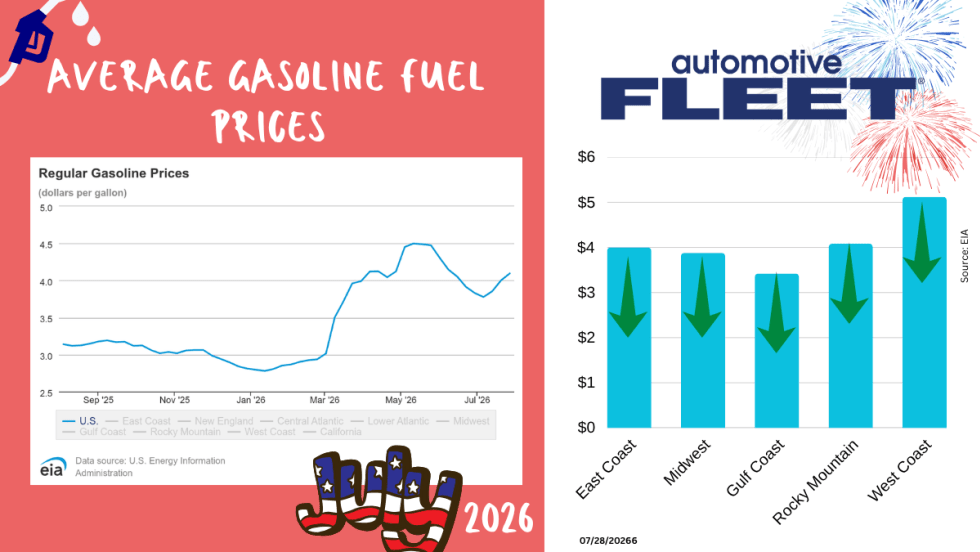
July Fuel Update: Prices Keep Rising in Light of More Conflict
Gas prices continue to rise as more and more conflicts do, too.
Read More →
Bob Adamsky on Fuel Volatility: "Don't Panic, Have a Plan."
When it comes to up and down fuel prices, Adamsky has a message for fleets: “Don’t panic.”
Read More →
How Fleets Can Gain Control of Non-Fuel Spend
Fuel often gets the spotlight, but non-fuel expenses can have a major impact on fleet costs. Ramel Lindsay of U.S. Bank Voyager discusses how fleets can gain better visibility and control over these often-overlooked expenditures.
Read More →
Fuel is Just the Start: How Middle East Tensions are Driving Up Fleet Maintenance Costs
The Middle East conflict is doing more than pushing up fuel prices. It’s also raising the cost of key maintenance products your fleet depends on, from motor oil to tires to windshield wipers. Here’s what you need to know about this budget-busting situation.
Read More →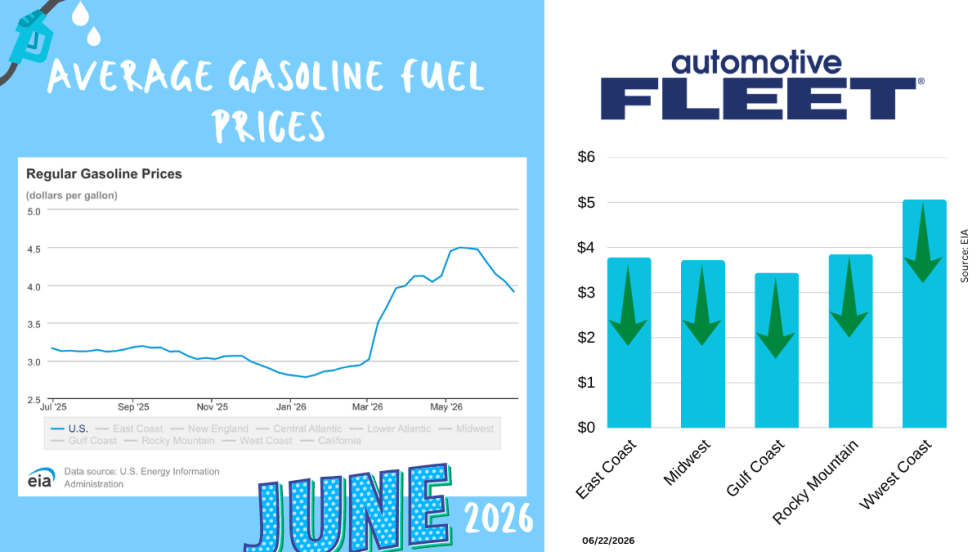
June Fuel Update: Prices Fall Below $4
Drivers are finally getting some relief at the pump. The national average gas price has dropped below $4 a gallon for the first time in months, with prices falling in 47 states as oil markets react to developments in U.S.-Iran negotiations.
Read More →
Study: How 2026's Gas Price Hikes Affect Different Vehicle Types
New data from iSeeCars reveals how rising fuel costs have affected different vehicle segments as gasoline prices climbed nearly 46% over the past four months.
Read More →
Are You Tracking Your Fleet's True Total Cost of Ownership?
Bobit Business Media surveyed 190 fleet professionals and found that while most fleets are tracking costs, fragmented systems and data gaps are keeping true TCO visibility out of reach. With rising pressure to control spend in an increasingly volatile environment, the gap between what fleets think they know and what the data actually shows is wider than you might expect. See how your peers are managing costs today and where the industry still has room to improve.
Read More →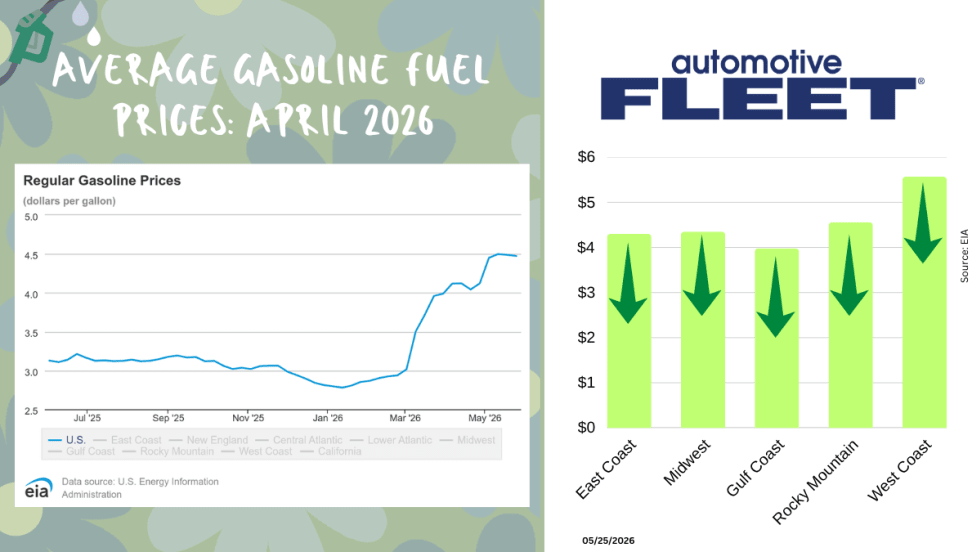
May Fuel Update: All Regions Experience Declines
Gas prices are finally easing in much of the country, but experts warn global tensions could quickly reverse the trend as the national average remains well above last month’s levels.
Read More →