




Ride-Hailing Apps Create 69% More Emissions than Trips They Replace
Even when compared to trips made in private vehicles, non-pooled ride-hailing trips on average produce almost 50%more emissions, a UCS found.


With ride-hailing services now providing more trips nationally than taxis, the growth of ride-hailing has directly contributed to increased local pollution and exacerbated traffic congestion in dense urban areas.
Photo via Uber.
Ride-hailing companies like Uber and Lyft have experienced exponential growth in a short period of time. The expansion of these services is changing transportation, but that rapid growth also comes with significant risks.
A new report, “Ride-Hailing’s Climate Risks: Steering a Growing Industry Toward a Clean Transportation Future,” by the Union of Concerned Scientists (UCS), finds that the rising use of ride-hailing services is increasing carbon emissions, with ride-hailing trips producing nearly 70% greater emissions compared to the trips they are replacing. This dramatic increase in emissions comes in part from “deadheading,” the increased miles a driver travels waiting for a ride request or picking up a passenger. In addition, ride-hailing trips frequently replace lower-carbon transportation methods — such as public transit, walking, or biking — that consumers might have used otherwise.
Even when compared to trips made in private vehicles, non-pooled ride-hailing trips on average produce almost 50%more emissions, UCS found. With ride-hailing services now providing more trips nationally than taxis, the growth of ride-hailing has directly contributed to increased local pollution and exacerbated traffic congestion in dense urban areas.
“Despite these troubling findings about their climate impacts, ride-hailing services still have the potential to be part of a cleaner, low-carbon transportation future,” said Don Anair, deputy director of the UCS Clean Transportation Program and lead author of the report. “Through electrification of vehicles and increased use of pooled rides, we can reduce the climate risks of ride-hailing services.”
The UCS report found that a pooled ride-hailing trip results in emissions similar to a private vehicle trip. An electric ride-hailing trip can cut emissions by about 50% compared to the average private car trip, while an electric and pooled ride-hailing trip can reduce emissions by about 70% compared to the average private car trip.
“The responsibility for change lies first and foremost with the ride-hailing companies themselves,” said Jeremy Martin, senior scientist and director of fuel policy at UCS. “Ride-hailing companies should take steps to reduce emissions by supporting their drivers in adopting electric vehicles, increasing pooling of rides, and encouraging travel by cleaner modes such as transit, walking, and biking where feasible. Ride-hailing companies should work to make sure their services complement, rather than replace, these lower-carbon options.”
UCS experts recommend that companies encourage the use of electric cars by offering attractive electric vehicle-lease rates to drivers who lease vehicles for use on their platforms. They also suggest companies work with charging infrastructure providers to increase access to convenient charging for ride-hailing drivers.
They can also encourage shared ridership by discounting pooled trips to make them more affordable.
Lyft and Uber have taken some steps to begin to address the climate impacts of their services. For example, last fall Lyft announced a program in Denver to deploy 200 electric vehicles in ride-hailing service.
Uber announced per-ride driver incentives of up to $20 per week in some cities through their electrification initiative.
Both companies are partnering with transit agencies in various ways, including pilot projects to help people get to or from transit as well as beginning to incorporate transit information into their apps.
Lyft has also unveiled a carbon-offset initiative, though programs like this are not a substitute for reducing emissions and congestion.
“The rapid growth of ride-hailing services has cities scrambling to keep up, and much work remains to implement effective policies addressing pollution and congestion,” said Martin. “Policymakers need to ensure that ride-hailing companies take steps to reduce their environmental impact, and ensure that people have a range of clean, safe, accessible, and affordable transportation options. Some policies cities and states should consider include discounting fees on ride-hailing for pooled and electric rides, incentive programs for electric vehicles and charging infrastructure, setting pollution standards for companies, and increased investment in public transit.”
The report suggests that while ride-hailing companies and policymakers bear the biggest responsibility in limiting ride-hailing’s negative impacts, individuals can help in the following ways:
Traveling by transit, walking, or biking when and where possible.
When using ride-hailing, choosing a pooled or shared ride where available, or using ride-hailing to connect to mass transit.
Selecting an electric ride—although it is only available in a few markets.
“Ride-hailing services are continuing to grow — so companies like Lyft and Uber, policymakers, and consumers all need to make smart choices now to steer ride-hailing in a cleaner direction,” said Anair. “Ride-hailing can be part of a low-carbon transportation system. But it can’t happen without meaningful action from these companies and from policymakers.”
This stoy was originally posted on Metro Magazine.
Originally posted on Auto Rental News
More Fleet Forward

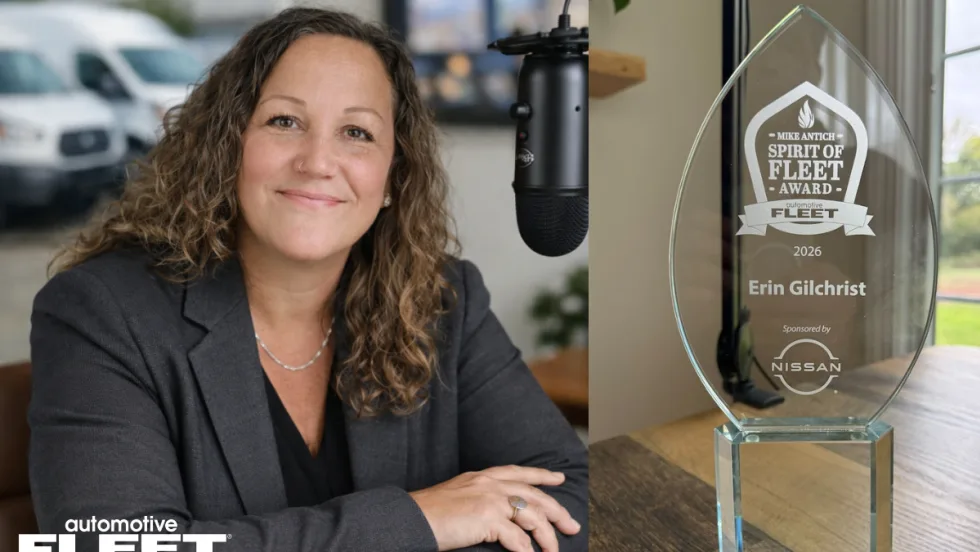
Erin Gilchrist Receives Mike Antich Spirit of Fleet Award
Last week at AFLA in Vegas, Erin Gilchrist received the inaugural, brand-new Spirit of Fleet Award.
Read More →
Dominika Leja Named the 2026 Fleet Manager of the Year
The AstraZeneca associate director of fleet was recognized for her leadership in fleet electrification, cost savings, and operational transformation.
Read More →
Jamie McKay Named the 2026 Fleet Visionary Award Winner
The Aptive Pest Control fleet manager was recognized for her approach to operations, data, lifecycle management, and driver needs.
Read More →
Fleet Forward Conference Introduces One-Day Passes for 2026
New one-day registration gives fleet professionals the flexibility to attend Tuesday, Wednesday, or Thursday, with passes available for $199 through Sept. 18.
Read More →
Vibe Coding: When Fleet Managers Become Software Builders
Five fleet professionals — none with programming skills — discuss how they’re using AI to build fleet solutions in-house and in a fraction of the time.
Read More →
Fleet Forward Conference Tackles Fleet Industry’s Growing Leadership Gap
This session will examine succession planning, knowledge transfer, and the skills the next generation of fleet leaders will need as veteran professionals leave the industry.
Read More →
2026 Fleet Manager of the Year Finalists Announced
Who are the 2026 Fleet Manager of the Year finalists?
Read More →
John Rossant to Deliver Opening Keynote at 2026 Fleet Forward Conference
The CoMotion founder will draw on developments across Europe, China, the Middle East, and other international markets to identify trends that could influence how U.S. fleets plan for the coming decade.
Read More →
How to Build Custom Fleet Tools With AI and Vibe Coding [Webinar]
A new Automotive Fleet webinar explores how fleet managers are using AI and vibe coding to automate routine work and create simple operational tools without traditional programming skills.
Read More →