




Report: Urea Suppliers Can Support Selective Catalytic Reduction in Diesel Vehicles by ‘09
CHICAGO --- The Engine Manufacturers Association (EMA) has released a study concluding that suppliers of urea, used in pollution-control equipment to reduce emissions of nitrogen oxides, can develop a retail infrastructure to support the use of the pollution-control technology in diesel trucks, buses and cars.
CHICAGO --- The Engine Manufacturers Association (EMA) has released a study concluding that suppliers of urea, used in pollution-control equipment to reduce emissions of nitrogen oxides, can develop a retail infrastructure to support the use of the pollution-control technology in diesel trucks, buses and cars. The technology, know as Selective Catalytic Reduction (SCR), is used widely today in stationary power plants, and is being considered by engine and vehicle manufacturers as a potential solution to meet new stringent nitrogen oxide emission standards for diesel-powered vehicles. The EMA commissioned study, "SCR-Urea Implementation Strategies Update," was prepared by TIAX LLC's office in Cupertino, Calif., and updated a 2003 study on the same topic. TIAX examined the changes in market conditions and extended the scope of the study to include light-duty vehicles. Several vehicle and engine manufacturers consider SCR to be the best available solution to meet EPA NOx emission standards in the 2009 to 2010 timeframe. Use of an SCR system would require that vehicle owners have ready access to urea when needed to replenish the on-board urea supply. "SCR is one option seriously being considered by engine and vehicle manufacturers to reduce nitrogen oxide emissions from diesel engines," said Jed Mandel, EMA president. "Manufacturers and regulators need to be assured that there can be a viable retail source of urea accessible across the United States, should they decide to use SCR. The TIAX report examines the supply, market conditions, and options regarding urea distribution, and concludes that the necessary infrastructure to supply urea can be in place by the time that vehicle owners would need it." The final report indicates that urea production and supplies are adequate to handle the added volumes needed to supply the diesel mobile source demand. Urea distribution systems can be developed that parallel other automotive and truck fluid marketing models such as motor oils and fuel additives. The expected retail system includes small, over-the-counter containers for the automotive market and bulk supplies for heavy-duty trucks. The report concludes that there is sufficient lead time to develop a retail infrastructure to meet expected demand. "The updated report supports the conclusion that a viable and robust urea supply infrastructure can be developed to serve the expected diesel vehicle market in a relatively short timeframe," continued Mandel. "The study provides some key information needed by manufactures and regulators in order to proceed along the decision pathway, and clearly reduces concerns that a viable urea supply could not be developed in time for use of SCR in this country." A copy of the report is available on the EMA website at www.enginemanufacturers.org.
More Fuel

Turning Fleet Payment Data into Executive Insights
Ramel Lindsay of U.S. Bank Voyager discusses how fleets can transform payment and transaction data into actionable intelligence to reduce costs, improve oversight, and support executive decision-making.
Read More →
Why the IRS Raised Its Mileage Rate in the Middle of 2026
Fuel-price volatility drove the rare increase to 76 cents per mile, the fifth midyear adjustment since 2000.
Read More →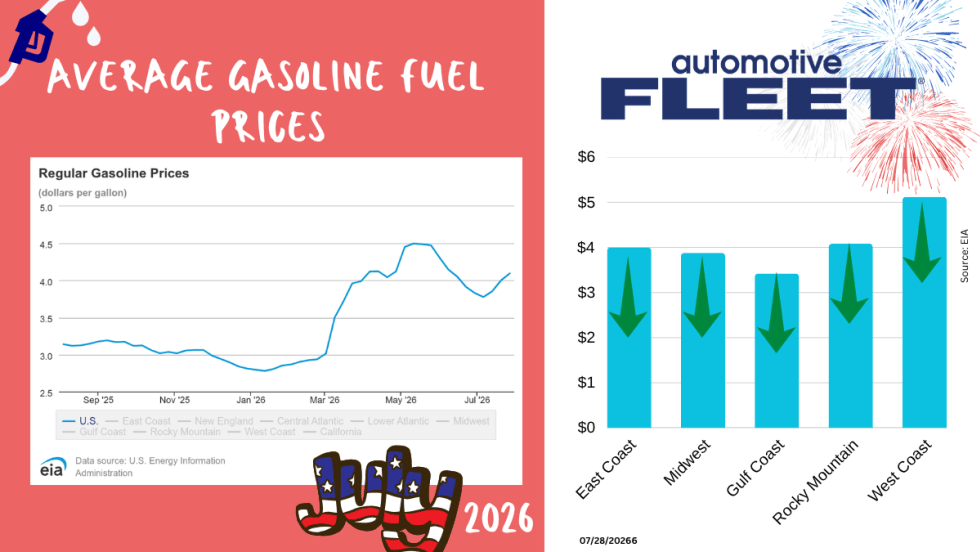
July Fuel Update: Prices Keep Rising in Light of More Conflict
Gas prices continue to rise as more and more conflicts do, too.
Read More →
Bob Adamsky on Fuel Volatility: "Don't Panic, Have a Plan."
When it comes to up and down fuel prices, Adamsky has a message for fleets: “Don’t panic.”
Read More →
How Fleets Can Gain Control of Non-Fuel Spend
Fuel often gets the spotlight, but non-fuel expenses can have a major impact on fleet costs. Ramel Lindsay of U.S. Bank Voyager discusses how fleets can gain better visibility and control over these often-overlooked expenditures.
Read More →
Fuel is Just the Start: How Middle East Tensions are Driving Up Fleet Maintenance Costs
The Middle East conflict is doing more than pushing up fuel prices. It’s also raising the cost of key maintenance products your fleet depends on, from motor oil to tires to windshield wipers. Here’s what you need to know about this budget-busting situation.
Read More →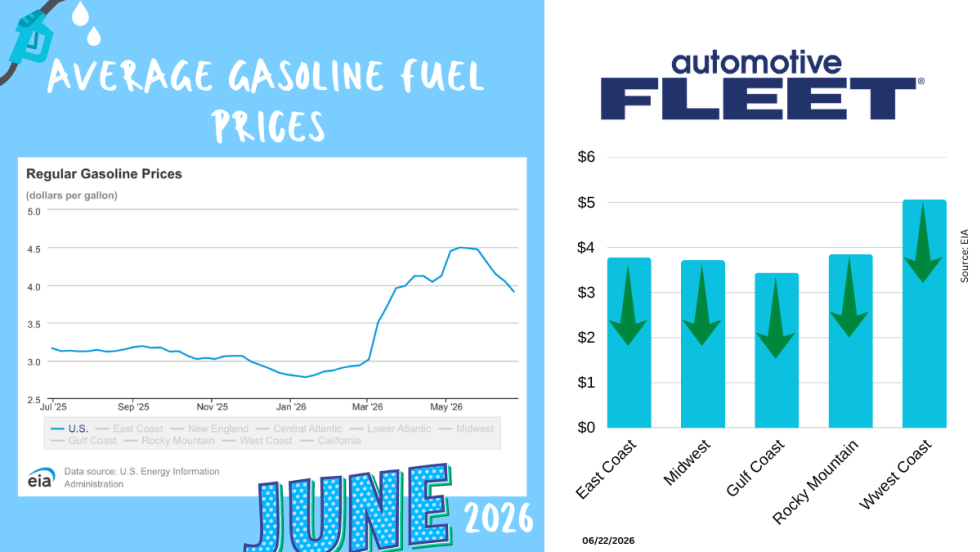
June Fuel Update: Prices Fall Below $4
Drivers are finally getting some relief at the pump. The national average gas price has dropped below $4 a gallon for the first time in months, with prices falling in 47 states as oil markets react to developments in U.S.-Iran negotiations.
Read More →
Study: How 2026's Gas Price Hikes Affect Different Vehicle Types
New data from iSeeCars reveals how rising fuel costs have affected different vehicle segments as gasoline prices climbed nearly 46% over the past four months.
Read More →
Are You Tracking Your Fleet's True Total Cost of Ownership?
Bobit Business Media surveyed 190 fleet professionals and found that while most fleets are tracking costs, fragmented systems and data gaps are keeping true TCO visibility out of reach. With rising pressure to control spend in an increasingly volatile environment, the gap between what fleets think they know and what the data actually shows is wider than you might expect. See how your peers are managing costs today and where the industry still has room to improve.
Read More →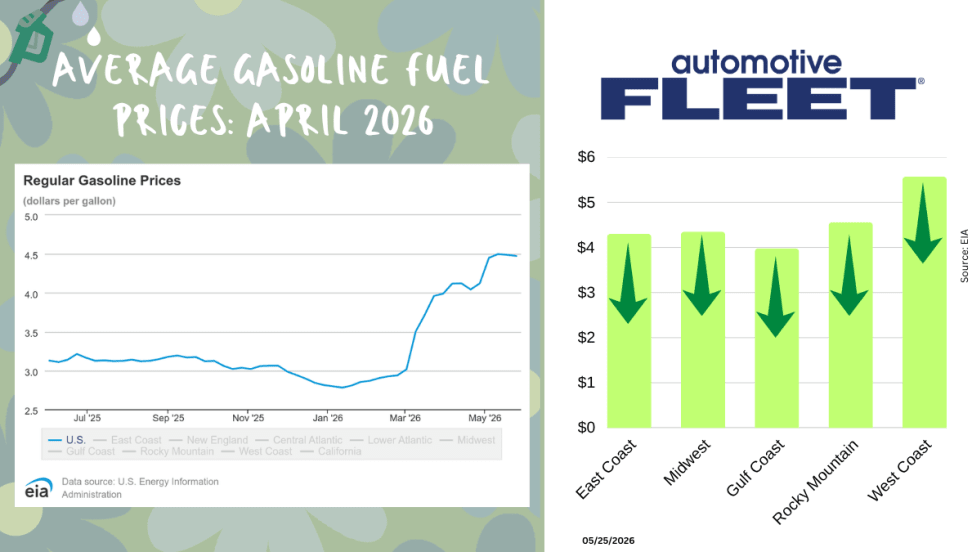
May Fuel Update: All Regions Experience Declines
Gas prices are finally easing in much of the country, but experts warn global tensions could quickly reverse the trend as the national average remains well above last month’s levels.
Read More →