




Ram Trucks, Dodge Journey Recalled for Rear Visibility
FCA is recalling its 2018 Ram 1500, 2500, 3500 and Dodge Journey because the rear-view camera may experience a loss of image display.

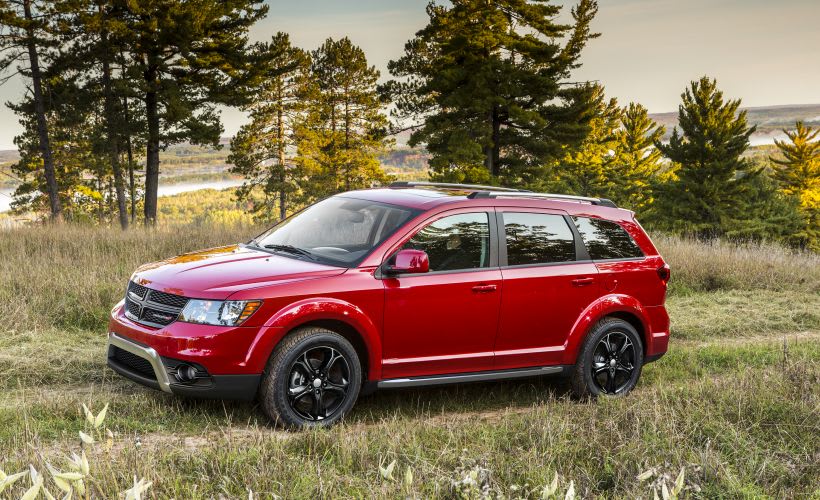
FCA has recalled the 2018 Dodge Journey for a possible rear visibility defect.
Photo courtesy of FCA.
Fiat Chrysler Automobiles is recalling approximately 1,837 2018 Dodge Journey midsize SUV and Ram 1500, 2500 and 3500 pickup trucks because the rear-view camera may experience a loss of image display when the driver is backing up. Inability to see objects behind the vehicle while backing up can increase the risk of a collision.
To fix the problem, FCA will notify owners, and dealers will replace the rear-view mirror, at no cost to owners. FCA's number for this recall is U56.
In addition, FCA is recalling an estimated 1,741 2018 Dodge Journey three-row SUVs because when the reverse gear is selected, the rear camera view may experience a delay, rendering the rear view invisible for more than two seconds. If the full camera view is delayed and the motorist fails to check the surroundings before backing up, the possibility of a crash is more likely.
To remedy the matter, FCA will notify owners, and dealers will replace the rearview mirror, at no cost to owners. FCA's number for this recall is U58.
Both recalls begin Aug. 3. Owners can reach FCA customer service at (800) 853-1403.
Related: FCA Recalls 4.8M Vehicles for Cruise Control
More Safety
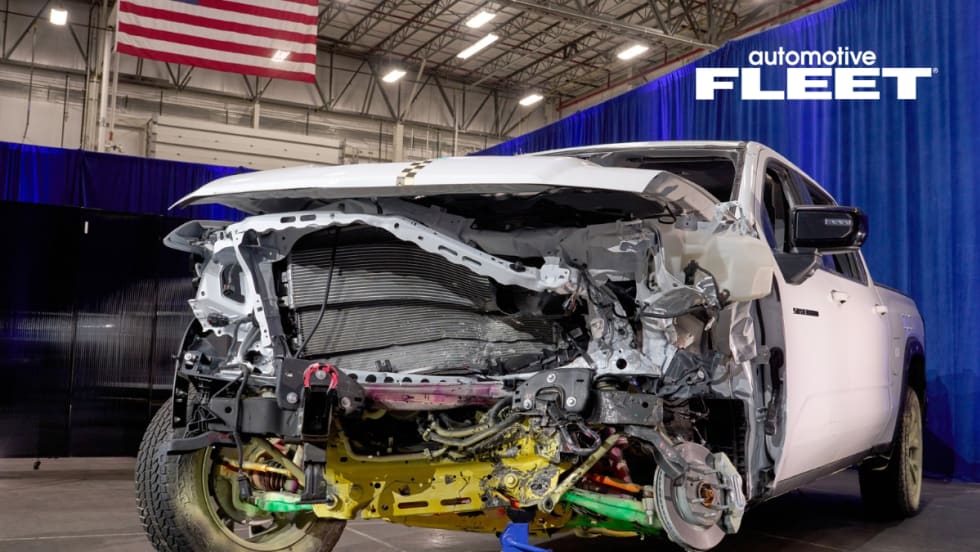
GM Conducts 92,000 Virtual Crash Tests for 2027 Chevrolet Silverado 1500
General Motors used computer simulations to evaluate crash scenarios, occupant protection and vehicle design variations before conducting physical crash tests.
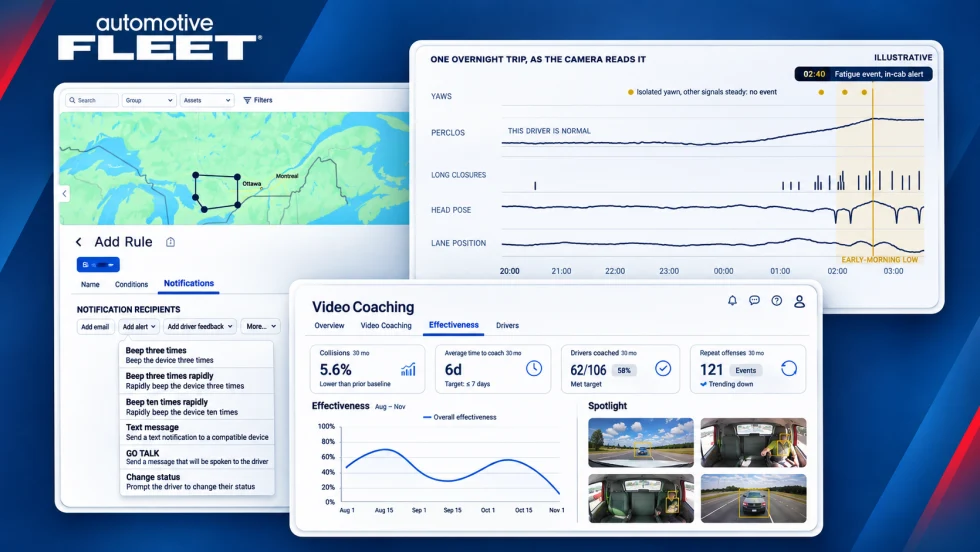
Geotab Adds AI-Powered Driver Coaching and Fatigue Detection Features
New capabilities include fatigue monitoring, two-way audio, coaching effectiveness analytics and location-based privacy controls for fleet safety management.
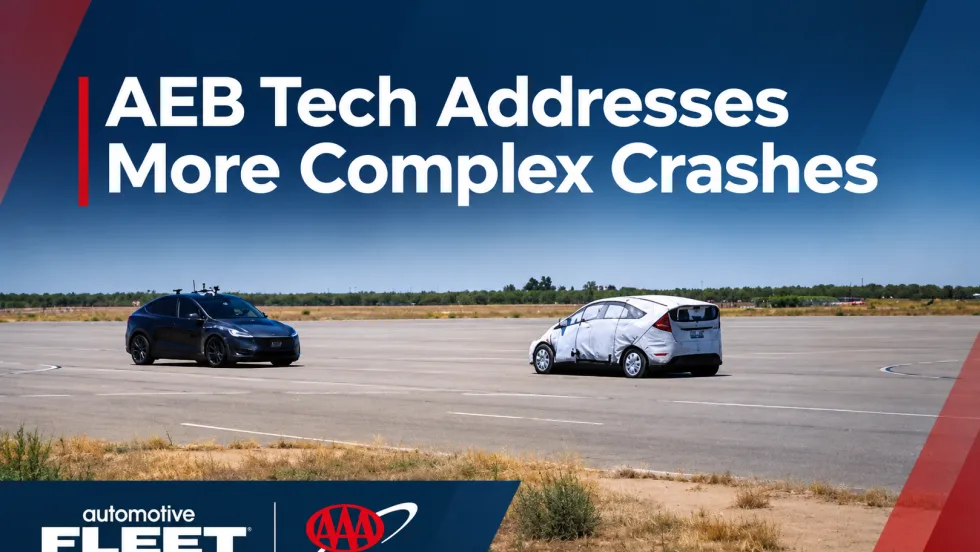
AAA Testing Finds Gaps in Intersection AEB Crash Prevention
Testing of four 2026 model-year vehicles found that automatic emergency braking prevented collisions in standardized intersection scenarios, but three vehicles failed to avoid crashes when another vehicle turned into their path.
Which Fleet Types Have the Highest Severe Speeding Rates?
New research from SambaSafety finds significant differences in speeding rates across fleet industries, even as nearly 90% of surveyed fleets report using telematics.
When a Cyberattack Hits Your Fleet: What Happens Next?
“You have two opportunities to test your plans: when you choose or when the threat actor chooses.” A cybersecurity expert reveals what fleet managers need to know before a cyberattack puts their operations at risk — and why the decisions made in the first moments can shape the entire recovery.
Tips for Driving Safely on Halloween Night
This video features a reminder from the Connecticut Department of Transportation (DOT) and the Connecticut Police Chiefs Association, urging drivers to prioritize safety this Halloween.
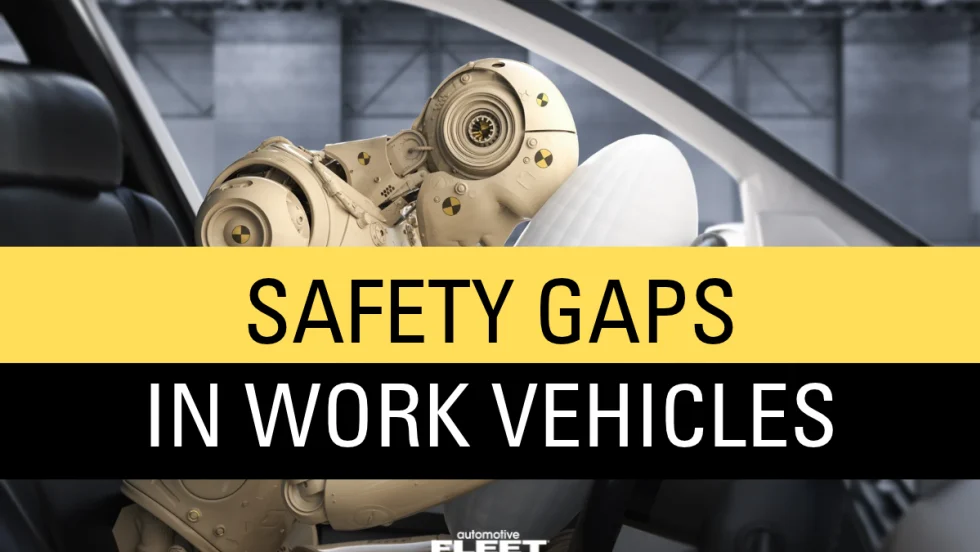
IIHS Crash Avoidance Tests Reveal Safety Gaps in Cargo Vans and Work Trucks
New IIHS crash avoidance ratings show uneven performance among cargo vans and heavy-duty pickups, with most struggling to avoid vehicle-to-vehicle collisions.
What’s Next for Fleet? Safety, AI & Industry Recognition | AF News Recap
Could your company's culture be encouraging distracted driving? This week, we're exploring how workplace expectations affect driver safety, what AI, EVs, and autonomous vehicles could mean for the future of fleet management, and how fleet professionals can strengthen their award nominations.
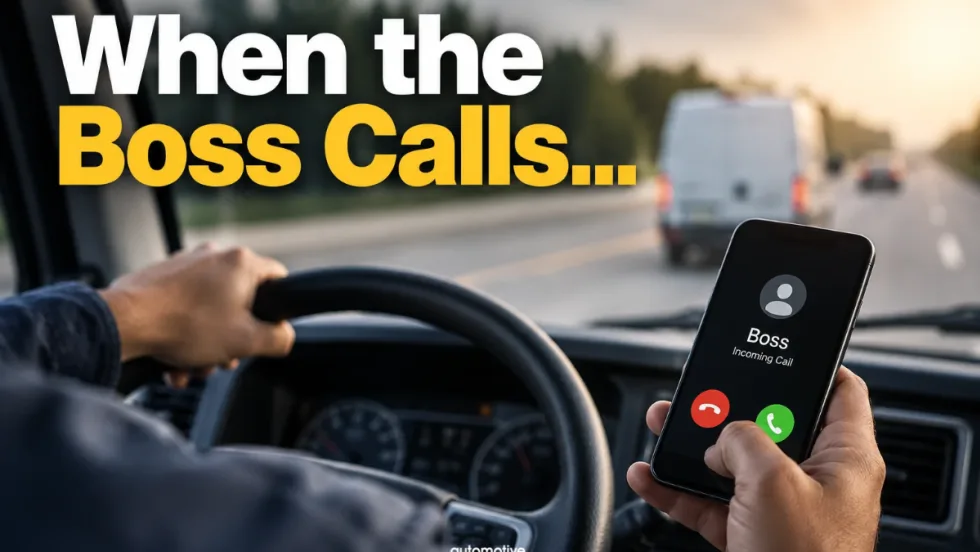
Does Your Fleet's Culture Encourage Distracted Driving?
What happens when the people responsible for enforcing safety rules are the ones setting the wrong example? The answer may reveal why some of the biggest risks to fleet drivers have little to do with what's written in the employee handbook.
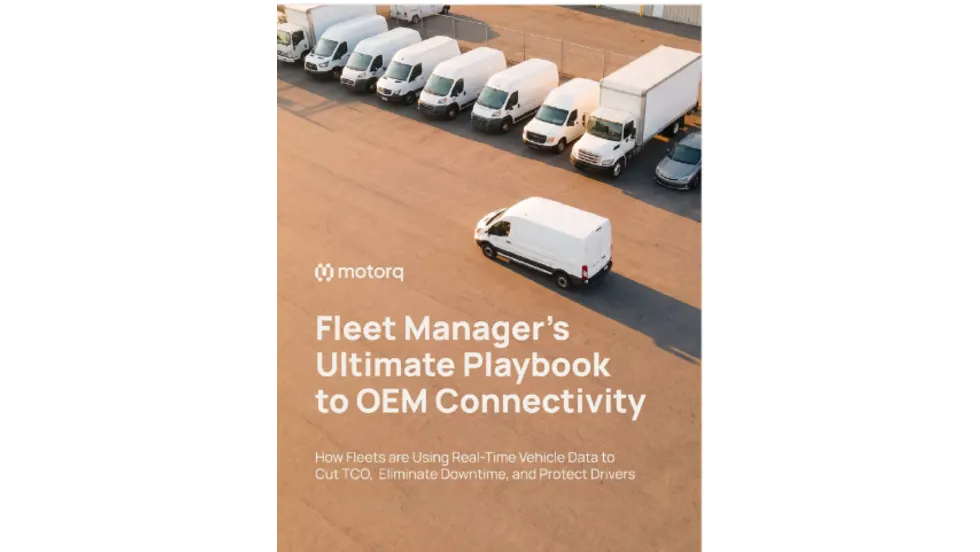
Fleet Manager’s Ultimate Playbook: Navigating the New Standard in OEM Connectivity
Rising operating costs, driver safety concerns, and unplanned downtime are putting unprecedented pressure on modern fleets. Discover how fleet managers use embedded OEM connectivity and real-time vehicle data to cut TCO, prevent downtime, and protect drivers without aftermarket telematics hardware.