




Projects Aim to Facilitate More EVs in Europe
The European Commission is launching three new research projects aimed at making electromobility cheaper, more efficient and more reliable in order to facilitate more environmentally-friendly vehicles on Europe’s roads.

Logo: Infineon Technologies

Logo: Infineon Technologies
The European Commission is launching three new research projects aimed at making electromobility cheaper, more efficient and more reliable in order to facilitate more environmentally-friendly vehicles on Europe’s roads. Europe will be the site for the continued development and production of electric vehicles under these projects, which will run until 2018 and are headed by Infineon Technologies AG. In total, 70 partners comprised of 120 researchers from 15 countries, and representatives of ECSEL Joint Undertaking, the European Union, the European Commission, and the German Federal Ministry of Education and Research will participate.
As a result of the three research projects 3Ccar, OSEM-EV, and SilverStream, electrical systems used in electric vehicles will benefit from being approximately one-fifth more compact and lighter, their range improved, and their cost lowered by about 25 percent. The three projects will collaborate to research and develop environmentally-friendly, safe and robust electric vehicles. The entire automotive value chain is contributing to this effort, from chip producers to car manufacturers, according to the organizers.
In electric vehicles, on average about 50 percent more electronic components and semiconductors are installed compared to vehicles featuring combustion engines. They are, therefore, more complex. Furthermore, the operating time of the electronic components in electric vehicles is also higher. The 3Ccar project (Integrated Components for Complexity Control) aims to further strengthen the reliability of automotive systems, despite the increasing vehicle complexity. In total 48 partners from 14 countries are participating in the 3Ccar Project. The research budget is set at Euro 54 million, according to organizers.
Through the OSEM-EV (Optimised and Systematic Energy Management in Electric Vehicles), the range of electric vehicles will increase. The activities of the 12 partners are centered on the research of an intelligent thermal management, which includes the cooling system for the electric drive, the battery life and an efficient energy recuperation. The research budget is set at Euro 8 million, according to the organizers.
Ten partners from five countries are working on the SilverStream project, the aim of which is the development of an inexpensive electric compact car. The research budget is set at Euro 4.5 million, according to the organizers.
More Global Fleet
Holman Takes Full Ownership of ARIZA in Mexico
Holman is bringing its Mexican fleet management operation fully under its own brand after more than 30 years as a joint venture. The change gives multinational fleet customers a single Holman operation across the U.S., Canada, and Mexico.
Read More →
Proven Ways to Reduce Work Truck Downtime
The age-old problem of downtime will always be a reality, but with new strategies at hand, fleets have more ways to keep trucks on the road longer.
Read More →
The Top 300 Commercial Fleets
The Top 300 Commercial Fleets: See the List
Read More →

Cameras, Safety and Insurance: From Reactive Claims to Real-Time Prevention (Part 2 of 2)
Part Two: Commercial auto remains one of the most challenging and costly lines of coverage for fleet operators and insurers alike. Continue learning more about how to effectively address these issues from Onur Aksan, Enterprise Business Development Executive, Geotab
Read More →
Cameras, Safety and Insurance: From Reactive Claims to Real-time Prevention
Commercial auto remains one of the most challenging and costly lines of coverage for fleet operators and insurers alike. Learn more about how to effectively address these issues from Onur Aksan, Enterprise Business Development Executive, Geotab.
Read More →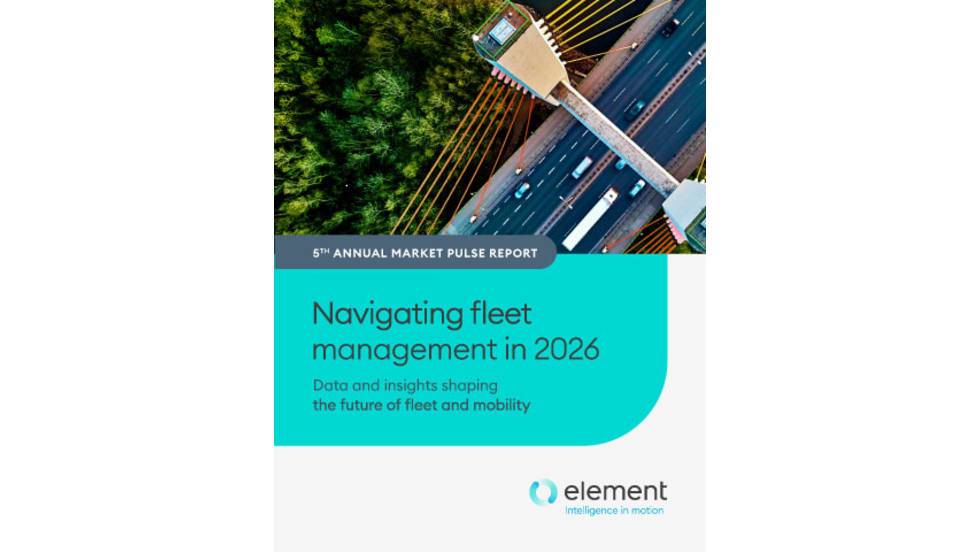
Fleet Costs Are Rising: Here’s How Leaders Are Responding
Fleet leaders are under pressure to reduce costs, adapt to economic uncertainty, and make smarter decisions. See how peers across North America are responding with real data, proven strategies, and forward-looking insights. Download the 2026 Market Pulse Report to benchmark your strategy and uncover where you can gain an edge.
Read More →
Enterprise Fleet Management Surpasses 900,000 Vehicles in U.S. & Canada
Enterprise Mobility connects with mobility solutions around the globe
Read More →
Automotive Fleet's Guide to Fleet Electrification
Unlock the secrets to a successful transition to electric fleets with Automotive Fleet's comprehensive Fleet Electrification Guide!
Read More →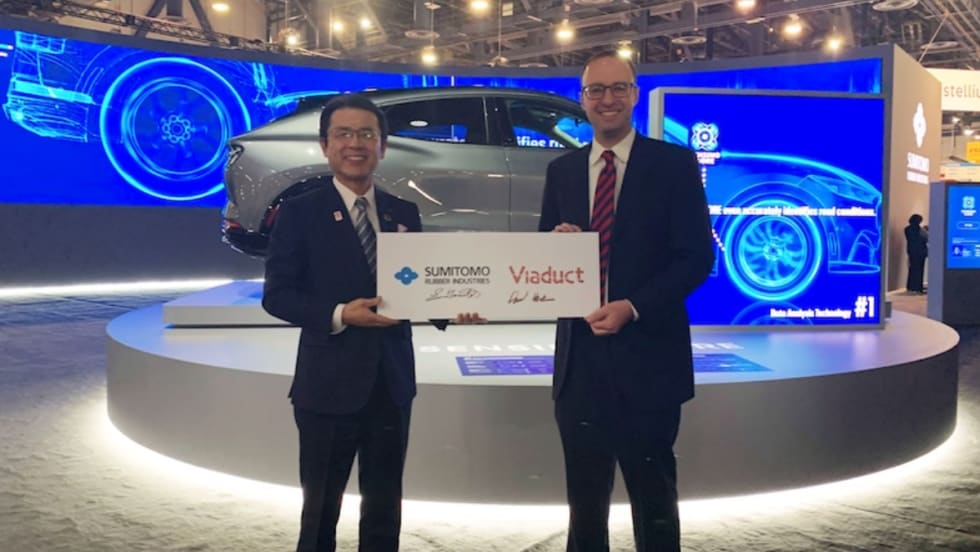
Sumitomo Rubber Industries to Acquire Viaduct
Viaduct will join Sumitomo as an independent subsidiary. Partnership strengthens global reach and accelerates AI-driven innovation for fleets and manufacturing.
Read More →