




Prices at the Pump Influencing Vehicle Buying Decisions
IRVINE, Calif. --- According to the latest Kelley Blue Book Marketing Research study, in-market new-vehicle shoppers plan to adjust their shopping habits because of high gas prices, spending less money on themselves so they can still give to others during this holiday season.
IRVINE, Calif. --- According to the latest Kelley Blue Book Marketing Research study, in-market new-vehicle shoppers plan to adjust their shopping habits because of high gas prices, spending less money on themselves so they can still give to others during this holiday season.
The December 2007 results reveal that 44 percent of in-market new-vehicle shoppers are looking at cars they normally would not have considered because of the pain at the pump. An example of this is a notable shift in vehicle segment consideration from just two months ago, with greater interest in less expensive and more fuel-efficient transportation including crossovers, sedans and hatchbacks, and declines in SUV interest.
With a gallon of unleaded gasoline hovering at more than $3 in most parts of the country, 67 percent of those in the market for a new vehicle indicate they will not spend less on holiday gifts this year due to the rising cost of gas. However, more than 40 percent of consumers do say they are eating out less often, and nearly 50 percent of consumers say they are doing less shopping of non-essential retail items such as clothes and shoes. According to new-car shoppers, the largest shift in personal spending includes delaying the purchase of a new home, which more than doubled from October to December.
"While gas prices are clearly influencing the way consumers plan to spend money on themselves, such as going out to eat and delaying the purchase of a new home, it appears most people will not let the price of gas affect their holiday spirit and giving to others," said Jack R. Nerad, executive editorial director and executive market analyst for Kelley Blue Book. "Based on our monthly study, shoppers are willing to sacrifice in order to still give to others, and it even extends to their next new-vehicle purchase. We are seeing more and more new-vehicle shoppers looking at smaller and more fuel-efficient cars than in the past."
When asked how gas prices have affected which vehicles they are considering, more than half of consumers said they would seriously consider a vehicle with higher fuel efficiency if gas prices were to increase as little as 50 cents per gallon. Among those looking to buy a new hybrid vehicle, shoppers said they are most interested in the Toyota Camry hybrid and the Honda Civic hybrid.
"Determining how gas prices affect consumer shopping provides tremendous insight into shifts in the economy, and tracking their opinions of alternative fuel solutions sheds light on the possible adoption and acceptance rates of alternate fuel systems in the future," said Rick Wainschel, vice president of marketing research and brand communications for Kelley Blue Book. "Timely, in-market vehicle shopper feedback can provide invaluable information to automotive manufacturers and marketers, allowing them to tailor their messages and strategies more toward what car shoppers actually think and how they plan to spend their money."
The latest Kelley Blue Book marketing research study was conducted on Kelley Blue Book's kbb.com among in-market new-vehicle shoppers during the first week of December 2007.
More Fuel
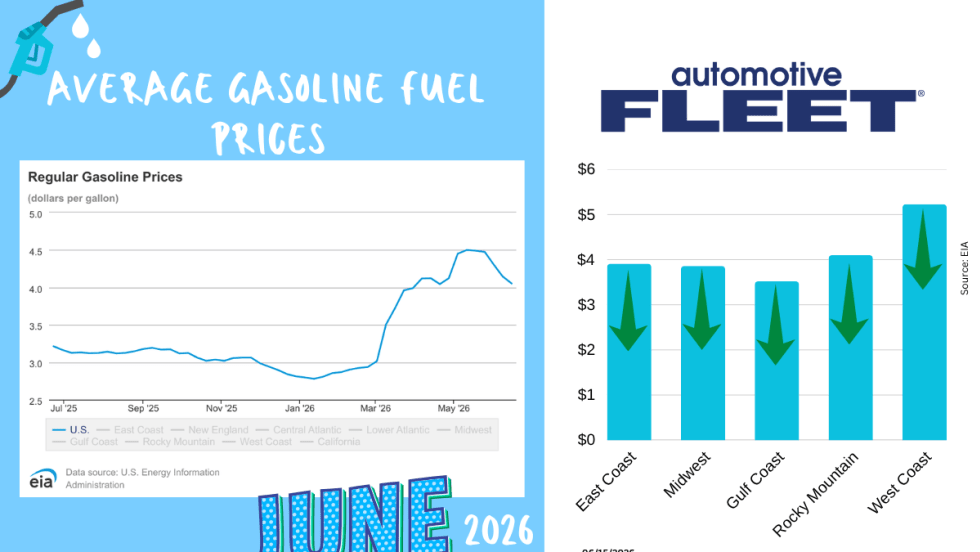
June Fuel Update: Prices Fall Below $4
Drivers are finally getting some relief at the pump. The national average gas price has dropped below $4 a gallon for the first time in months, with prices falling in 47 states as oil markets react to developments in U.S.-Iran negotiations.
Read More →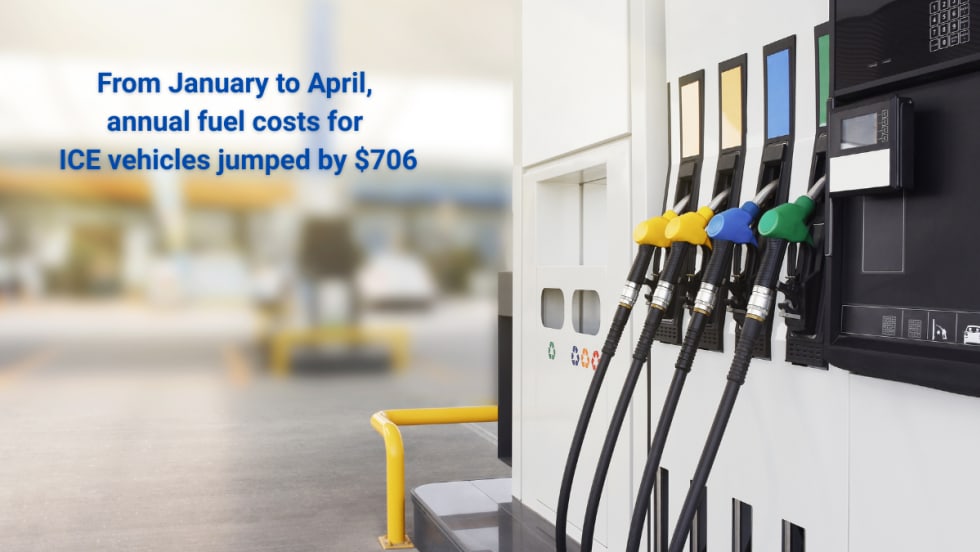
Study: How 2026's Gas Price Hikes Affect Different Vehicle Types
New data from iSeeCars reveals how rising fuel costs have affected different vehicle segments as gasoline prices climbed nearly 46% over the past four months.
Read More →
Are You Tracking Your Fleet's True Total Cost of Ownership?
Bobit Business Media surveyed 190 fleet professionals and found that while most fleets are tracking costs, fragmented systems and data gaps are keeping true TCO visibility out of reach. With rising pressure to control spend in an increasingly volatile environment, the gap between what fleets think they know and what the data actually shows is wider than you might expect. See how your peers are managing costs today and where the industry still has room to improve.
Read More →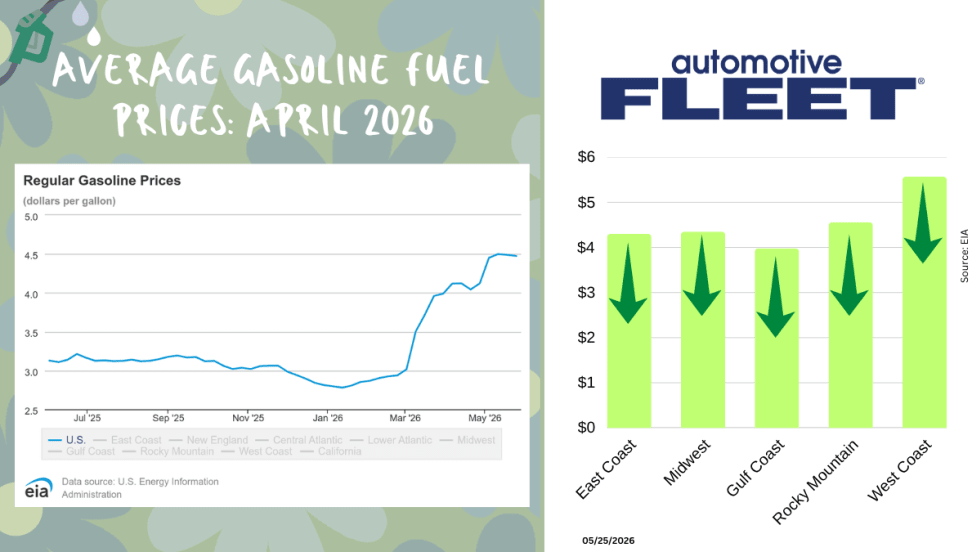
May Fuel Update: All Regions Experience Declines
Gas prices are finally easing in much of the country, but experts warn global tensions could quickly reverse the trend as the national average remains well above last month’s levels.
Read More →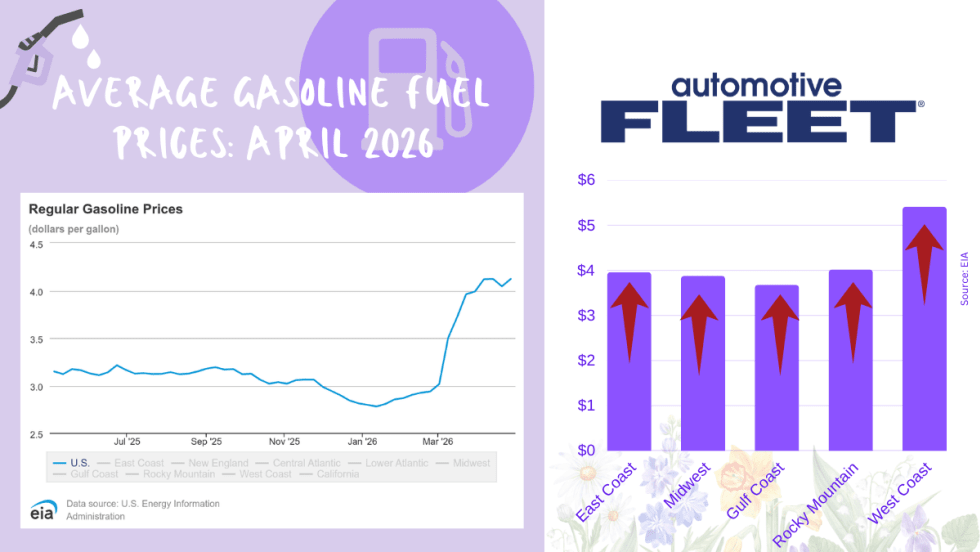
April Fuel Update: Prices Climb Above $4 as Spring Surge Accelerates
National average jumps to $4.04 per gallon, up sharply from last year, with West Coast prices topping $5 and further increases expected amid rising oil tensions.
Read More →
Tips from Fleet Managers on Saving Fuel Costs
Fleet leaders share practical strategies to reduce fuel spend through smarter policy, routing, and driver guidance.
Read More →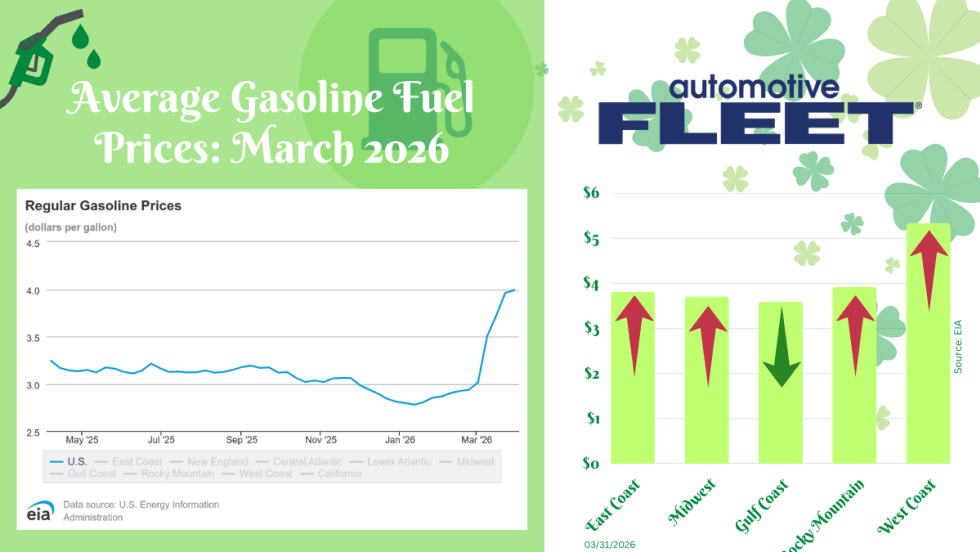
March Fuel Update: Prices Settle With a $4 Average
Fuel prices significantly slowed this week, but a $4 national average is still expected.
Read More →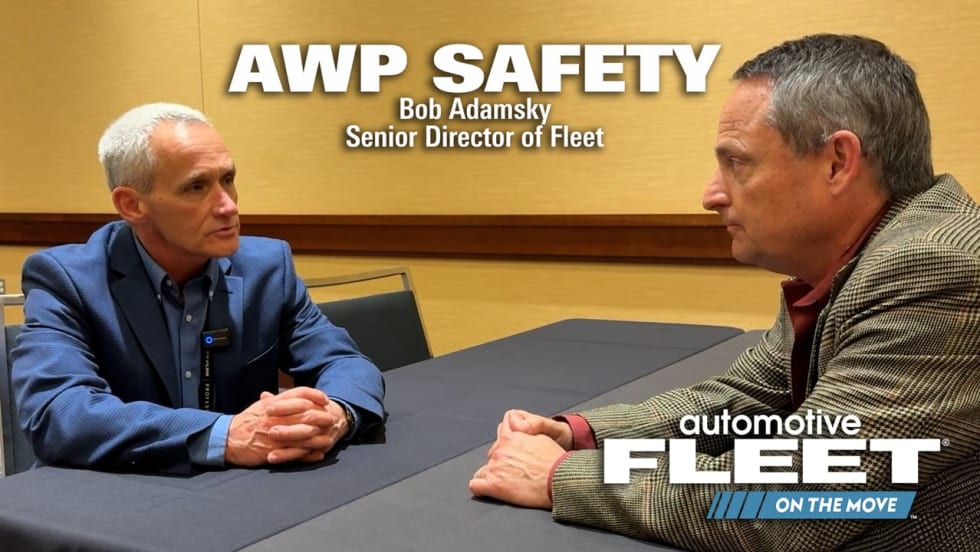
Bob Adamsky on Fuel Volatility: “Don’t Panic — Have a Plan”
With oil prices rising again, AWP Safety’s fleet manager shares how to respond to rising fuel costs and how the right strategy can turn fuel spikes into cost-saving opportunities.
Read More →
Oil Market Turbulence Is Complicating Fleet Cost Planning
Rapid swings in crude oil prices driven by the conflict in the Middle East could create longer-term cost pressures for fleets, affecting fuel prices, supply chains, and vehicle strategy, says NTEA’s Andrew Wrobel.
Read More →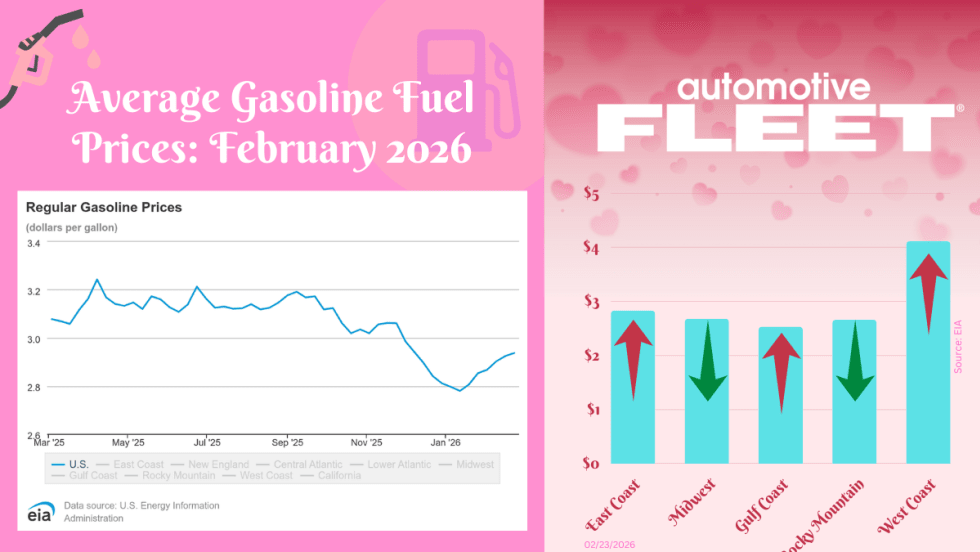
February Fuel Update: Prices Inch Higher for Third Week in a Row
The final February fuel update reveals prices continuing to inch higher for the third week in a row.
Read More →