




President Bush Orders Federal Agencies to Find Ways to Regulate Vehicle Emissions
WASHINGTON, D.C. --- President George W. Bush today responded to a recent Supreme Court ruling by ordering federal agencies to begin looking for ways to regulate vehicle emissions before he leaves office.
WASHINGTON, D.C. --- President George W. Bush today responded to a recent Supreme Court ruling by ordering federal agencies to begin looking for ways to regulate vehicle emissions before he leaves office. In a brief announcement made in the Rose Garden, Bush said the new rules would "cut gasoline consumption and greenhouse gas emissions from motor vehicles." The Supreme Court last month, in a 5-4 decision, criticized the Bush administration's inaction on global warming. The court concluded that carbon dioxide and other greenhouse gases fall under the Clean Air Act's definition of air pollutants. The court rejected the Bush administration's list of reasons for declining to take action and also concluded that the EPA must regulate carbon dioxide. According to the Associated Press, the new Bush executive order directs several agencies to craft regulations by 2008, but also stipulates that they take into account views of the general public, any impact new rules might have on safety, the cost of complying with the rules, scientific knowledge and available technology. "This is a complex legal and technical matter and it's going to take time to fully resolve," Bush said. The agencies affected include the departments of Transportation, Agriculture and Energy, along with the Environmental Protection Agency.
More Fuel
Bob Adamsky on Fuel Volatility: "Don't Panic, Have a Plan."
When it comes to up and down fuel prices, Adamsky has a message for fleets: “Don’t panic.”
Read More →
How Fleets Can Gain Control of Non-Fuel Spend
Fuel often gets the spotlight, but non-fuel expenses can have a major impact on fleet costs. Ramel Lindsay of U.S. Bank Voyager discusses how fleets can gain better visibility and control over these often-overlooked expenditures.
Read More →
Fuel is Just the Start: How Middle East Tensions are Driving Up Fleet Maintenance Costs
The Middle East conflict is doing more than pushing up fuel prices. It’s also raising the cost of key maintenance products your fleet depends on, from motor oil to tires to windshield wipers. Here’s what you need to know about this budget-busting situation.
Read More →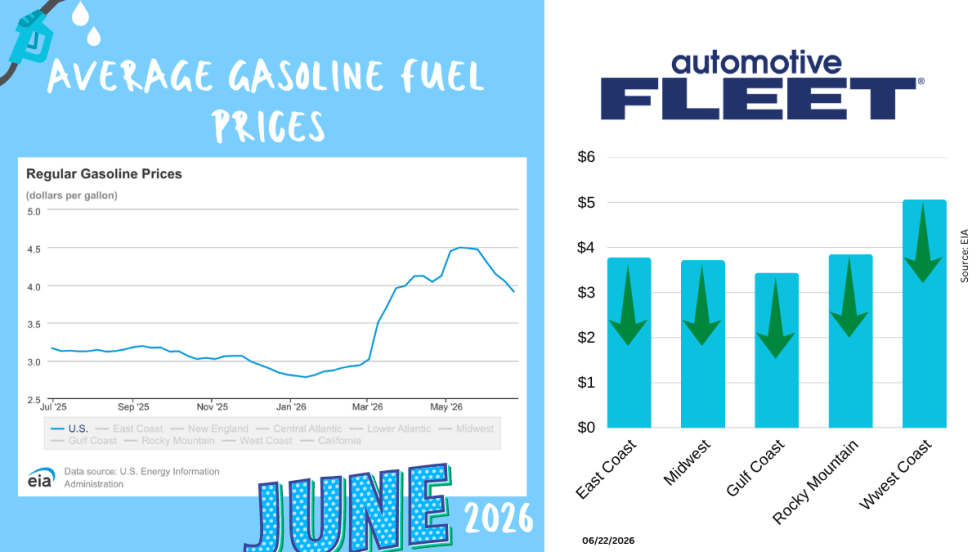
June Fuel Update: Prices Fall Below $4
Drivers are finally getting some relief at the pump. The national average gas price has dropped below $4 a gallon for the first time in months, with prices falling in 47 states as oil markets react to developments in U.S.-Iran negotiations.
Read More →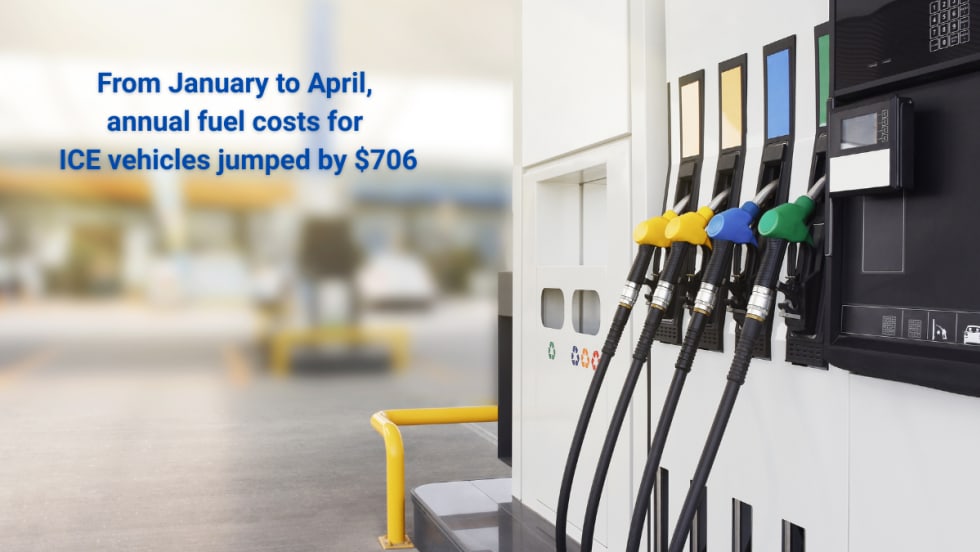
Study: How 2026's Gas Price Hikes Affect Different Vehicle Types
New data from iSeeCars reveals how rising fuel costs have affected different vehicle segments as gasoline prices climbed nearly 46% over the past four months.
Read More →
Are You Tracking Your Fleet's True Total Cost of Ownership?
Bobit Business Media surveyed 190 fleet professionals and found that while most fleets are tracking costs, fragmented systems and data gaps are keeping true TCO visibility out of reach. With rising pressure to control spend in an increasingly volatile environment, the gap between what fleets think they know and what the data actually shows is wider than you might expect. See how your peers are managing costs today and where the industry still has room to improve.
Read More →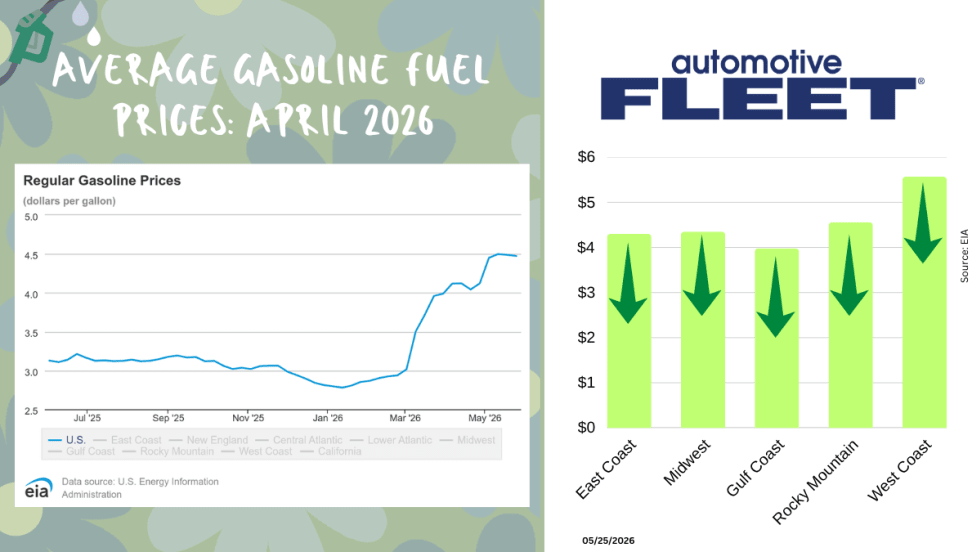
May Fuel Update: All Regions Experience Declines
Gas prices are finally easing in much of the country, but experts warn global tensions could quickly reverse the trend as the national average remains well above last month’s levels.
Read More →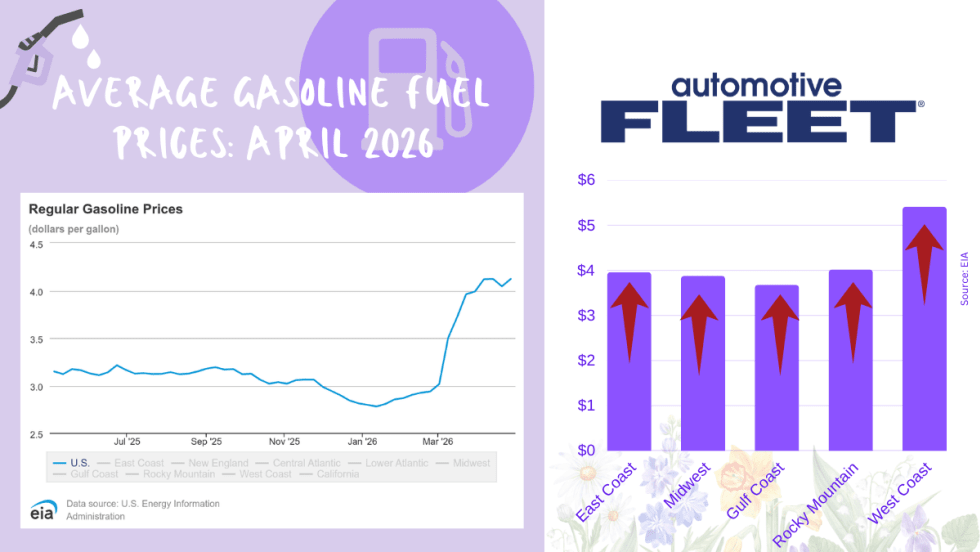
April Fuel Update: Prices Climb Above $4 as Spring Surge Accelerates
National average jumps to $4.04 per gallon, up sharply from last year, with West Coast prices topping $5 and further increases expected amid rising oil tensions.
Read More →
Tips from Fleet Managers on Saving Fuel Costs
Fleet leaders share practical strategies to reduce fuel spend through smarter policy, routing, and driver guidance.
Read More →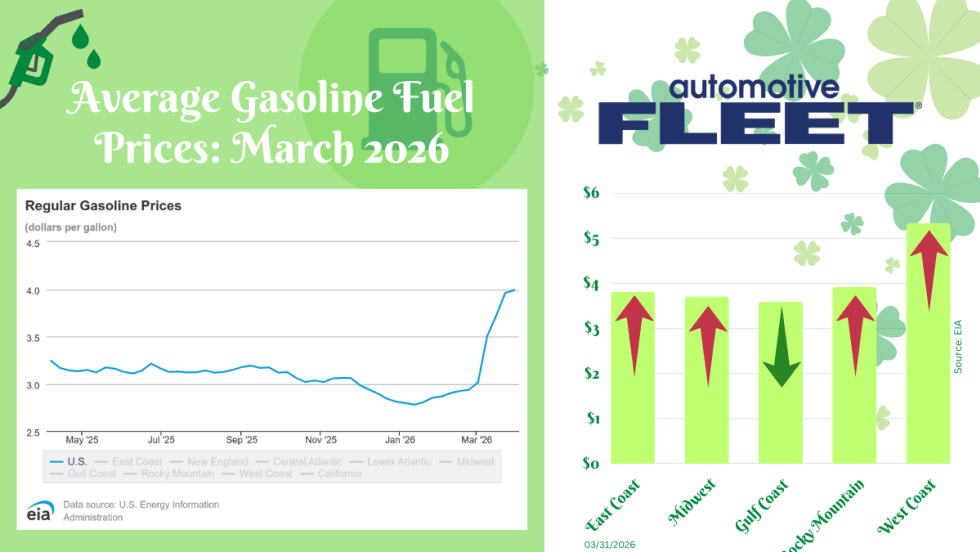
March Fuel Update: Prices Settle With a $4 Average
Fuel prices significantly slowed this week, but a $4 national average is still expected.
Read More →