





Stay Up to Date! 21 Fleet Leaders Nominated for the 2025 Edward J. Bobit Fleet Manager of the Year Award
Police Cuts Fueled Spike in Impaired-Driving Deaths During the Pandemic
Through an IIHS study, research shows that the rise in impaired-driving deaths during the COVID-19 pandemic is related to mental health issues as well as cuts to police rosters.
July 4, 2025

The IIHS study revealed some crucial information relating mental health, the pandemic, and impaired-driving statistics.
Photo: IIHS
4 min to read
An IIHS Study Reveals National Mental Health Crisis
A national mental health crisis and reductions in policing may have helped fuel an increase in impaired-driving deaths during the COVID-19 pandemic. While the role of more liberal alcohol policies was unclear, a new study from the Insurance Institute for Highway Safety shows something else.
“These results reinforce the need for a Safe System approach that incorporates multiple measures to combat impaired driving,” IIHS President David Harkey said. “Sobriety checks and other visible policing efforts can only happen if we have enough officers. We should also boost programs that include treatment for substance abuse and mental health disorders.”
In 2019, prior to the onset of the COVID-19 pandemic, 28% of passenger-vehicle drivers killed in crashes had a blood alcohol concentration of 0.08% or more, which is the legal limit in most states. In 2020, as the effects of the pandemic set in, that proportion increased to 30% and remained elevated through 2022.
A IIHS analysis of fatal crashes from 2018-22 showed increases in self-reported depressive episodes and suicide plans and reductions in full-time law enforcement personnel. Both were associated with rises in impaired-driver deaths.
The effects of changes in alcohol policy were mixed. Allowing home delivery of alcohol from bars and restaurants was associated with more impaired-driver deaths, but allowing those establishments to sell to-go drinks was associated with fewer.
Studies conducted by researchers from other organizations have shown that at the most basic level, the rise in impaired driving was related to an increase in alcohol consumption. In surveys conducted in May 2020, 60% of U.S. adults reported they had been drinking more with the onset of the pandemic. Sales figures for alcohol also showed a higher volume sold from March 2020 to August 2021 than in those same months from 2017 to 2019.
Mental health factors likely contributed to those increases in consumption. During the pandemic, many Americans struggled with the isolation of lockdown, stress related to lack of childcare and lost income, anxiety about health risks, and more.
Researchers found a 1.0 increase in the percentage of adults reporting a major depressive episode over the past year, and a 0.5 increase in the percentage who reported making suicide plans. Both were associated with 304 and 322 additional impaired-driver deaths per year, respectively.
Meanwhile, there was a reduction in policing around the same time, which may have reduced any hesitation that drinkers had about getting behind the wheel. Concerns about contracting COVID prompted some departments to scale back on traffic stops and other routine work. Various municipalities also reduced police funding after the killing of George Floyd in May 2020, and many departments put less emphasis on proactive enforcement in the months that followed.
An average loss of five full-time law enforcement officers per 100,000 residents nationwide from 2018 to 2022 was associated with an annual increase of about 214 more impaired-driver deaths.
The new alcohol policies had as large an impact, but the two changes moved the needle in opposite directions.
The number of states that allowed bars and restaurants to make home deliveries of alcohol rose from 21 to 37 between January and December of 2020, and the number allowing such establishments to sell alcohol to go increased from 21 states to 45. Home-delivery policies were associated with around 304 additional impaired-driver deaths per year in the states that adopted them. In contrast, for reasons that remain unclear, to-go policies were associated with about 450 fewer deaths per year in states with those rules in place.
For the most part, the mental health indicators, police employment levels, and alcohol policies showed similar trends in separate analyses of crash deaths for drivers ages 16-20. However, the effects of all the variables were much smaller for younger drivers.
“It’s notable that the effect of the mental health crisis was more pronounced than the reduction in policing, as the mental health dimension of the impaired-driving problem receives comparatively little attention,” said study author Angela Eichelberger, a senior research scientist at IIHS.
While there have been efforts to bring a mental-health-oriented approach to impaired driving, they are relatively rare. One example is designated DUI courts.
Staffed by prosecutors and judges who specialize in driving-while-intoxicated cases, these special courts have been shown to reduce repeat offenses by incorporating counseling, support groups, and mental health programs with intense supervision. The National Treatment Court Resource Center reports that there were 295 DWI courts across the United States as of 2024.
For more information, go to iihs.org.
More Vehicle Research
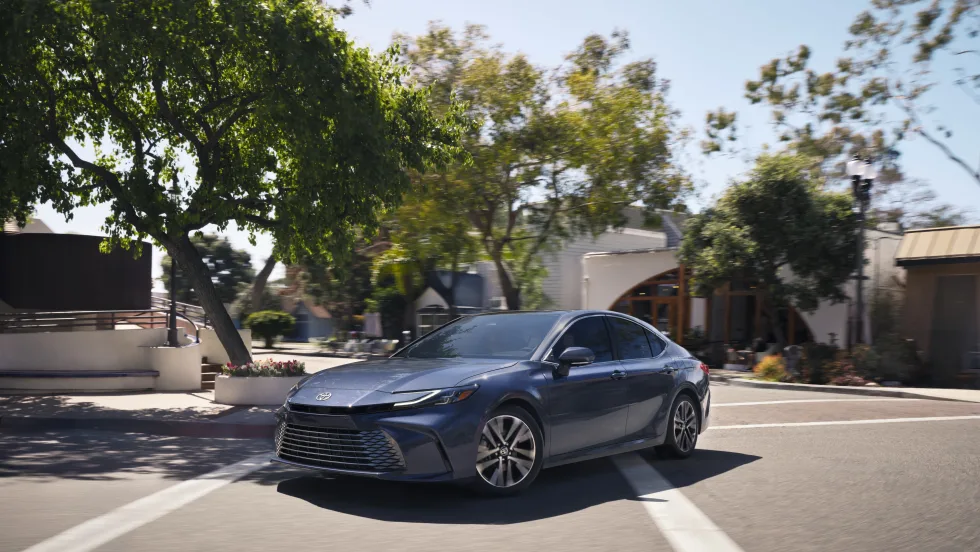
2027 Toyota Camry Offers Hybrid Powertrain Across Five Grades
The 2027 Toyota Camry is a carryover with new pricing.
Read More →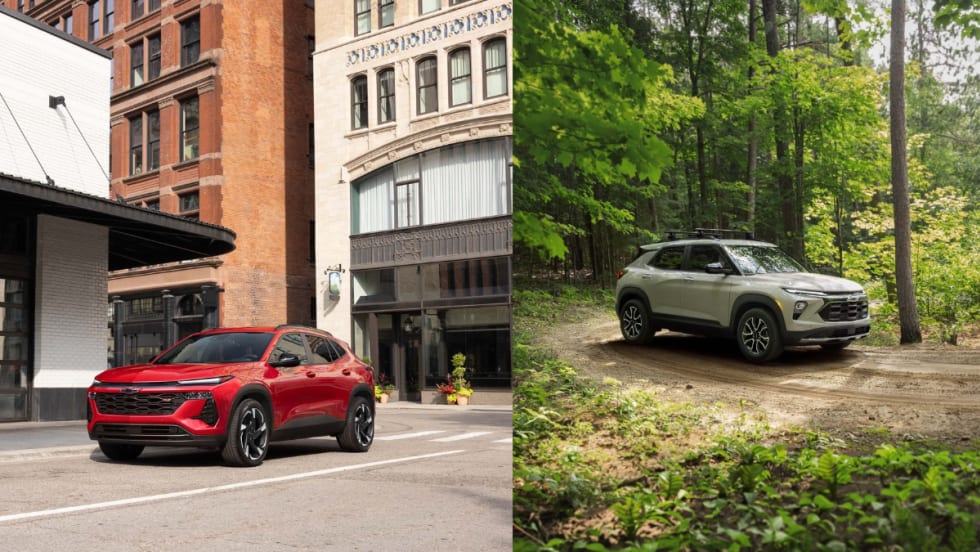
Chevrolet Updates 2027 Trax and Trailblazer with More Standard Safety Features
Chevrolet is updating two of its smallest SUVs with added driver-assistance technology, redesigned interiors, and revised trim options. The changes could add more safety equipment as standard for commercial fleets, while a new Trailblazer configuration adds another all-wheel-drive option.
Read More →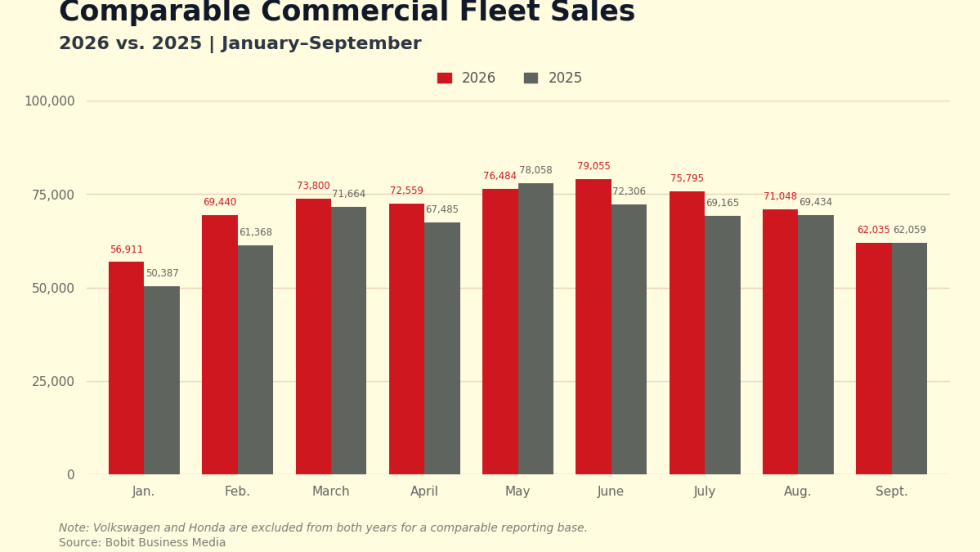
Commercial Fleet Sales Rise 5.8% Through September 2026
September commercial fleet sales were essentially unchanged from a year earlier, slowing year-to-date growth while keeping volume ahead of 2025.
Read More →
Hall of Fame Inductee: John Dmochowsky
The longtime Mondelēz International fleet executive joins the Automotive Fleet Hall of Fame.
Read More →
Hall of Fame Inductee: Lee Miller
After more than four decades at Boehringer Ingelheim, Lee Miller leaves a legacy built on fleet expertise.
Read More →
Hall of Fame Inductee: Mark F. Petersen
From managing fleets of thousands of vehicles to advancing safety and mentoring fellow professionals, Mark F. Petersen made his mark across both the corporate and supplier sides of fleet.
Read More →
When Charger Downtime Becomes a Fleet Availability Problem
As EV deployments move beyond pilot programs, charger reliability can directly affect vehicle readiness, driver productivity and route scheduling.
Read More →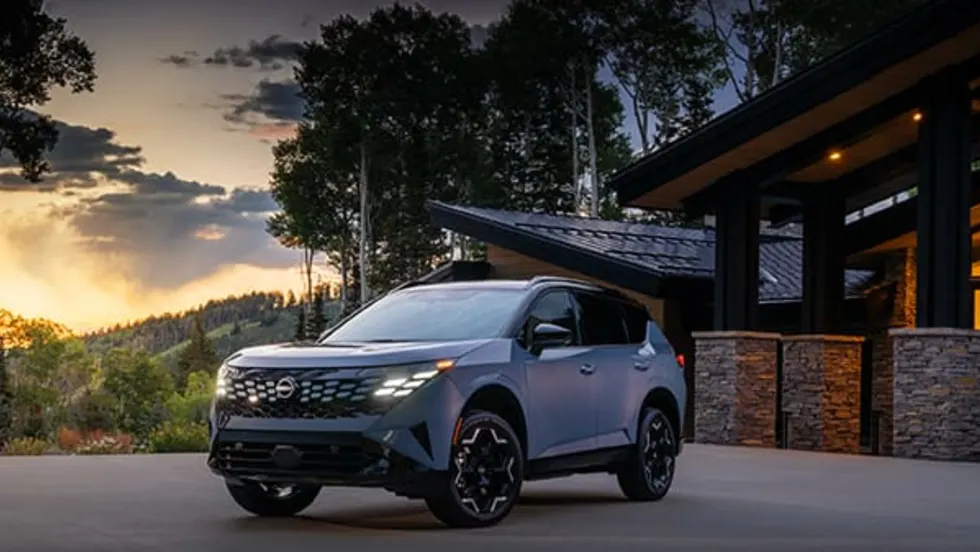
2027 Nissan Rogue Hybrid Adds e-POWER, Standard AWD
The new Rogue Hybrid uses Nissan’s e-POWER system with dual electric motors, offers an estimated 40 mpg and starts at $35,490.
Read More →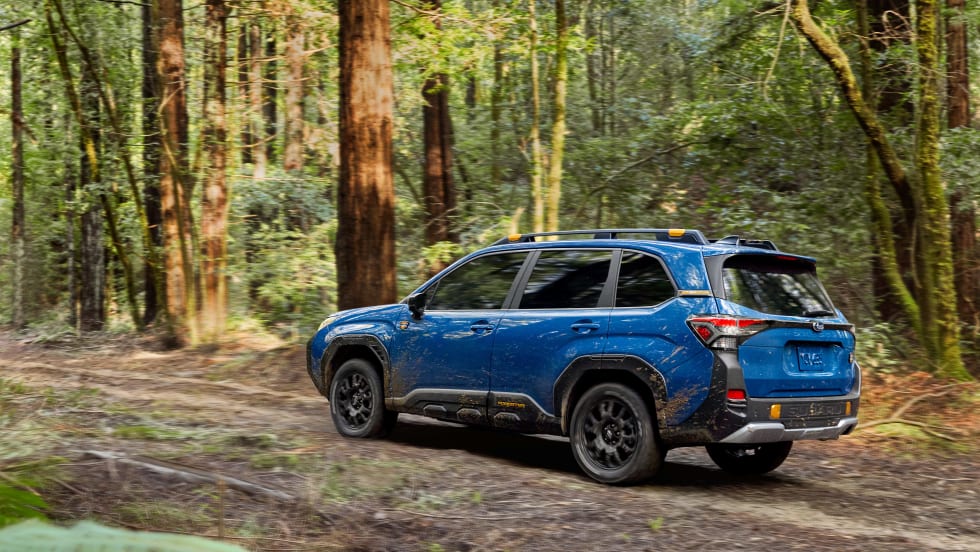
2027 Subaru Forester Adds First Wilderness Hybrid
The 2027 Forester lineup starts at $29,995 and adds a Wilderness Hybrid with 194 combined horsepower and 9.3 inches of ground clearance.
Read More →
EV Realty Names Henrik Holland President as Charging Platform Expands
The former Prologis Mobility and Shell executive will help expand EV Realty’s truck charging business and move its power-first infrastructure model into autonomous vehicle depots and other fleet sectors.
Read More →