




PHH FirstFleet Study Identifies Five Ways to Boost Truck Fleet Fuel Efficiency
FORT LAUDERDALE, Fla. --- PHH FirstFleet announced the results of its 18-month, telematics-based fuel study of U.S. truck fleets in the grocery, manufacturing, fuel and retail markets.
FORT LAUDERDALE, Fla. --- PHH FirstFleet announced the results of its 18-month, telematics-based fuel study of U.S. truck fleets in the grocery, manufacturing, fuel and retail markets. This benchmark multi-phased study goes beyond speeding and idling, indicating several major fuel-saving tactics. The study also offers a Top Five Tip List for fleet managers in the second half of 2007. The PHH FirstFleet Fuel Study was headed by Ezel Baltali, an applications engineer. Along with a team of engineers, Baltali developed the following hypothesis: By slightly over-spec'ing engines in order to run more consistently in the "sweet spot," choosing a gear ratio low enough to suit a fleet's application and location, and enabling the correct fuel-efficient, engine-specific parameters, fuel economy will improve by 0.3 MPG (or around 5 percent). The study's findings showed that the hypothesis is correct. When combined with other variables including progressive shifting, APUs and chassis improvements, this "sweet spot" is where both fuel efficiency and performance are maximized. Additionally, the study concluded that slightly over-spec'ing engines improves fuel economy, which equates to a savings of approximately $2,000 per tractor per year (assuming 100,000 miles are driven per year). "New emissions standards, the launch of ultra-low sulphur diesel (ULSD) and new truck requirements create several challenges for the industry," said Michael C. Lewis, president and general manager. "We anticipate truck sales declining, prices increasing, and an overall decrease in fuel economy for private fleets, all of which dictate creative cost-cutting strategies. This study points to fuel-saving initiatives other than driver habits, such as speeding and idling, to help reduce operating costs." In conjunction with the results of PHH FirstFleet's Fuel Study, the company is announcing a Top Five Tip List for achieving better fuel economy: 1. Increase engine torque ratings -- Increasing torque ratings provides a simple and effective method to decrease time spent in the high-output torque ranges. Driving at high-output torque ratings also leads to over-revving, or RPMs higher than the engine parameters specify. Over-revving shortens the life of the engine, which sustains higher costs and lower fuel economy. On the same note, driving in a lower RPM range than the engine's specified parameters may result in driver dissatisfaction and could require increased downshifting, which indirectly causes over-revving. 2. Decrease gear ratio -- Choosing a lower gear ratio improves fuel economy, reduces engine wear, increases speed at lower RPMs and may help reduce over-revving. In general, choose the correct rear axle gear ratio for the fleet's application and needs, but consider that while higher gear ratios may improve overall performance and provide added power in lower gears, additional power causes equipment to lose fuel economy. If improving fuel economy remains a priority, consider whether the extra performance validates the loss in fuel economy. 3. Engine Specific Parameter Controls a. Speeding -- Above 70 MPH, a tractor's engine works to overcome aerodynamic drag. In fact, it demands over 60 percent of the engine's total available horsepower, which significantly increases fuel consumption. If speed is decreased to 55 MPH in the appropriate gear, the horsepower demand is reduced to only 40 percent and draws less fuel. b. Idling -- Idling achieves 0.0 Miles-per-gallon and uses .5 to 1 gallon of fuel per hour. Consider idle shutdown in order to save fuel while at stops. c. Progressive Shifting -- Drivers shifting quickly in lower gears prevents over-revving, which decreases fuel consumption and increases fuel economy. 4. Spec APUs -- Auxiliary Power Units (APUs) allow drivers to run peripheral applications like air conditioning without running the engine. This decreases idling, reducing fuel consumption and improving fuel economy. Because APUs carry extra weight, the payload must decrease to meet weight limits. 5. Chassis Improvements a. Aerodynamics --- New innovations in trailer aerodynamics --- as well as roof fairings, side fairings, and bumper and side skirts --- provide decreased wind resistance, which reduces required horsepower and thus fuel consumption. b. Lower Weight --- New materials allow for less weight and more potential fuel economy gains, although with decreased chassis and trailer weight, overall payloads may increase and offset the fuel economy improvements. c. Low Profile Radial or Wide Based Tires --- Research indicates that fuel economy can improve as much as 2 percent to 5 percent by using low profile and/or wide based tires and wheels. Decreased weight and lower rolling resistance are the key contributors to fuel economy improvements. In the future, PHH FirstFleet's Fuel Study is expected to explore the relationship between maintenance, cost-per-mile and fuel efficiency. Leveraging PHH Onboard telematics and engine control module (ECM) data to correlate maintenance alerts (e.g. when cylinders misfire, battery voltage is abnormal or preventative maintenance needs to be scheduled), PHH FirstFleet expects to determine an even better cost-per-mile strategy and establish better maintenance procedures, which may improve MPG.
More Fuel

Bob Adamsky on Fuel Volatility: "Don't Panic, Have a Plan."
When it comes to up and down fuel prices, Adamsky has a message for fleets: “Don’t panic.”
Read More →
How Fleets Can Gain Control of Non-Fuel Spend
Fuel often gets the spotlight, but non-fuel expenses can have a major impact on fleet costs. Ramel Lindsay of U.S. Bank Voyager discusses how fleets can gain better visibility and control over these often-overlooked expenditures.
Read More →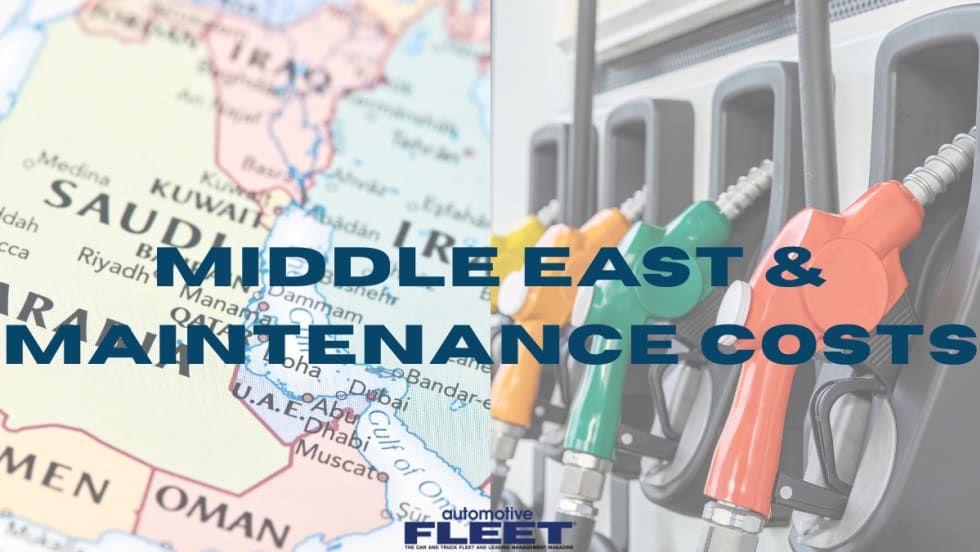
Fuel is Just the Start: How Middle East Tensions are Driving Up Fleet Maintenance Costs
The Middle East conflict is doing more than pushing up fuel prices. It’s also raising the cost of key maintenance products your fleet depends on, from motor oil to tires to windshield wipers. Here’s what you need to know about this budget-busting situation.
Read More →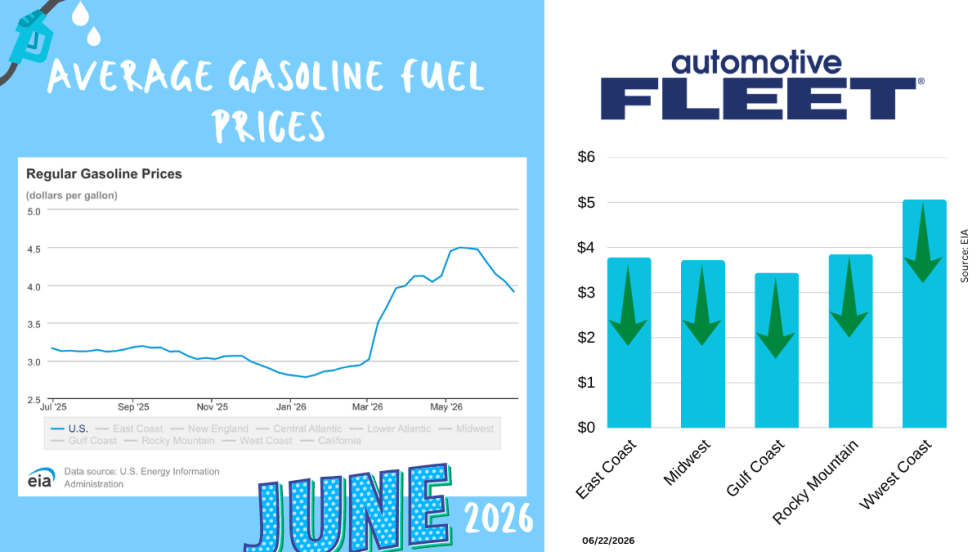
June Fuel Update: Prices Fall Below $4
Drivers are finally getting some relief at the pump. The national average gas price has dropped below $4 a gallon for the first time in months, with prices falling in 47 states as oil markets react to developments in U.S.-Iran negotiations.
Read More →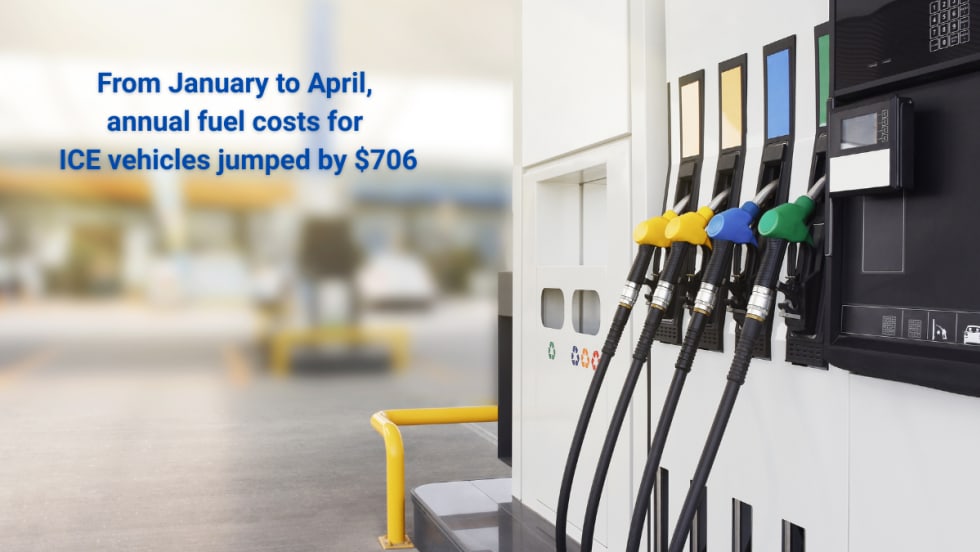
Study: How 2026's Gas Price Hikes Affect Different Vehicle Types
New data from iSeeCars reveals how rising fuel costs have affected different vehicle segments as gasoline prices climbed nearly 46% over the past four months.
Read More →
Are You Tracking Your Fleet's True Total Cost of Ownership?
Bobit Business Media surveyed 190 fleet professionals and found that while most fleets are tracking costs, fragmented systems and data gaps are keeping true TCO visibility out of reach. With rising pressure to control spend in an increasingly volatile environment, the gap between what fleets think they know and what the data actually shows is wider than you might expect. See how your peers are managing costs today and where the industry still has room to improve.
Read More →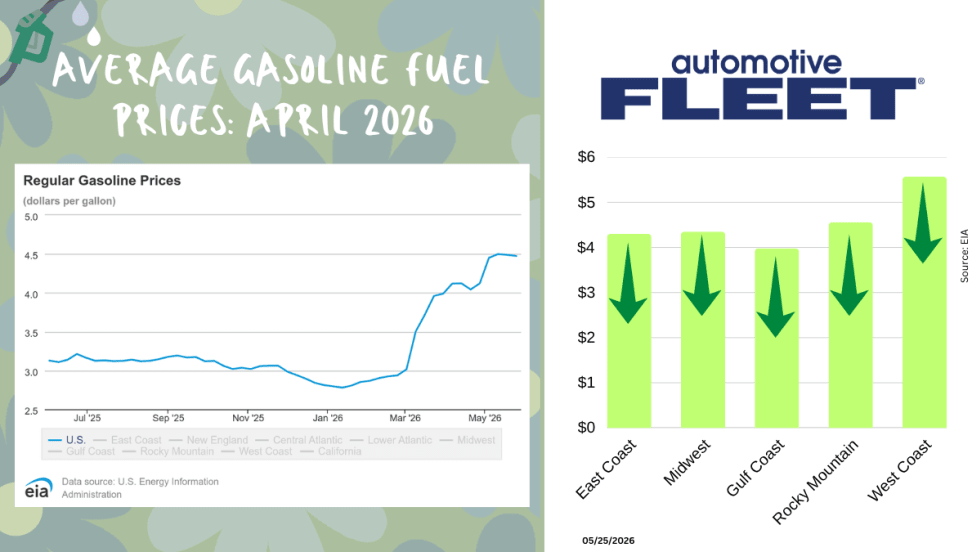
May Fuel Update: All Regions Experience Declines
Gas prices are finally easing in much of the country, but experts warn global tensions could quickly reverse the trend as the national average remains well above last month’s levels.
Read More →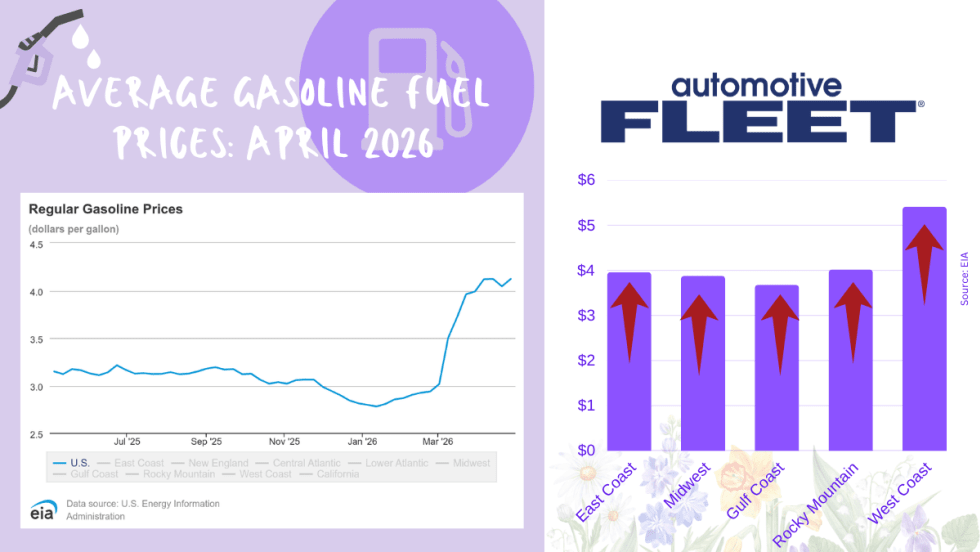
April Fuel Update: Prices Climb Above $4 as Spring Surge Accelerates
National average jumps to $4.04 per gallon, up sharply from last year, with West Coast prices topping $5 and further increases expected amid rising oil tensions.
Read More →
Tips from Fleet Managers on Saving Fuel Costs
Fleet leaders share practical strategies to reduce fuel spend through smarter policy, routing, and driver guidance.
Read More →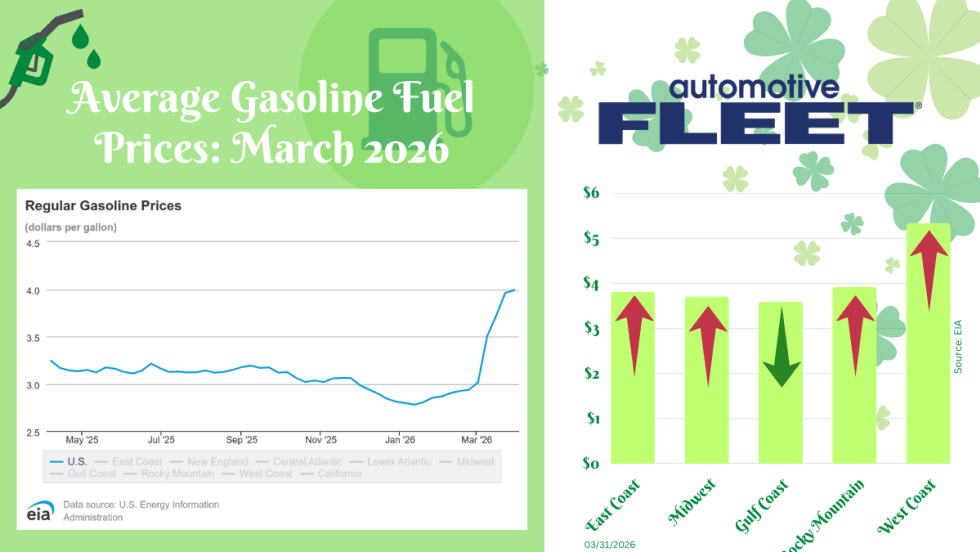
March Fuel Update: Prices Settle With a $4 Average
Fuel prices significantly slowed this week, but a $4 national average is still expected.
Read More →