




OnStar Navigation System to Get Upgrade
DETROIT - Ten years after it first introduced the OnStar safety and navigation system, General Motors Corp. is making a significant upgrade that will allow customers to get real-time directions as they're driving.
DETROIT - Ten years after it first introduced the OnStar safety and navigation system, General Motors Corp. is making a significant upgrade that will allow customers to get real-time directions as they're driving, reported the Associated Press. GM plans to announce the new option at the Chicago Auto Show, the same venue where it introduced OnStar in 1996. Turn-by-Turn Navigation will debut on the Buick Lucerne and the Cadillac DTS in March and will gradually be added to other GM vehicles. GM says it will be available on approximately 1 million cars and trucks by the 2007 model year. Around 4 million drivers now have OnStar, a service unique to GM. That will increase exponentially in the next few years, since GM plans to make OnStar standard on all vehicles by 2007. OnStar has always been able to give directions, track a stolen car, unlock a car when the keys are left inside, or summon an ambulance after an accident. Gradually, other features have been added, such as the ability to make hands-free calls and send monthly vehicle diagnostic reports. Right now, OnStar owners can press a button to dial an operator and get audio directions based on their location, which is pinpointed by satellite. The directions are read off immediately. The system lets customers tape the directions and play them back as they drive, but it doesn't keep track of the vehicle's progress as it follows the route. With the new system, drivers will call an operator and ask for audio directions, which are downloaded by the operator. A computerized voice will come on and talk the driver through each step of the route as they're driving. If the driver leaves the route, the system will alert the driver and recalculate the directions based on the new location. OnStar President Chet Huber said in the Associated Press report that the new system is easy to use and safer than screen-based navigation because drivers never have to take their eyes off the road. It also will be less expensive than installing a navigation screen, which can cost between $1,500 and $3,000, he said. Directions are available in English, Spanish or French. Huber wouldn't give the exact cost of the Turn-by-Turn Navigation option, but he said it will be less than $34.95 per month, which is what customers currently pay to access directions from OnStar. Customers pay $16.95 per month for OnStar safety features, such as an automatic call when the air bag deploys. Handsfree calling minutes are purchased separately. Eighty-five percent of OnStar customers currently get only the safety package, while 15 percent get the directions package, Huber said, according to the Associated Press report. Huber said Turn-by-Turn Navigation is less labor-intensive than the current system, which depends heavily on live operators. OnStar currently has three call centers, in Michigan, North Carolina and Ontario. GM doesn't release separate financial data for OnStar, but company officials have said GM first started making money from OnStar in 2003. OnStar had trouble catching on since drivers didn't immediately understand the system or its benefits. But Huber said that's changing. OnStar subscriptions were up 30 percent between 2004 and 2005, and more than 60 percent of customers who get the system for free in the first year of ownership are now renewing their subscriptions, he said. Huber said in the Associated Press report that competitors have been slow to match OnStar because the technology is complex and needs constant updates. GM has licensed the technology to a few competitors, but only Isuzu Motors Ltd. and Honda Motor Co.'s Acura brand have some OnStar features in 2006 models. But Huber thinks the pressure will be on as OnStar moves into every GM vehicle.
More Telematics
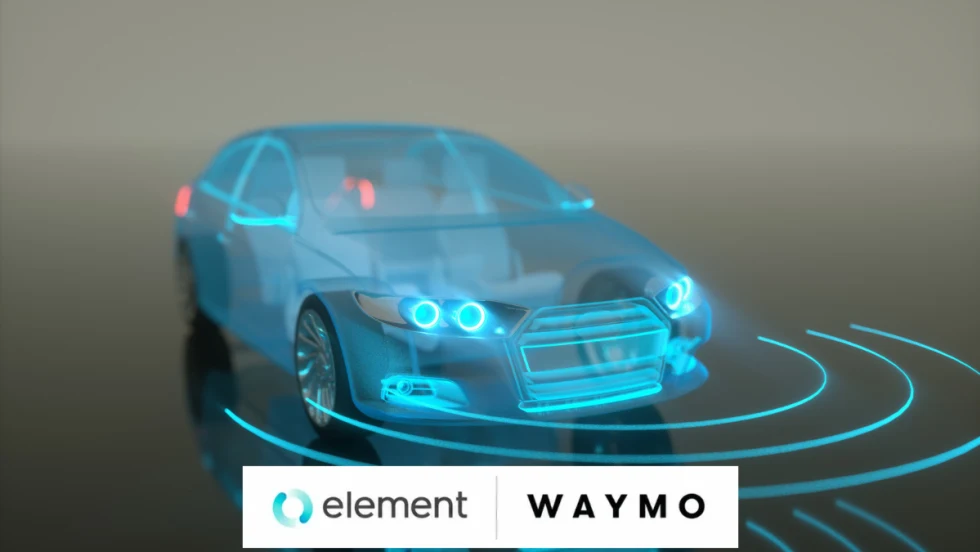
Element Expands Waymo Partnership to Support Toronto Robotaxi Fleet
As Waymo prepares to enter the Canadian market, Element Fleet Management will oversee the fleet operations supporting its planned Toronto launch. The partnership highlights the maintenance, charging, and infrastructure requirements behind operating autonomous vehicles at scale.
Read More →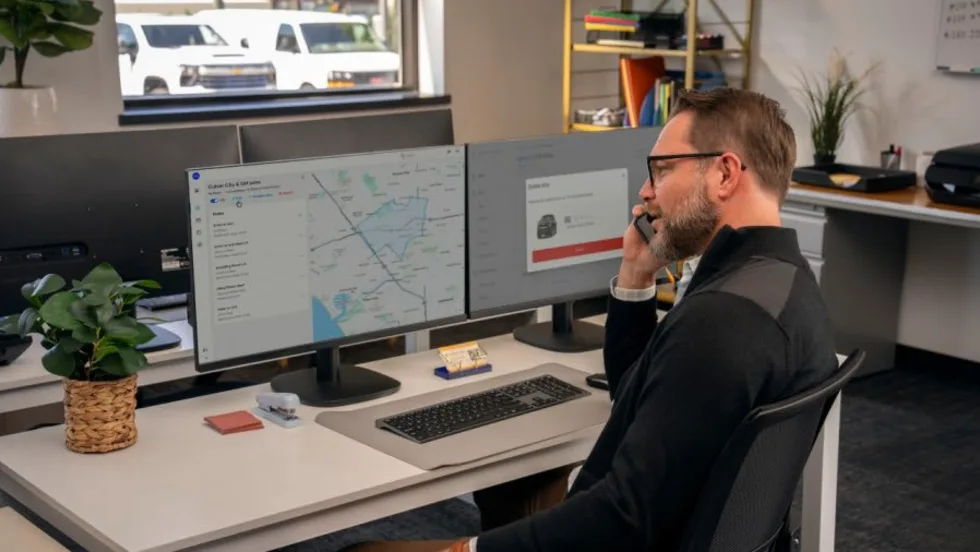
GM Launches OnStar Fleet Intelligence Platform With AI Assistant
The new platform brings vehicle data, order tracking, connected services and fleet analytics into one system, with an AI assistant that can answer fleet questions using natural-language prompts.
Read More →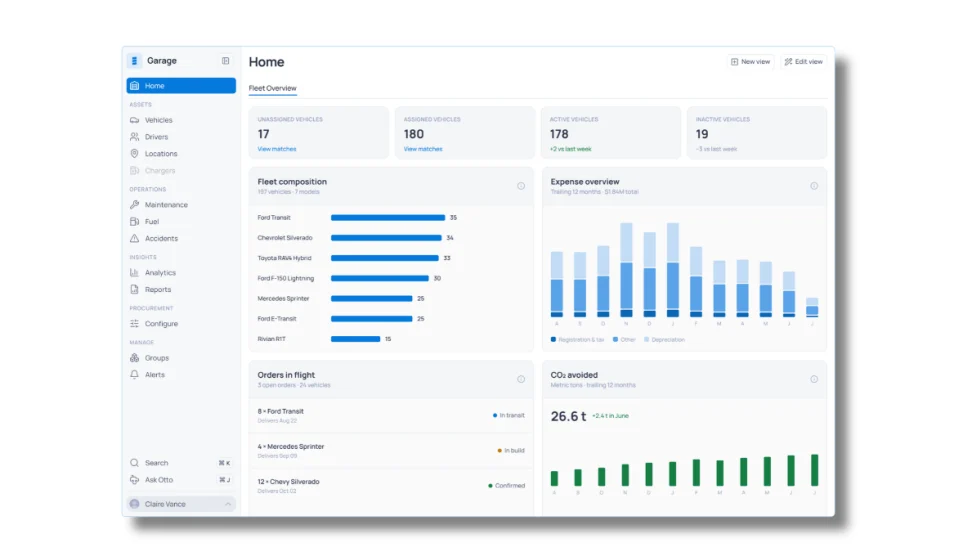
Inspiration Fleet Introduces Garage 2.0 Fleet Intelligence Platform
Fleet managers increasingly have access to data from vehicles, telematics, fuel, charging, and other systems, but those sources don't always communicate with one another. Inspiration Fleet's Garage 2.0 platform brings that information together while letting fleets keep working with different technology and service providers.
Read More →
Inside Inspiration Fleet’s New Platform for Connecting Fleet Data
Inspiration Fleet CTO Chris Getner explains how the new Garage 2.0 platform is designed to connect disparate fleet data and what that could mean for fleet managers in practice.
Read More →
Fleet Manager’s Ultimate Playbook: Navigating the New Standard in OEM Connectivity
Rising operating costs, driver safety concerns, and unplanned downtime are putting unprecedented pressure on modern fleets. Discover how fleet managers use embedded OEM connectivity and real-time vehicle data to cut TCO, prevent downtime, and protect drivers without aftermarket telematics hardware.
Read More →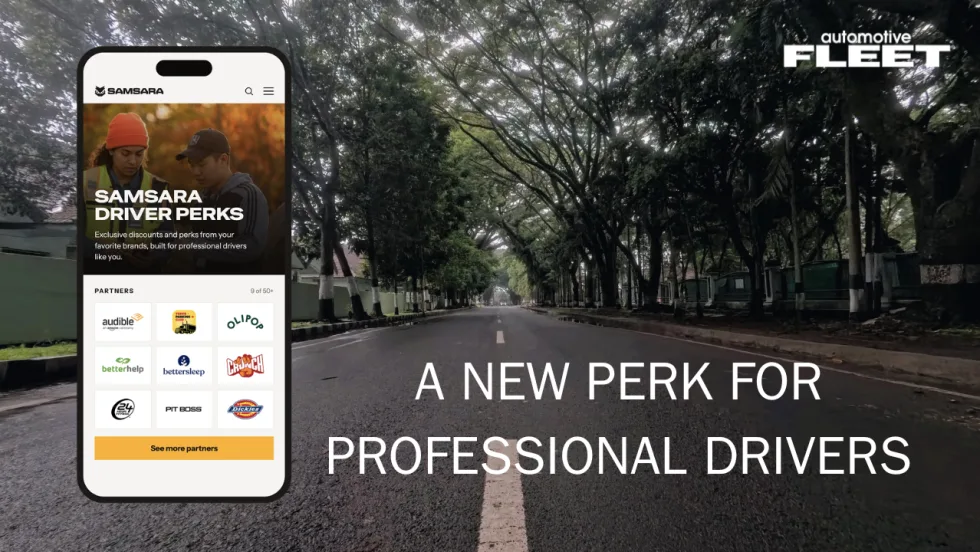
Samsara Driver Perks Adds New Benefit for Corporate Fleet Drivers
The rewards program gives eligible professional drivers access to discounts from more than 50 brands while giving fleets another way to support recruitment, retention, and the driver experience.
Read More →
Inside the Church of Jesus Christ of Latter-day Saints’ Two-Track Telematics Strategy
With 20,000 vehicles and two fundamentally different driver populations, the Church faced a fleet management problem that a single telematics program couldn't solve. How it responded offers a replicable framework for any fleet where one size doesn't fit every driver.
Read More →
How Conversational AI Can Make Fleet Tasks Easier for Drivers
While most generative AI tools help fleet managers interpret data at their desks, Connex2X is applying voice interaction to tasks behind the wheel.
Read More →
Why Fleets Are Creating Dedicated Fleet Analyst Positions
Are fleet analyst positions the new norm? Listen here to find out.
Read More →
Teletrac Navman Begins Next Chapter as Standalone Private Company
What's new with Teletrac Navman and its new owner?
Read More →