




Only Fuel Tax Hike Can Deliver on Infrastructure Promise, ATRI Says
It will take nothing less than an increase in the federal tax on motor fuels if President Trump’s vision for a trillion-dollar investment in the nation’s infrastructure is ever to be realized. That’s the stark conclusion of a new report just issued by the American Transportation Research Institute.

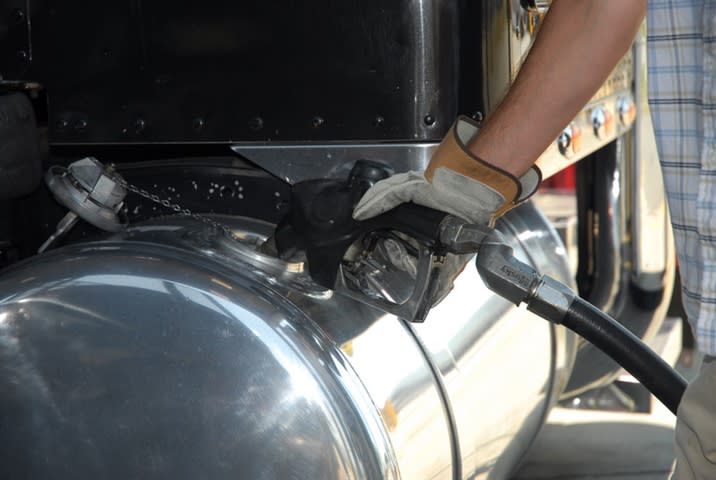
Photo: Jim Park

Photo: Jim Park
It will take nothing less than an increase in the federal tax on motor fuels if President Trump’s vision for a trillion-dollar investment in the nation’s infrastructure is ever to be realized. That’s the stark conclusion of a new report just issued by the American Transportation Research Institute.
Titled “A Framework for Infrastructure Funding,” the ATRI report found that the “only meaningful mechanism for attaining the [Trump] administration's vision for a large-scale infrastructure program is through a federal fuel tax increase.”
Authored by Jeffrey Short, ATRI senior research associate, the report also determined that the inefficiency of other funding mechanisms-- including mileage-based user fees and increased tolling-- will “fall far short of the needed revenue stream without placing undue hardship on system users.” In addition, the report argues for indexing the fuel tax to inflation going forward.
The nonprofit industry research outfit said in a statement that “a federal fuel tax increase will incentivize states to generate multi-million dollar matches to the new federal funds, ultimately moving the United States closer to the infrastructure investment goals proposed by both Congress and the President.”
ATRI also said the report details what will happen if Congress does nothing but kick fuel tax can down the road again. As it is, the federal fuel tax has not been raised in more than two decades.
“While the trucking industry contributes more than $18 billion in federal user fees each year, growing traffic congestion and freight bottlenecks now cost the industry more than $63 billion annually,” the group stated. “The report also indicates that growth of e-commerce will likely slow as freight deliveries fail to meet the real-time demands of U.S. consumers.”
In the report, author Short calls the federal motor fuels tax “a successful model for assessing a road user charge” and notes that states have followed the federal lead with their own state-level fuel taxes.
“Since this tax is assessed on a per-gallon basis, it is directly tied to road usage and vehicle type/size,” he points out. “Unlike tolling, the tax is tied to use of all roadways, and not limited to specific road segments. Additionally, fuel tax collection is a highly efficient process… It is estimated that the cost for collecting federal motor fuel excise tax revenue is just 0.2% of the revenue collected.”
Short also disputed the contention held by “many federal fuel tax detractors” that the fuel tax is unsustainable: “This perceived sustainability issue, however, is largely due to political recalcitrance and an outdated tax rate that has not been increased by Congress since 1993.”
Other key findings and recommendations detailed in the new report include:
“A newly created federal vehicle registration fee would be the most efficient mechanism to fill funding gaps associated with electric vehicle use. These fees could be seamlessly implemented using the same systems as those successfully used to collect state registration fees.”
“A bureaucracy as large as the IRS would be required to collect, manage and enforce a national vehicle miles traveled (VMT) tax on the more than 250 million vehicles registered in the U.S. Additionally, mileage tax evasion would likely skyrocket under a program that can't "see" non-paying users.”
“The practice of road tolling continues to be an expensive proposition for collecting highway funds. While several toll systems slightly improved their administrative efficiency, the majority of toll systems spend more than ten cents of every dollar collected on administrative activities. Many systems are losing money, and almost all privatized toll roads in the U.S. have filed bankruptcy.”
“In terms of secondary benefits from a fuel tax focus, ATRI's findings suggest that every U.S. state would experience significant employment gains as a result of a 10 or 20 cent federal fuel tax increase. In total, states would receive between $15 billion and $30 billion or more annually through a federal fuel tax increase; nearly half a million jobs could be created nationwide with a 20 cent federal fuel tax increase.”
“According to the literature and public polling data, American taxpayers prefer a federal fuel tax over other funding mechanisms when the revenue is dedicated to transportation infrastructure.”
American Trucking Associations President and CEO Chris Spear commented in a statement that the research “corroborates what many of us have espoused in Washington DC and in every state capital: people are demanding action on transportation investment and the federal fuel tax is the ideal tool for delivering the much needed funding.”
The entire 63-page and chart-laden report may be downloaded here.
Related: Is White House Considering Fuel Tax Increase for Infrastructure?
More Fuel
Fuel Prices Surge in September | September Fuel Update
September brought major fuel price swings, including diesel crossing $6 a gallon. Here’s how gas and diesel prices changed throughout the month, and where they stood heading into October.
Read More →
Turning Fleet Payment Data into Executive Insights
Ramel Lindsay of U.S. Bank Voyager discusses how fleets can transform payment and transaction data into actionable intelligence to reduce costs, improve oversight, and support executive decision-making.
Read More →
Why the IRS Raised Its Mileage Rate in the Middle of 2026
Fuel-price volatility drove the rare increase to 76 cents per mile, the fifth midyear adjustment since 2000.
Read More →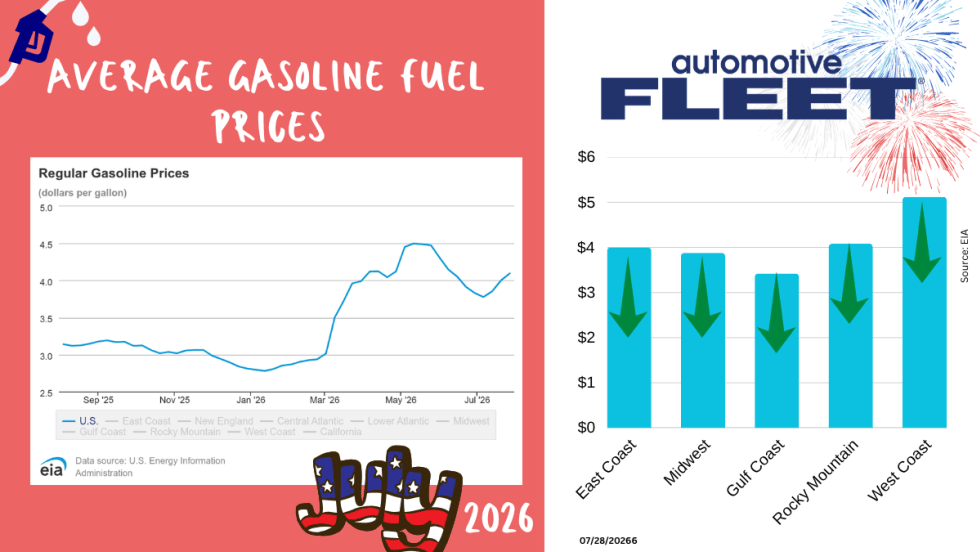
July Fuel Update: Prices Keep Rising in Light of More Conflict
Gas prices continue to rise as more and more conflicts do, too.
Read More →
Bob Adamsky on Fuel Volatility: "Don't Panic, Have a Plan."
When it comes to up and down fuel prices, Adamsky has a message for fleets: “Don’t panic.”
Read More →
How Fleets Can Gain Control of Non-Fuel Spend
Fuel often gets the spotlight, but non-fuel expenses can have a major impact on fleet costs. Ramel Lindsay of U.S. Bank Voyager discusses how fleets can gain better visibility and control over these often-overlooked expenditures.
Read More →
Fuel is Just the Start: How Middle East Tensions are Driving Up Fleet Maintenance Costs
The Middle East conflict is doing more than pushing up fuel prices. It’s also raising the cost of key maintenance products your fleet depends on, from motor oil to tires to windshield wipers. Here’s what you need to know about this budget-busting situation.
Read More →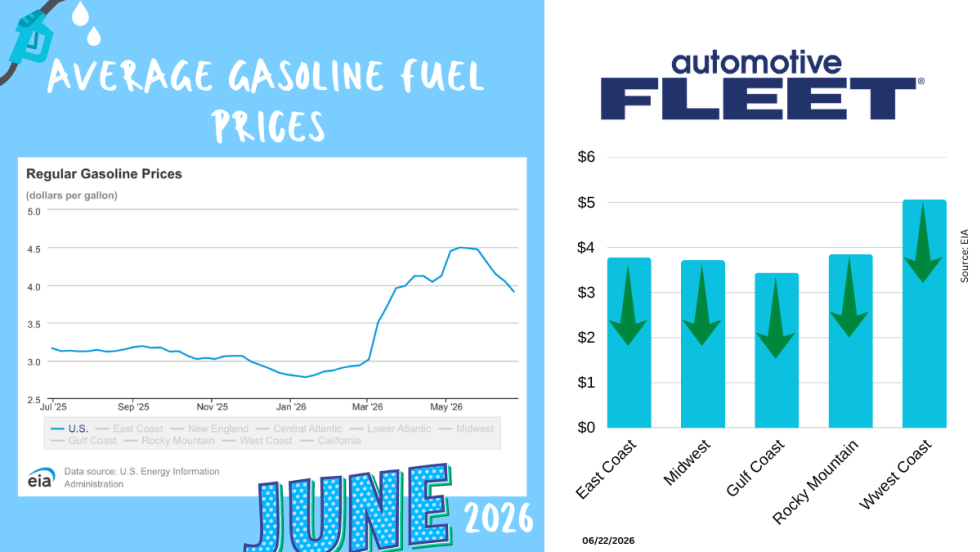
June Fuel Update: Prices Fall Below $4
Drivers are finally getting some relief at the pump. The national average gas price has dropped below $4 a gallon for the first time in months, with prices falling in 47 states as oil markets react to developments in U.S.-Iran negotiations.
Read More →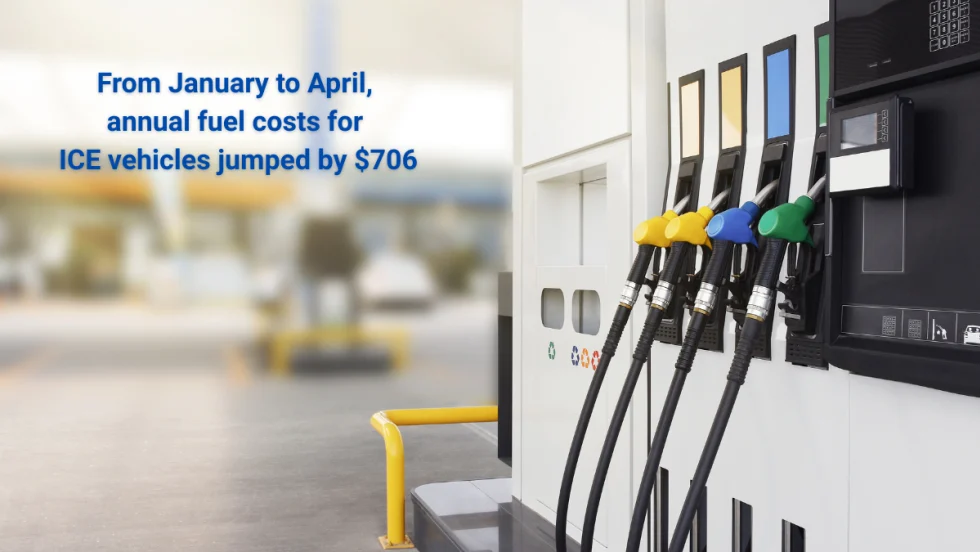
Study: How 2026's Gas Price Hikes Affect Different Vehicle Types
New data from iSeeCars reveals how rising fuel costs have affected different vehicle segments as gasoline prices climbed nearly 46% over the past four months.
Read More →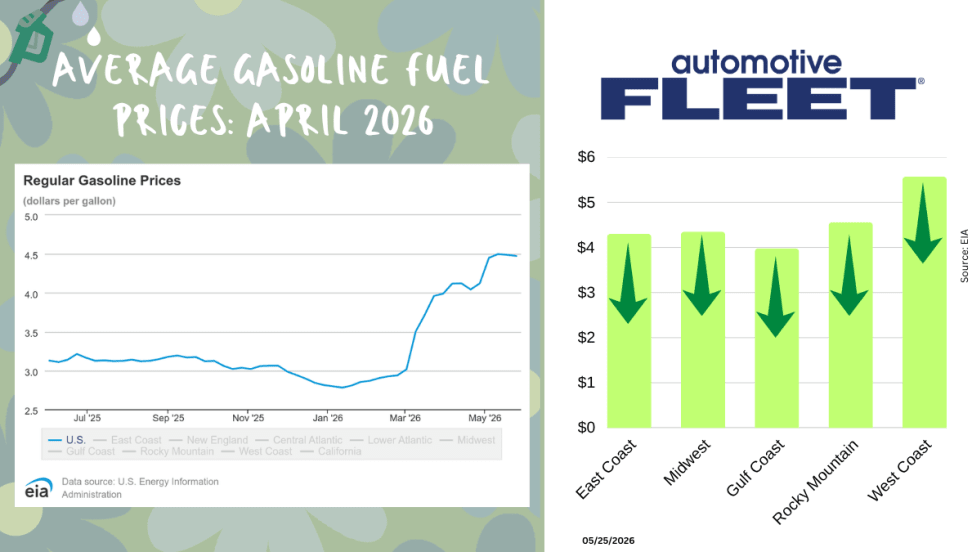
May Fuel Update: All Regions Experience Declines
Gas prices are finally easing in much of the country, but experts warn global tensions could quickly reverse the trend as the national average remains well above last month’s levels.
Read More →