





Read More: How to Evaluate and Hire Light-Duty Vehicle Drivers
Only 69% of Drivers Know Pedestrians Have the Right of Way
A new survey from Progressive tests American drivers’ knowledge of rules of the road.
September 19, 2022

The findings of a new survey of nearly 600 American drivers indicate a clear gap in knowledge as it concerns safe driving.
Photo: unsplash.com/James Coleman
2 min to read
Just 37% of drivers rated their knowledge of traffic laws, road signs, and adherence to safe driving habits as "very high," according to a new survey from Progressive.
The survey of 599 American drivers explores their understanding of the rules of the road. The findings indicate a clear gap in knowledge as it concerns safe driving.
For example, when it came to basic driving rules, most drivers — 85% — understood how to properly change a lane by signaling and checking the rearview mirror and blind spots before moving over. However, fewer respondents — just 69% — knew that pedestrians crossing with the light have the right of way.
Testing drivers’ knowledge of rules of the road didn't stop there. When asked whether crossing a double yellow line is ever acceptable, just 66% said it is never an acceptable practice. On the upside, over two-thirds (76%) of drivers understood that orange construction signs and cones on an expressway mean that they should be prepared for workers and equipment ahead.
Left lane practices reveal quite a bit of variance in behavior. Only 16% of drivers reported using the left lane for passing 100% of the time. Thirty-four percent of drivers say they sometimes intentionally stay in the left lane, and when asked if they ever stay in the left lane to punish another driver's poor behavior, 7% admitted to doing so regularly.
Some of the inconsistencies in driving rule knowledge could be due to differing state laws, notes Progressive. Laws about left lane usage, for example, vary from state to state. Some states prohibit you from driving in the left lane if you are going below the speed limit, while others prohibit driving in the left lane at all unless passing another vehicle.
When it came to risky driving behaviors, regional differences also played a role. For example, while 21% of New Englanders report speeding half the time, only 13% of Southerners said they drove above the speed limit 50% of the time.
More Southerners than any other region (41%) also rated themselves as following the rules of the road repeatedly. And, Southerners use their turn signal more than other regions, with 67% saying they always used their turn signal compared to 59% in the Northeast and West.
Perhaps it’s no surprise then that drivers in the South had fewer collisions than those in other regions of the country. Some 86% of Southerners said they haven't had an accident in the last five years.
More Safety
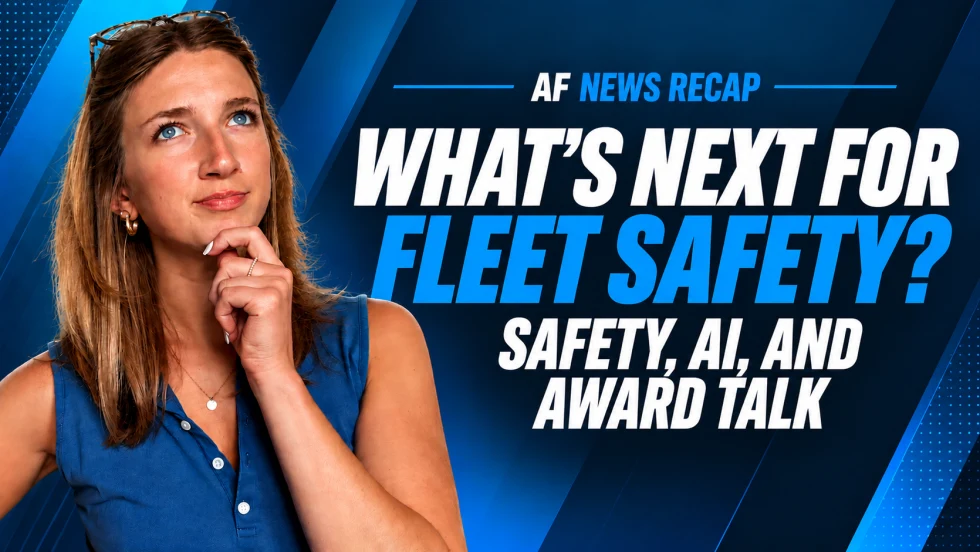
What’s Next for Fleet? Safety, AI & Industry Recognition | AF News Recap
Could your company's culture be encouraging distracted driving? This week, we're exploring how workplace expectations affect driver safety, what AI, EVs, and autonomous vehicles could mean for the future of fleet management, and how fleet professionals can strengthen their award nominations.
Read More →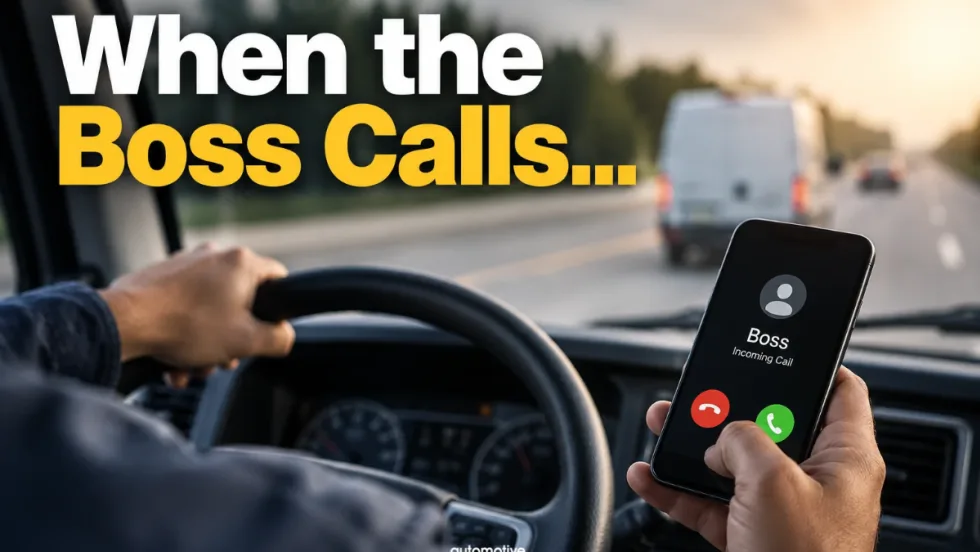
Does Your Fleet's Culture Encourage Distracted Driving?
What happens when the people responsible for enforcing safety rules are the ones setting the wrong example? The answer may reveal why some of the biggest risks to fleet drivers have little to do with what's written in the employee handbook.
Read More →
Sponsored•October 1, 2026
Fleet Manager’s Ultimate Playbook: Navigating the New Standard in OEM Connectivity
Rising operating costs, driver safety concerns, and unplanned downtime are putting unprecedented pressure on modern fleets. Discover how fleet managers use embedded OEM connectivity and real-time vehicle data to cut TCO, prevent downtime, and protect drivers without aftermarket telematics hardware.
Read More →
From Driver Well-Being to EV Charging | AF News Recap
Mental health belongs in the fleet safety conversation. This week, we’re looking at five ways fleets can support employee well-being before a crisis, plus Holman’s expansion in Mexico, new one-day Fleet Forward passes, and why EV charging demand is outpacing infrastructure growth.
Read More →
Nexar-Nauto Merger Aims to Give Fleets Better Safety Intelligence Through Larger Driving Dataset
Stefan Heck tells Automotive Fleet that combining more than 10 billion miles of driving history with Nexar's AI models will give fleets deeper insights into driver risk and roadway conditions than either company could provide independently.
Read More →
Don't Wait for a Crisis: 5 Ways to Build Mental Health Into Your Fleet Safety Program
For Suicide Prevention Month, fleet and safety leaders have an opportunity to put mental health where it belongs: at the center of workplace safety.
Read More →
How Camera Data Can Strengthen a Fleet’s Insurance Renewal
Insights from a commercial insurance carrier and a broker show how fleets can turn video telematic data, driver coaching, and improved claims results into a stronger case at insurance renewal.
Read More →
The Safest Fleets Aren’t the Ones with the Most Technology
You’ve made the telematics investment. Here’s how to capture the other half of its value and build the safest fleet on the road.
Read More →
Sponsored•August 7, 2026
Hidden in Plain Sight: Fleet Compliance Risks
Fleet compliance isn't just about having policies — it's about consistently enforcing them. This practical guide reveals six hidden compliance risks common in public sector and shared fleet operations and outlines proven strategies to improve visibility, accountability, and audit readiness
Read More →
NETS Sets 2026 Fleet Safety Benchmark Conference for Indianapolis
The Sept. 15–17 program will feature fleet benchmarking data, case studies, emerging technologies, and implementation strategies while running alongside the NSC Safety Congress & Expo.
Read More →