




SAN FRANCISCO --- Crude-oil futures fell today after the International Energy Agency trimmed its 2006 global oil-demand growth forecast, according to MarketWatch. The IEA cited lower third-quarter demand from China and some industrialized nations. The IEA, based in Paris, now predicts global growth of 1.1 percent to 84.5 million barrels of oil a day in 2006, down from an earlier forecast of 1.2 percent growth. The organization reconfirmed its 2007 forecast of 1.7 percent growth. Nonetheless, crude's benchmark futures contract remained above the $60 a barrel level for a second-straight session. Trading was more than $1 above last week's closing level amid concerns over Iran and the Organization of the Petroleum Exporting Countries' pledge to curb output. Crude for December delivery was last down 96 cents at $60.20 a barrel on the New York Mercantile Exchange. Yesterday, the contract closed above $61 a barrel at a two-week high, triggered by data indicating a smaller-than-expected rise in U.S. crude inventories in the latest week. This marks the fifth week of declining distillate supplies. A week ago, the contract closed at $59.14, MarketWatch reported. December unleaded gasoline futures were down 3.35 cents at $1.5675 a gallon.
Oil Prices Fall After IEA Scales Back Global Demand Forecast
SAN FRANCISCO --- Crude-oil futures fell today after the International Energy Agency trimmed its 2006 global oil-demand growth forecast, according to MarketWatch.
More Fuel
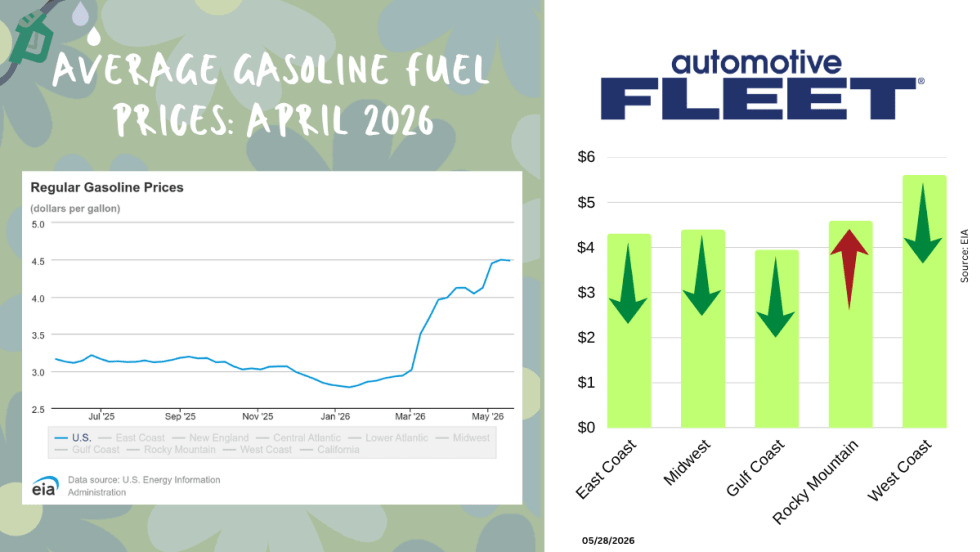
May Fuel Update: Prices Remain Steady with a Slight Decline
While prices have remained steady this week with a 1-cent decline, the next jump is anticipated just before Memorial Day.
Read More →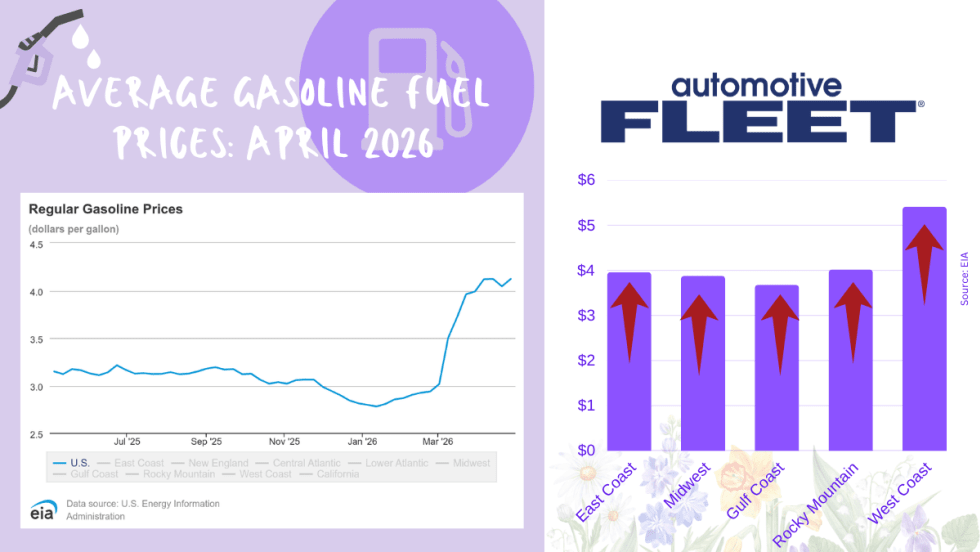
April Fuel Update: Prices Climb Above $4 as Spring Surge Accelerates
National average jumps to $4.04 per gallon, up sharply from last year, with West Coast prices topping $5 and further increases expected amid rising oil tensions.
Read More →
Tips from Fleet Managers on Saving Fuel Costs
Fleet leaders share practical strategies to reduce fuel spend through smarter policy, routing, and driver guidance.
Read More →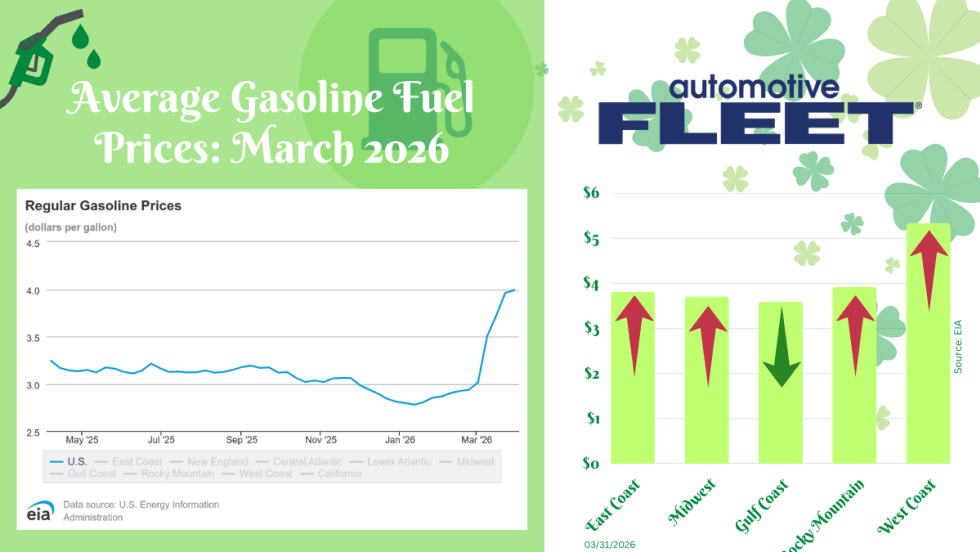
March Fuel Update: Prices Settle With a $4 Average
Fuel prices significantly slowed this week, but a $4 national average is still expected.
Read More →
Bob Adamsky on Fuel Volatility: “Don’t Panic — Have a Plan”
With oil prices rising again, AWP Safety’s fleet manager shares how to respond to rising fuel costs and how the right strategy can turn fuel spikes into cost-saving opportunities.
Read More →
Oil Market Turbulence Is Complicating Fleet Cost Planning
Rapid swings in crude oil prices driven by the conflict in the Middle East could create longer-term cost pressures for fleets, affecting fuel prices, supply chains, and vehicle strategy, says NTEA’s Andrew Wrobel.
Read More →
Report: How AI Is Reshaping Fleet and Field Service Operations
AI is rapidly transforming fleet and field service operations, from predictive maintenance and intelligent scheduling to customer self-service and real-time diagnostics. But while organizations are seeing measurable gains in uptime, productivity, and efficiency, many are still navigating workforce adoption, cybersecurity concerns, and data readiness challenges. Explore the latest trends, investment priorities, and emerging AI use cases shaping the future of fleet operations.
Read More →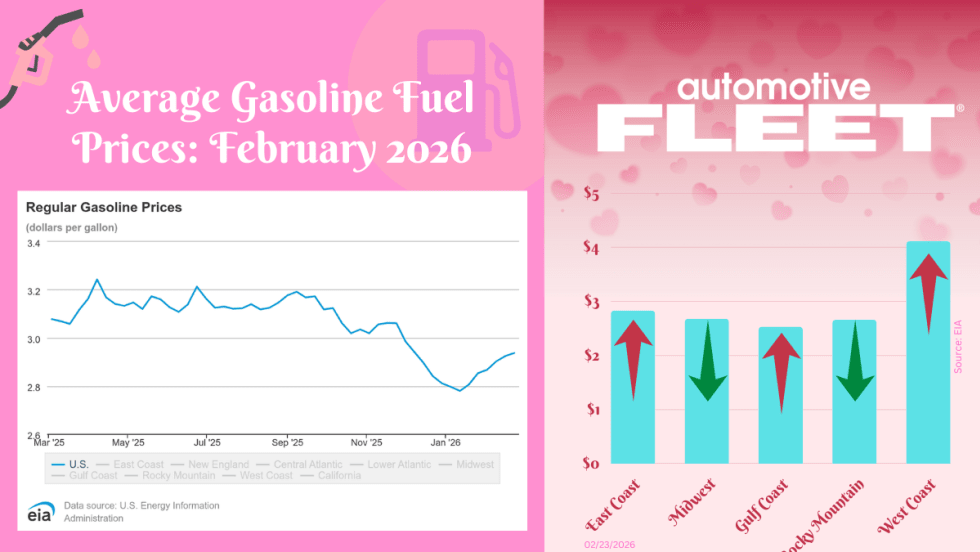
February Fuel Update: Prices Inch Higher for Third Week in a Row
The final February fuel update reveals prices continuing to inch higher for the third week in a row.
Read More →
The 2026 Fuel Economy Guide: Updated Cost and Efficiency Benchmarks for Fleets
Fleet managers can use the DOE’s 2026 Fuel Economy Guide to benchmark MPG across powertrain types using side-by-side vehicle ratings and compare new model-year options.
Read More →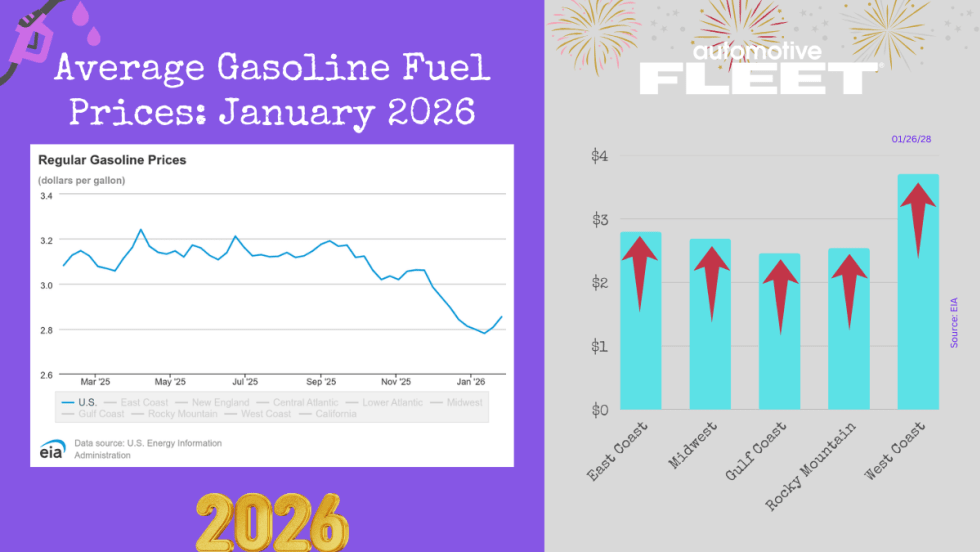
January Fuel Update: Prices Hit Highest Level Since Summer
The national average for fuel prices has officially risen to its highest point since the summer.
Read More →