




Obama Orders Higher Fuel Standards for Trucks
President Barack Obama will direct federal agencies on February 18 to develop higher fuel economy standards for medium- and heavy-duty trucks over the next two years by March of 2016.

OBAMA

OBAMA
Federal standards for medium- and heavy-duty trucks will be raised over the next two years in an effort to reduce oil consumption and carbon emissions, President Barack Obama announced Tuesday.
Obama appeared at a Safeway grocery store in Upper Marlboro, Md., on Tuesday morning to make the announcement. A fact sheet outlining the move was posted on the White House Website.
Using an executive order, Obama will direct the Environmental Protection Agency and Department of Transportation to develop new rules for medium- and heavy-duty vehicles by March 2016. The standards would cover vehicles weighing more than 8,500 pounds.
The new standards will build on standards for medium- and heavy-duty vehicles imposed on 2014-18 model-year vehicles imposed in 2011. The new standards will result in huge savings in fuel costs to fleet operators, according to the fact sheet.
Obama cited Aramark, Coca-Cola, Staples, UPS, AT&T, Enterprise Holdings, and Waste Partners as examples of corporate fleets that have reduced diesel and gasoline use by incorporating alternative fuels, electric vehicles, and other fuel-saving measures. To date, 23 major companies have joined the National Clean Fleets Partnership.
"The President has directed his Department of Energy to provide each company that wants to partner with specialized resources, technical expertise and support in developing a comprehensive strategy to reduce fuel use and achieve greater efficiency and cost savings," according to the fact sheet.
The Department of Energy has partnered with Cummins, Volvo, Navistar, and Daimler Truck North America (makers of Freightliner) to increase engine efficiency and overall fuel economy from about 6.5 miles per gallon to about 9.75 miles per gallon.
Cummins endorsed the new standards as a way to help fleets save on fuel costs, according to a statement.
"The first phase of these regulations provides a strong foundation that recognizes the needs of business while offering clear direction to create innovative technologies," said Rich Freeland, a vice president and president of the company's engine business. "With the announcement today, it is clear that the government will again take a collaborative approach."
Since 2010, SuperTruck partners Cummins and PACCAR's Peterbilt Motors Company have demonstrated a 20 percent increase in engine efficiency and a 70 percent increase in freight efficiency, reaching over 10 miles per gallon under real world driving conditions on a Class 8 tractor-trailer.
The Diesel Technology Forum said the initiative establishes new challenges that would pave the way for increased reliance on clean-diesel technology.
"Today's announcement sets up the next challenge for clean diesel technology to further improve fuel efficiency and reduce greenhouse gas emissions from commercial vehicles including medium and heavy duty trucks and buses," said Allen Schaeffer, the forum's executive director.
Right now, 2.86 million of the 8.8 million heavy duty trucks in the U.S. (32.5 percent) meet the first-generation clean diesel standards for model year 2007 engines. Of all trucks on the road today, 1.29 million (14.7%) meet the even more stringent clean diesel standards for 2010 and later model year engines, Schaeffer said.
Related:
Obama Energy Trust Would Fund Alternative Vehicle Technologies
More Fuel
Fuel Prices Surge in September | September Fuel Update
September brought major fuel price swings, including diesel crossing $6 a gallon. Here’s how gas and diesel prices changed throughout the month, and where they stood heading into October.
Read More →
Turning Fleet Payment Data into Executive Insights
Ramel Lindsay of U.S. Bank Voyager discusses how fleets can transform payment and transaction data into actionable intelligence to reduce costs, improve oversight, and support executive decision-making.
Read More →
Why the IRS Raised Its Mileage Rate in the Middle of 2026
Fuel-price volatility drove the rare increase to 76 cents per mile, the fifth midyear adjustment since 2000.
Read More →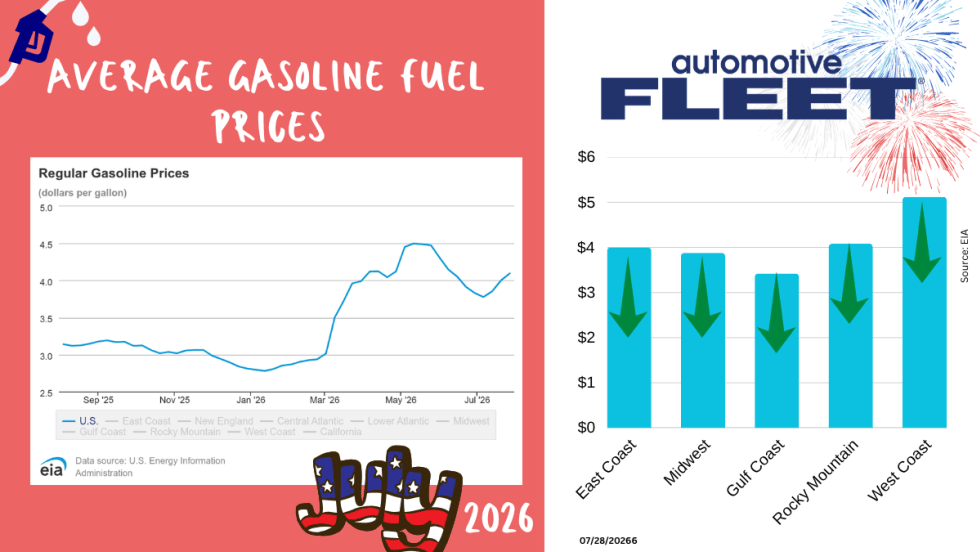
July Fuel Update: Prices Keep Rising in Light of More Conflict
Gas prices continue to rise as more and more conflicts do, too.
Read More →
Bob Adamsky on Fuel Volatility: "Don't Panic, Have a Plan."
When it comes to up and down fuel prices, Adamsky has a message for fleets: “Don’t panic.”
Read More →
How Fleets Can Gain Control of Non-Fuel Spend
Fuel often gets the spotlight, but non-fuel expenses can have a major impact on fleet costs. Ramel Lindsay of U.S. Bank Voyager discusses how fleets can gain better visibility and control over these often-overlooked expenditures.
Read More →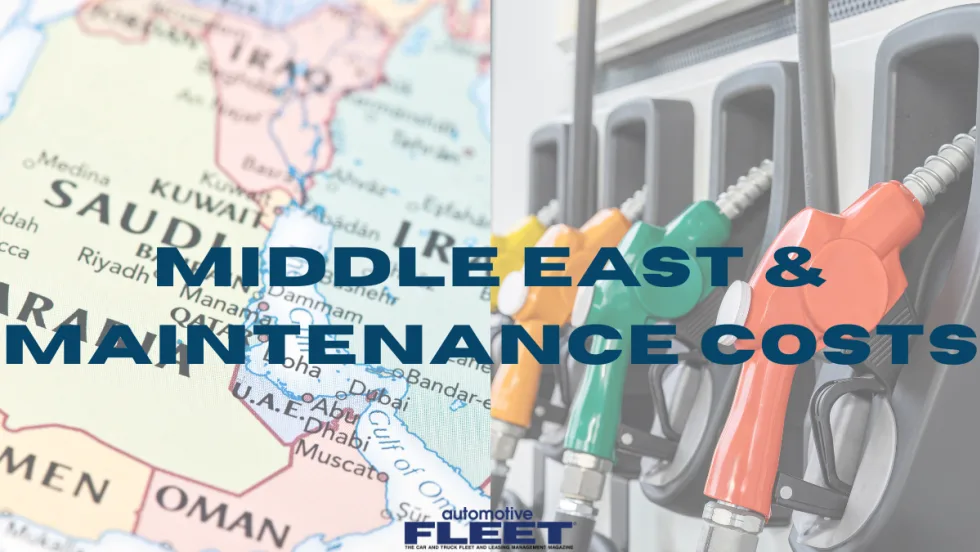
Fuel is Just the Start: How Middle East Tensions are Driving Up Fleet Maintenance Costs
The Middle East conflict is doing more than pushing up fuel prices. It’s also raising the cost of key maintenance products your fleet depends on, from motor oil to tires to windshield wipers. Here’s what you need to know about this budget-busting situation.
Read More →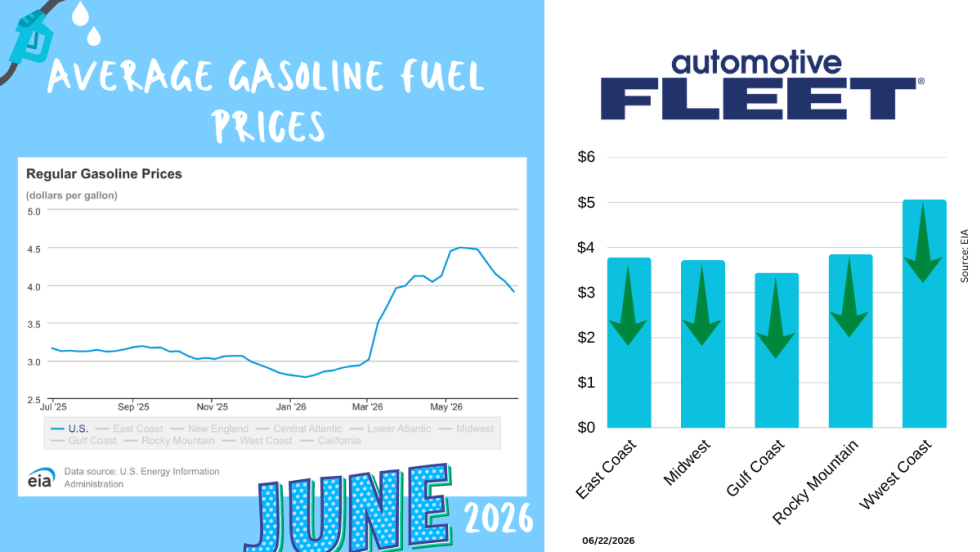
June Fuel Update: Prices Fall Below $4
Drivers are finally getting some relief at the pump. The national average gas price has dropped below $4 a gallon for the first time in months, with prices falling in 47 states as oil markets react to developments in U.S.-Iran negotiations.
Read More →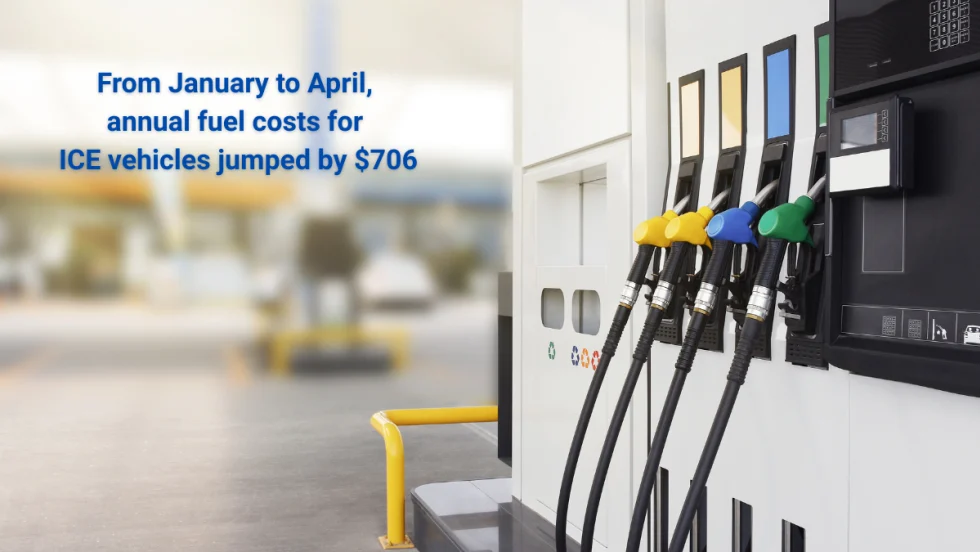
Study: How 2026's Gas Price Hikes Affect Different Vehicle Types
New data from iSeeCars reveals how rising fuel costs have affected different vehicle segments as gasoline prices climbed nearly 46% over the past four months.
Read More →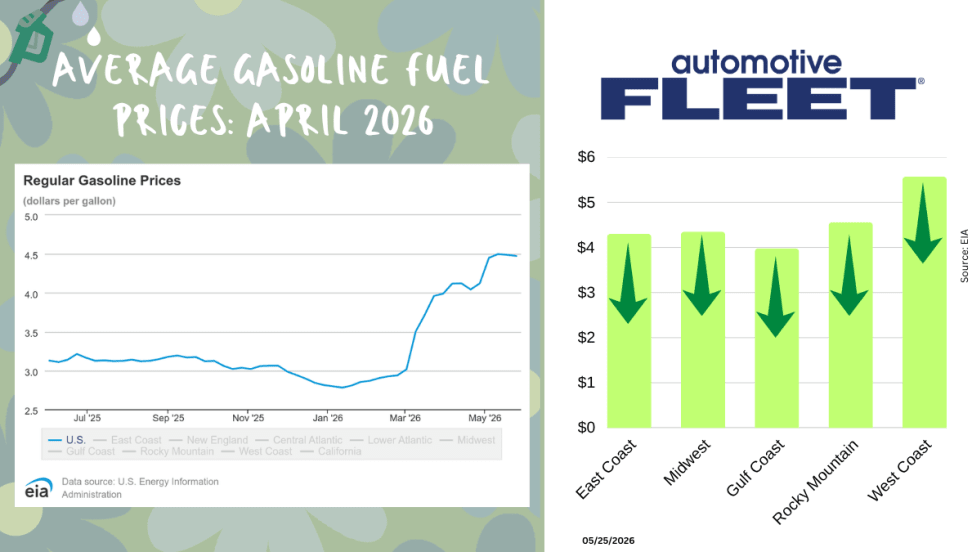
May Fuel Update: All Regions Experience Declines
Gas prices are finally easing in much of the country, but experts warn global tensions could quickly reverse the trend as the national average remains well above last month’s levels.
Read More →