




Nissan Unveils Electric, Hybrid Test Cars
TOKYO, JAPAN --- Nissan Motor Co. Ltd. last week unveiled all-electric and original hybrid electric prototype vehicles, both powered by advanced lithium-ion batteries.
TOKYO, JAPAN --- Nissan Motor Co. Ltd. last week unveiled all-electric and original hybrid electric prototype vehicles, both powered by advanced lithium-ion batteries.
Nissan has plans to introduce an all-electric vehicle in 2010 and mass market globally in 2012.
Powered by advanced lithium-ion batteries, Nissan's EV prototype is part of the company's research and development program on zero-emission vehicles. This latest generation vehicle features a front-wheel drive layout and uses a newly developed 80kW motor and inverter. The advanced laminated compact lithium-ion batteries are installed under the floor, without sacrificing either cabin or cargo space, the company said.
The production vehicle planned for 2010 will have a unique body style and is not based on any existing Nissan model.
The Nissan original Hybrid Electric Vehicle (HEV) delivers two new technologies -- a high-performance rear-wheel drive hybrid system and parallel-powertrain hybrid system. The hybrid employs Nissan's own hybrid technology and its first rear-wheel drive hybrid powertrain.
The parallel-powertrain system comprises an energy-optimizing system with two clutches, where one motor is directly connected to an engine and transmission via two separate clutches. Under changing driving conditions, the motor switches between the two clutches to optimize and conserve energy use as well as improve fuel-efficiency, Nissan said.
The parallel-powertrain hybrid system eliminates the need for conventional torque converters, contributing to higher responsiveness and linear acceleration for improved driving feel.
The dynamic characteristics of the clutches are as follows:
-- Idle-stop: The battery is used to power the motor to save on fuel.
-- Regular driving: The engine is used to power the motor as well as regenerate the battery.
-- Acceleration: Both the engine and battery (power assist) are used to power the motor to achieve smooth acceleration.
-- Deceleration: Energy from braking is conserved and re-routed back to regenerate the battery.
The advanced lithium-ion batteries used in both prototypes come from the Nissan-NEC joint-venture, AESC (Automotive Energy Supply Corp.). The battery's compact laminated configuration delivers twice the electric power compared to conventional nickel-metal hydride batteries with a cylindrical configuration. The compact batteries also allow for improved vehicle packaging and a wide range of applications, Nissan said.
Nissan has a long history in electric vehicle development. The company introduced the first EV "Tama Electric Vehicle" back in 1947. Nissan unveiled the world’s first application of lithium-ion batteries to the Prarie Joy EV in 1996, followed by the ultra-compact Hypermini, released in 2000. Nissan also introduced its first original hybrid vehicle Tino Hybrid back in 1999 in Japan. In 2006, the Altima Hybrid was introduced in North America using licensed technology.
Under the Nissan Green Program 2010 environmental plan, the company aims to develop new technologies, products and services that can lead to CO2 emission reductions, cleaner emissions, and recycling of resources.
Nissan said it continues to invest in a wide range of technologies including CVT (continuously variable transmission), VVEL (variable valve event and lift), clean diesels, biofuels and fuel cell vehicles.
More Green Fleet
EV Charging Use Is Outpacing Infrastructure Growth
ChargePoint’s 2026 Charging Forward Report points to rising charger use, higher-powered charging, commercial vehicle electrification, and energy-management technology. Here’s what fleets should know.
Read More →
Merchants Fleet Reports 290M EV Miles as Fleets Navigate Changing Electrification Market
From millions in operating savings to hundreds of millions of EV miles, Merchants Fleet’s latest report reveals what’s working and what’s changing in fleet electrification.
Read More →
The EV Breakdown Nobody's Talking About: Why Most Electric Vehicle Roadside Calls Aren't Mechanical Failures
Here's why EV breakdowns are widely misunderstood.
Read More →
ChargePoint Now Available in Energy Pass
ChargePoint and additional planned charging network integrations were added to GM's Energy Pass.
Read More →
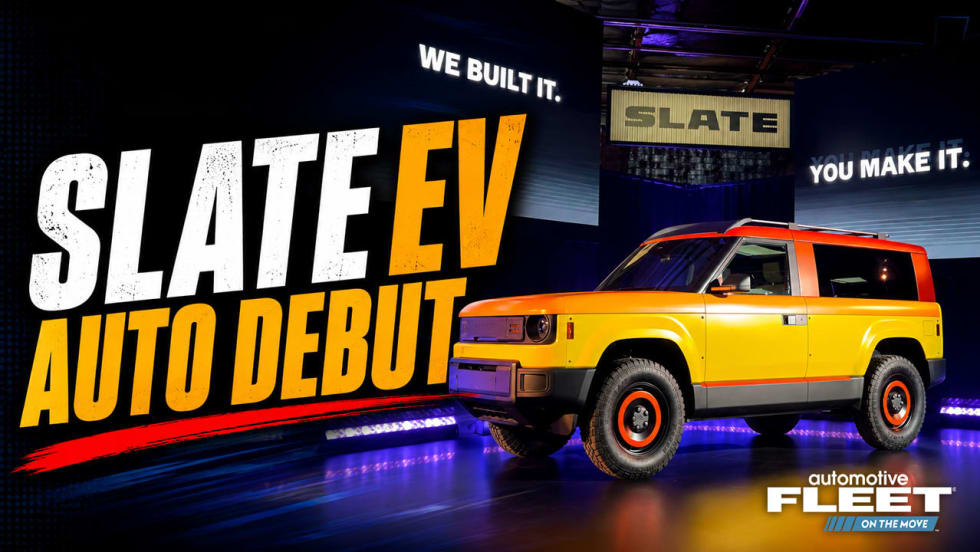
First Look: Slate Auto's Electric Fleet Pickup
Could an affordable, modular EV pickup make electrification more practical for fleets?
Read More →
Slate Debuts Colorful, Unique EV Models
A recent media and client event, studded with electric vehicles dressed up on platforms, planted a new position for the manufacturer in the wider EV market. Fleets will find cost-saving advantages.
Read More →
Slate Electric SUV, Pickup Switchable Model Aims For Light-Duty Fleets
Everything about this EV is counterintuitive and understated, making it stand out from the crowd.
Read More →
Inspiration Mobility Acquires Key Electrada Assets
Inspiration Mobility Group has acquired select assets of Electrada, adding the fleet electrification provider's team, technology, and charging infrastructure development capabilities to its energy management business.
Read More →
Turning Connected Vehicle Data Into Decisions That Matter
Fleet leaders have more data than ever, but turning that data into clear, actionable decisions remains a challenge. This white paper shows how leading organizations are using connected vehicle data to improve safety, reduce costs, and optimize fleet performance. Learn how to turn insight into action across your fleet.
Read More →