




Nissan Unveils Electric, Hybrid Test Cars
TOKYO, JAPAN --- Nissan Motor Co. Ltd. last week unveiled all-electric and original hybrid electric prototype vehicles, both powered by advanced lithium-ion batteries.
TOKYO, JAPAN --- Nissan Motor Co. Ltd. last week unveiled all-electric and original hybrid electric prototype vehicles, both powered by advanced lithium-ion batteries.
Nissan has plans to introduce an all-electric vehicle in 2010 and mass market globally in 2012.
Powered by advanced lithium-ion batteries, Nissan's EV prototype is part of the company's research and development program on zero-emission vehicles. This latest generation vehicle features a front-wheel drive layout and uses a newly developed 80kW motor and inverter. The advanced laminated compact lithium-ion batteries are installed under the floor, without sacrificing either cabin or cargo space, the company said.
The production vehicle planned for 2010 will have a unique body style and is not based on any existing Nissan model.
The Nissan original Hybrid Electric Vehicle (HEV) delivers two new technologies -- a high-performance rear-wheel drive hybrid system and parallel-powertrain hybrid system. The hybrid employs Nissan's own hybrid technology and its first rear-wheel drive hybrid powertrain.
The parallel-powertrain system comprises an energy-optimizing system with two clutches, where one motor is directly connected to an engine and transmission via two separate clutches. Under changing driving conditions, the motor switches between the two clutches to optimize and conserve energy use as well as improve fuel-efficiency, Nissan said.
The parallel-powertrain hybrid system eliminates the need for conventional torque converters, contributing to higher responsiveness and linear acceleration for improved driving feel.
The dynamic characteristics of the clutches are as follows:
-- Idle-stop: The battery is used to power the motor to save on fuel.
-- Regular driving: The engine is used to power the motor as well as regenerate the battery.
-- Acceleration: Both the engine and battery (power assist) are used to power the motor to achieve smooth acceleration.
-- Deceleration: Energy from braking is conserved and re-routed back to regenerate the battery.
The advanced lithium-ion batteries used in both prototypes come from the Nissan-NEC joint-venture, AESC (Automotive Energy Supply Corp.). The battery's compact laminated configuration delivers twice the electric power compared to conventional nickel-metal hydride batteries with a cylindrical configuration. The compact batteries also allow for improved vehicle packaging and a wide range of applications, Nissan said.
Nissan has a long history in electric vehicle development. The company introduced the first EV "Tama Electric Vehicle" back in 1947. Nissan unveiled the world’s first application of lithium-ion batteries to the Prarie Joy EV in 1996, followed by the ultra-compact Hypermini, released in 2000. Nissan also introduced its first original hybrid vehicle Tino Hybrid back in 1999 in Japan. In 2006, the Altima Hybrid was introduced in North America using licensed technology.
Under the Nissan Green Program 2010 environmental plan, the company aims to develop new technologies, products and services that can lead to CO2 emission reductions, cleaner emissions, and recycling of resources.
Nissan said it continues to invest in a wide range of technologies including CVT (continuously variable transmission), VVEL (variable valve event and lift), clean diesels, biofuels and fuel cell vehicles.
More Fuel

Turning Fleet Payment Data into Executive Insights
Ramel Lindsay of U.S. Bank Voyager discusses how fleets can transform payment and transaction data into actionable intelligence to reduce costs, improve oversight, and support executive decision-making.
Read More →
Why the IRS Raised Its Mileage Rate in the Middle of 2026
Fuel-price volatility drove the rare increase to 76 cents per mile, the fifth midyear adjustment since 2000.
Read More →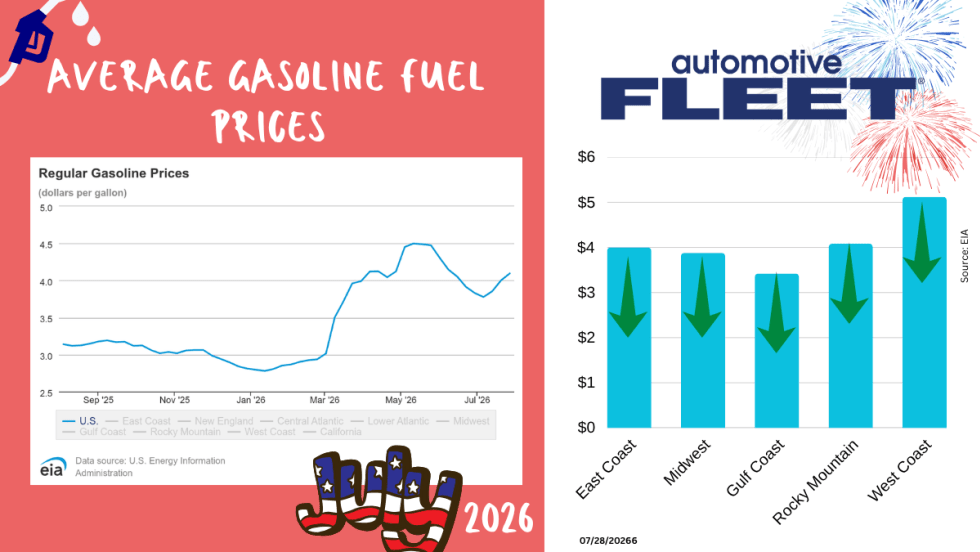
July Fuel Update: Prices Keep Rising in Light of More Conflict
Gas prices continue to rise as more and more conflicts do, too.
Read More →
Bob Adamsky on Fuel Volatility: "Don't Panic, Have a Plan."
When it comes to up and down fuel prices, Adamsky has a message for fleets: “Don’t panic.”
Read More →
How Fleets Can Gain Control of Non-Fuel Spend
Fuel often gets the spotlight, but non-fuel expenses can have a major impact on fleet costs. Ramel Lindsay of U.S. Bank Voyager discusses how fleets can gain better visibility and control over these often-overlooked expenditures.
Read More →
Fuel is Just the Start: How Middle East Tensions are Driving Up Fleet Maintenance Costs
The Middle East conflict is doing more than pushing up fuel prices. It’s also raising the cost of key maintenance products your fleet depends on, from motor oil to tires to windshield wipers. Here’s what you need to know about this budget-busting situation.
Read More →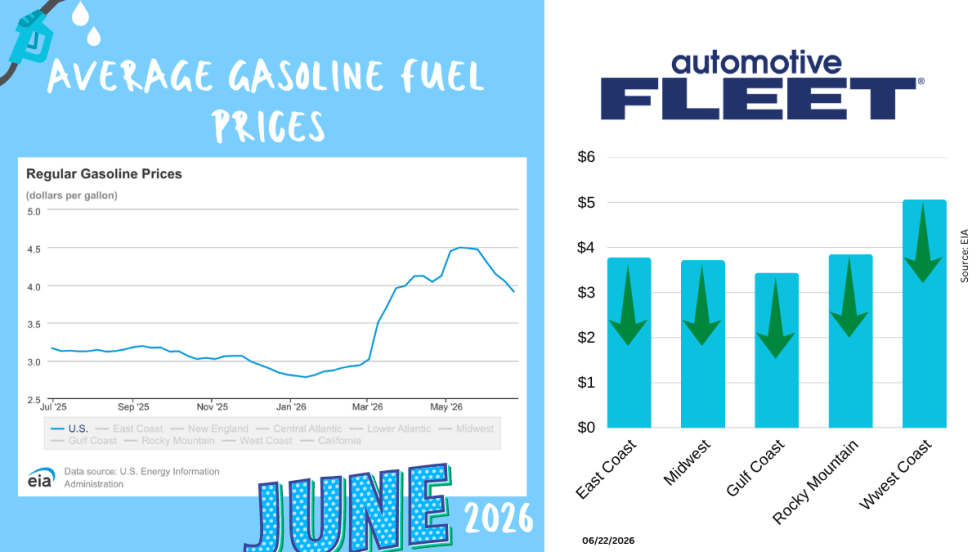
June Fuel Update: Prices Fall Below $4
Drivers are finally getting some relief at the pump. The national average gas price has dropped below $4 a gallon for the first time in months, with prices falling in 47 states as oil markets react to developments in U.S.-Iran negotiations.
Read More →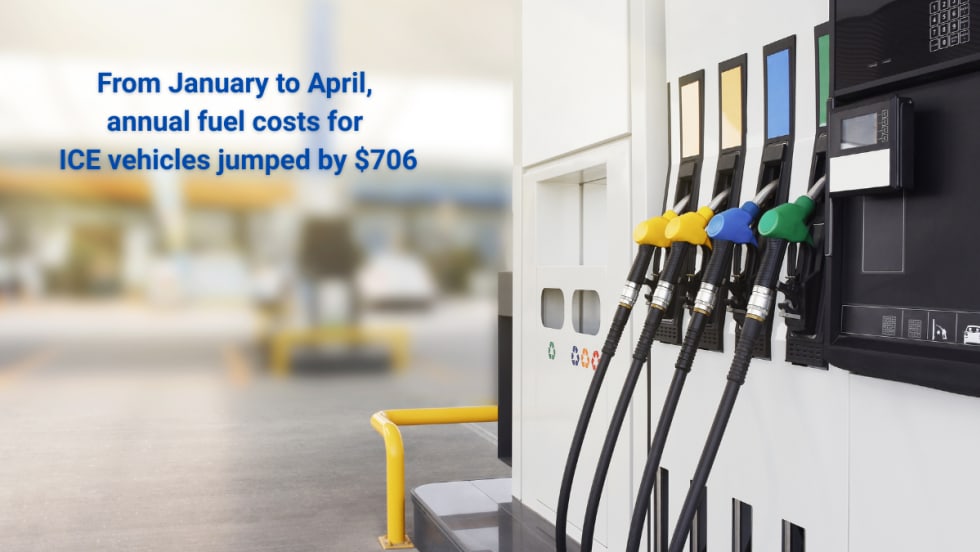
Study: How 2026's Gas Price Hikes Affect Different Vehicle Types
New data from iSeeCars reveals how rising fuel costs have affected different vehicle segments as gasoline prices climbed nearly 46% over the past four months.
Read More →
Are You Tracking Your Fleet's True Total Cost of Ownership?
Bobit Business Media surveyed 190 fleet professionals and found that while most fleets are tracking costs, fragmented systems and data gaps are keeping true TCO visibility out of reach. With rising pressure to control spend in an increasingly volatile environment, the gap between what fleets think they know and what the data actually shows is wider than you might expect. See how your peers are managing costs today and where the industry still has room to improve.
Read More →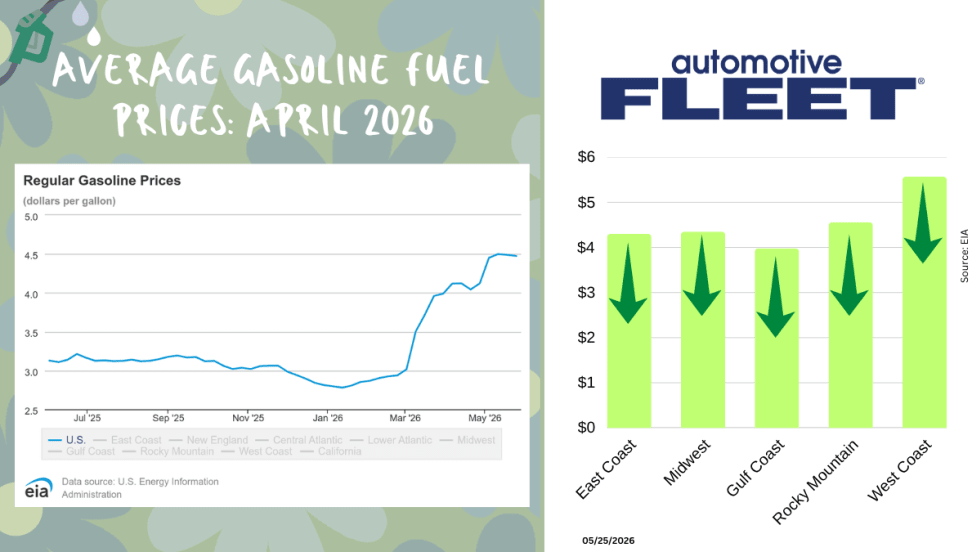
May Fuel Update: All Regions Experience Declines
Gas prices are finally easing in much of the country, but experts warn global tensions could quickly reverse the trend as the national average remains well above last month’s levels.
Read More →