




Nissan-NEC Joint Venture Developing Lithium-Ion Batteries
TOKYO --- Automotive Energy Supply Corp. (AESC) announced it has begun full operations, focusing on the development and mass production of advanced lithium-ion batteries for a wide range of automotive applications -- from hybrids, electric vehicles to fuel-cell vehicles.
TOKYO --- Automotive Energy Supply Corp. (AESC) announced it has begun full operations, focusing on the development and mass production of advanced lithium-ion batteries for a wide range of automotive applications -- from hybrids, electric vehicles to fuel-cell vehicles.
AESC is a joint venture of Nissan Motor Co., NEC Corp. and its subsidiary NEC TOKIN Corp.
With an initial start-up capital of 1.5 billion yen (US $14.3 million), the equity stakeholding between Nissan, NEC Corp. and NEC TOKIN Corp. stands at 51:42:7, respectively.
AESC will invest 12.0 billion yen (US $114.6 million) over a three-year period in a manufacturing facility to be located at Nissan's Zama facility in Kanagawa Prefecture. The facility is expected to be operational by 2009. Production capacity will be at 65,000 units, with initial start-up capacity to begin at 13,000 units a year. Under the Invest Kanagawa scheme, AESC has submitted its application for a total investment of 13.4 billion yen (US $128.0 million) and expects to be granted an incentive package.
To support AESC’s production demand, NEC TOKIN will invest 11.0 billion yen (US $105.1 million) over the next three years at its NEC Sagamihara Plant in Kanagawa Prefecture, to mass produce lithium-manganese electrodes by 2009.
AESC will market its battery products to potential customers in the automotive industry worldwide.
"Nissan firmly believes the ultimate solution for sustainable mobility lies in zero-emission vehicles. Electric vehicles represent one clear strategic direction embedded in Nissan GT 2012, our new mid-term business plan," said Carlos Tavares, executive vice president of Nissan.
"NEC's expertise in developing safe and low-cost lithium-manganese batteries combined with NEC TOKIN's strength in electrode-material technology and production will contribute significantly to AESC's competitiveness. By promoting AESC's batteries for wide-scale vehicle application, NEC is doing our part for the global environment by contributing to help reduce CO2 emissions," said Konosuke Kashima, executive vice president of NEC.
The first commercial application for AESC's li-ion batteries is destined for forklifts for small business operators in 2009. This will be followed by Nissan's electric vehicle, to be introduced in the U.S. and Japan, as well as Nissan's original hybrid vehicle in 2010. By 2012, Nissan has announced its plans to mass-market electric vehicles to consumers globally, which will boost demand for batteries significantly.
More Fuel
Fuel Prices Surge in September | September Fuel Update
September brought major fuel price swings, including diesel crossing $6 a gallon. Here’s how gas and diesel prices changed throughout the month, and where they stood heading into October.
Read More →
Turning Fleet Payment Data into Executive Insights
Ramel Lindsay of U.S. Bank Voyager discusses how fleets can transform payment and transaction data into actionable intelligence to reduce costs, improve oversight, and support executive decision-making.
Read More →
Why the IRS Raised Its Mileage Rate in the Middle of 2026
Fuel-price volatility drove the rare increase to 76 cents per mile, the fifth midyear adjustment since 2000.
Read More →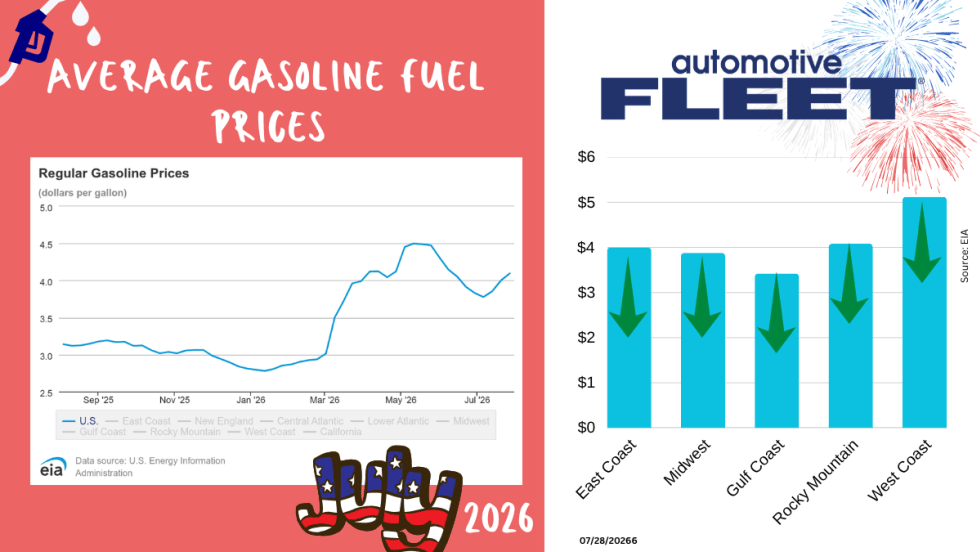
July Fuel Update: Prices Keep Rising in Light of More Conflict
Gas prices continue to rise as more and more conflicts do, too.
Read More →
Bob Adamsky on Fuel Volatility: "Don't Panic, Have a Plan."
When it comes to up and down fuel prices, Adamsky has a message for fleets: “Don’t panic.”
Read More →
How Fleets Can Gain Control of Non-Fuel Spend
Fuel often gets the spotlight, but non-fuel expenses can have a major impact on fleet costs. Ramel Lindsay of U.S. Bank Voyager discusses how fleets can gain better visibility and control over these often-overlooked expenditures.
Read More →
Fuel is Just the Start: How Middle East Tensions are Driving Up Fleet Maintenance Costs
The Middle East conflict is doing more than pushing up fuel prices. It’s also raising the cost of key maintenance products your fleet depends on, from motor oil to tires to windshield wipers. Here’s what you need to know about this budget-busting situation.
Read More →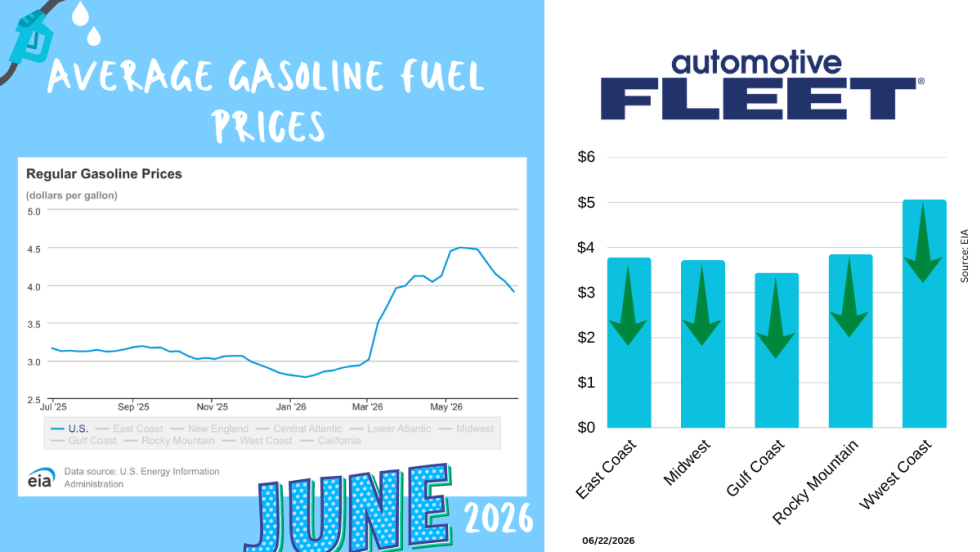
June Fuel Update: Prices Fall Below $4
Drivers are finally getting some relief at the pump. The national average gas price has dropped below $4 a gallon for the first time in months, with prices falling in 47 states as oil markets react to developments in U.S.-Iran negotiations.
Read More →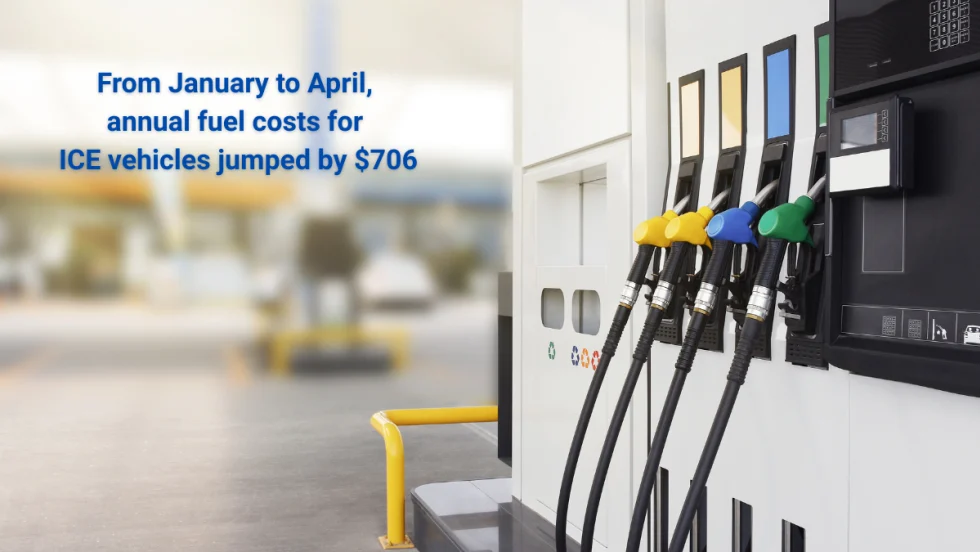
Study: How 2026's Gas Price Hikes Affect Different Vehicle Types
New data from iSeeCars reveals how rising fuel costs have affected different vehicle segments as gasoline prices climbed nearly 46% over the past four months.
Read More →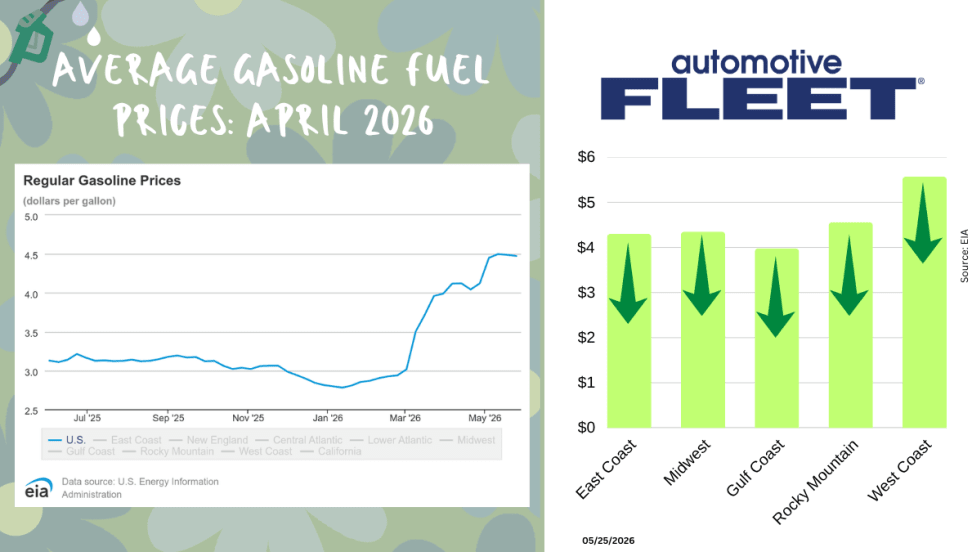
May Fuel Update: All Regions Experience Declines
Gas prices are finally easing in much of the country, but experts warn global tensions could quickly reverse the trend as the national average remains well above last month’s levels.
Read More →