




NICB Report Shows Technology Contributing to 7.2% Drop in Vehicle Thefts
DES PLAINES, IL- Older vehicles with fewer theft-deterrent devices were stolen more than newer models, according to the National Insurance Crime Bureau's findings.
DES PLAINES, IL – The National Insurance Crime Bureau (NICB) released its “Hot Wheels” vehicle theft report. Although the top vehicles stolen are older (model-years 1994 to 2004), a few details in the report stood out.
First, the report said preliminary 2010 FBI crime statistics indicate a further 7.2 percent drop in 2010 when compared with the number of thefts posted in 2009. The NICB said that if these numbers hold, vehicle thefts will be at their lowest rate since 1967. Second, the report showed an increase in thefts of domestic makes; with foreign makes taking up three slots in the top 10 list (Honda and Toyota had the top three slots).
The NICB stated that improved vehicle technology is one reason for lower theft rates in 2010. For example, in the top slot for the number of vehicles stolen was the Honda Accord. Out ofthe nearly 52,000 Honda Accords stolen in 2010, more than 44,000 of them were built in the 1990s, compared with fewer than 5,700 that were produced since the year 2000.
Technologies that the NICB cited as being effective theft deterrents were warning devices, vehicle immobilizing devices (engine “kill” switches, fuel cut-offs, and smart keys), and GPS-based tracking devices.
More Telematics
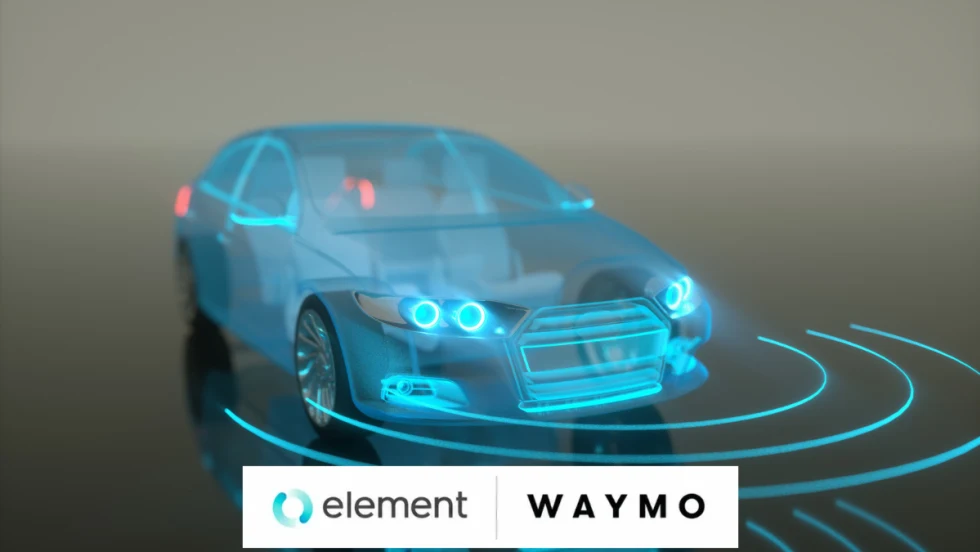
Element Expands Waymo Partnership to Support Toronto Robotaxi Fleet
As Waymo prepares to enter the Canadian market, Element Fleet Management will oversee the fleet operations supporting its planned Toronto launch. The partnership highlights the maintenance, charging, and infrastructure requirements behind operating autonomous vehicles at scale.
Read More →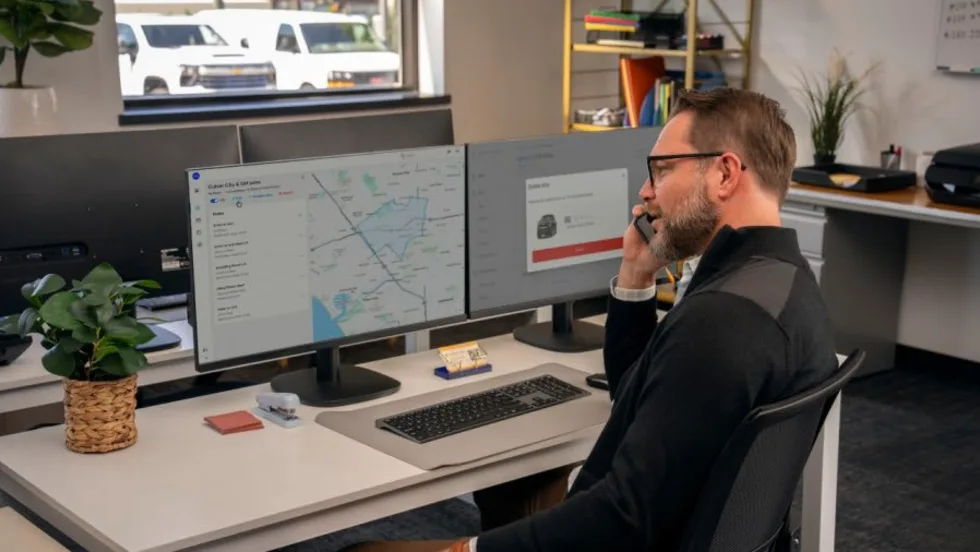
GM Launches OnStar Fleet Intelligence Platform With AI Assistant
The new platform brings vehicle data, order tracking, connected services and fleet analytics into one system, with an AI assistant that can answer fleet questions using natural-language prompts.
Read More →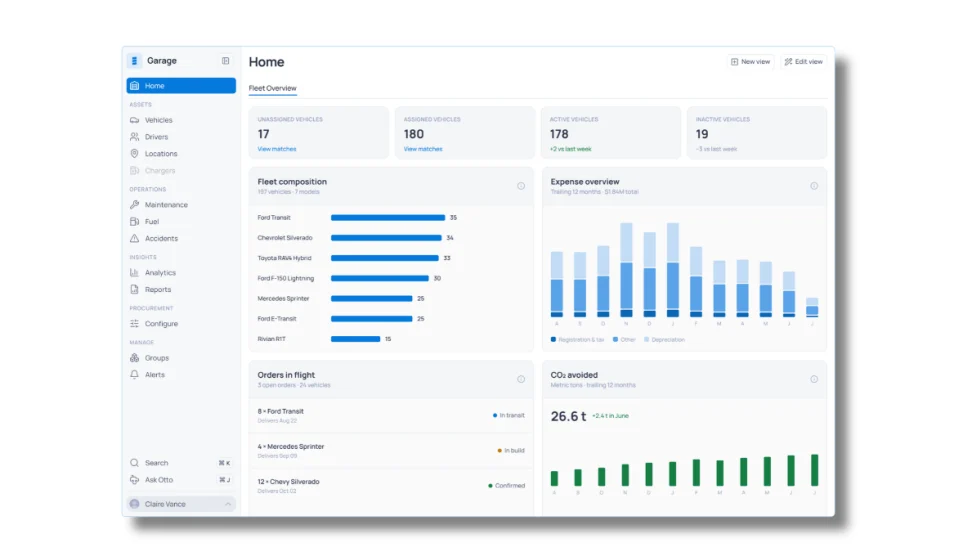
Inspiration Fleet Introduces Garage 2.0 Fleet Intelligence Platform
Fleet managers increasingly have access to data from vehicles, telematics, fuel, charging, and other systems, but those sources don't always communicate with one another. Inspiration Fleet's Garage 2.0 platform brings that information together while letting fleets keep working with different technology and service providers.
Read More →
Inside Inspiration Fleet’s New Platform for Connecting Fleet Data
Inspiration Fleet CTO Chris Getner explains how the new Garage 2.0 platform is designed to connect disparate fleet data and what that could mean for fleet managers in practice.
Read More →
Fleet Manager’s Ultimate Playbook: Navigating the New Standard in OEM Connectivity
Rising operating costs, driver safety concerns, and unplanned downtime are putting unprecedented pressure on modern fleets. Discover how fleet managers use embedded OEM connectivity and real-time vehicle data to cut TCO, prevent downtime, and protect drivers without aftermarket telematics hardware.
Read More →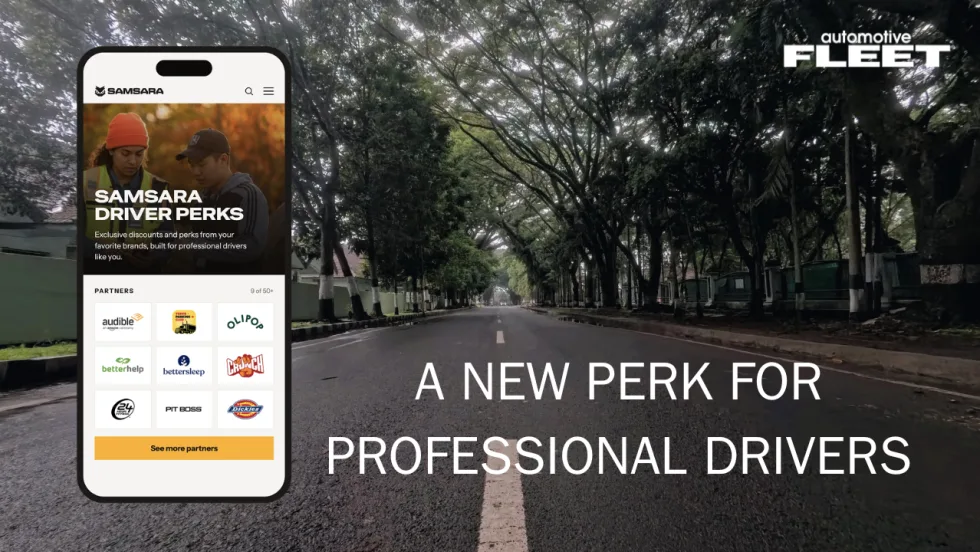
Samsara Driver Perks Adds New Benefit for Corporate Fleet Drivers
The rewards program gives eligible professional drivers access to discounts from more than 50 brands while giving fleets another way to support recruitment, retention, and the driver experience.
Read More →
Inside the Church of Jesus Christ of Latter-day Saints’ Two-Track Telematics Strategy
With 20,000 vehicles and two fundamentally different driver populations, the Church faced a fleet management problem that a single telematics program couldn't solve. How it responded offers a replicable framework for any fleet where one size doesn't fit every driver.
Read More →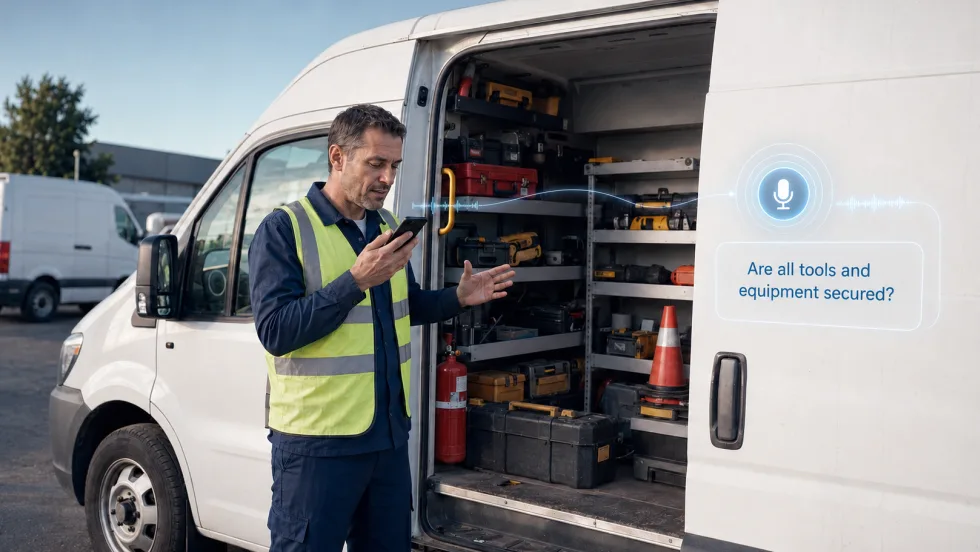
How Conversational AI Can Make Fleet Tasks Easier for Drivers
While most generative AI tools help fleet managers interpret data at their desks, Connex2X is applying voice interaction to tasks behind the wheel.
Read More →
Why Fleets Are Creating Dedicated Fleet Analyst Positions
Are fleet analyst positions the new norm? Listen here to find out.
Read More →
Teletrac Navman Begins Next Chapter as Standalone Private Company
What's new with Teletrac Navman and its new owner?
Read More →